


What You Need to Know About Foraging and Food Safety
In recent years, foraging has seen a dramatic resurgence, fueled by a desire to reconnect with nature, embrace sustainability, and enjoy ultra-local, seasonal ingredients. From wild berries and mushrooms to edible flowers and greens, foraging allows people to gather food straight from the land. But while the practice can be rewarding and nutritious, it also carries real risks if not done with care and knowledge. Understanding food safety when foraging is essential to protecting yourself and others from potential illness, or worse.
The Growing Appeal of Foraging
Foraging has long been a way of life for indigenous peoples and rural communities, but it has become popular again with urban dwellers, chefs, and health-conscious consumers. The appeal is multifaceted: foraged foods are free, often highly nutritious, and support a lifestyle rooted in environmental awareness. Additionally, wild ingredients like ramps, morel mushrooms, and elderberries are prized for their unique flavors and culinary value.
However, foraging is not as simple as grabbing whatever plant looks edible. Mistakes can be dangerous, even deadly, if safety isn’t prioritized.
Know What You’re Picking
The number one rule of foraging is this: If you are not 100% sure what a plant or mushroom is, do not eat it. Many toxic species closely resemble edible ones. For example:
- Poison hemlock looks like wild carrot (Queen Anne’s lace).
- Death cap mushrooms can resemble edible puffballs or straw mushrooms.
- False morels can be confused with true morels but contain hydrazine toxins that are potentially fatal.
This is why using a reliable field guide, foraging with an expert, or taking classes from a certified forager can be life-saving. Even seasoned foragers make mistakes, so identification must be approached with respect and care.
Avoid Polluted Areas
Foraged foods may be natural, but not all natural environments are clean. Plants and fungi absorb what’s in the soil, water, and air, meaning heavy metals, pesticides, or other pollutants can make their way into your harvest.
Avoid foraging in:
- Roadside ditches (due to exhaust residue and heavy metals)
- Industrial or urban lots (possible chemical contamination)
- Treated lawns or golf courses (likely sprayed with herbicides and pesticides)
- Near wastewater runoff or polluted streams
Instead, look for cleaner environments like state parks (where foraging is allowed), private land with permission, or known organic spaces. And when in doubt, walk away.
Practice Safe Harvesting and Handling
Once you’ve safely identified a plant or mushroom and ensured it’s growing in a clean location, proper harvesting techniques are also important. Follow these tips:
- Use clean tools and containers to gather food, avoiding plastic bags which can trap moisture and speed spoilage.
- Harvest sustainably by taking only what you need and leaving enough for the ecosystem to regenerate. Avoid uprooting entire plants.
- Avoid damaged or decaying specimens, which can harbor bacteria or toxins.
- Wash everything thoroughly once you get home, using cool water to remove dirt, insects, or surface pathogens.
Keep in mind that even edible plants can become unsafe if not handled properly. For example, wild greens like sorrel or lamb’s quarters are nutritious but can wilt and decay quickly if not stored correctly.
Understand Toxicity and Preparation Needs
Some edible plants and mushrooms are only safe to eat when prepared properly. Failing to do so can result in illness. For example:
- Pokeweed is toxic if not boiled and rinsed several times.
- Fiddlehead ferns (particularly ostrich ferns) must be cooked thoroughly to avoid foodborne illness.
- Acorns must be leached of tannins before consumption.
Always research the preparation method for any wild food before consuming it. Cooking can reduce or eliminate certain naturally occurring toxins and kill harmful microbes that may be present.
Special Considerations for Allergies and Sensitivities
Just because a plant is edible for most people doesn’t mean it’s safe for everyone. Wild foods can be allergenic, especially for those with pollen or latex allergies. For example, individuals allergic to ragweed may react to dandelion greens.
When trying a new foraged food:
- Eat only a small amount first.
- Wait 24 hours to ensure no reaction.
- Avoid combining with other new foods so you can identify the source of any symptoms.
Final Note
Foraging can be a fun, educational, and nutritious way to source food, but safety must be the top priority. Misidentification, contamination, and improper preparation can turn a healthful experience into a dangerous one.
If you’re new to foraging:
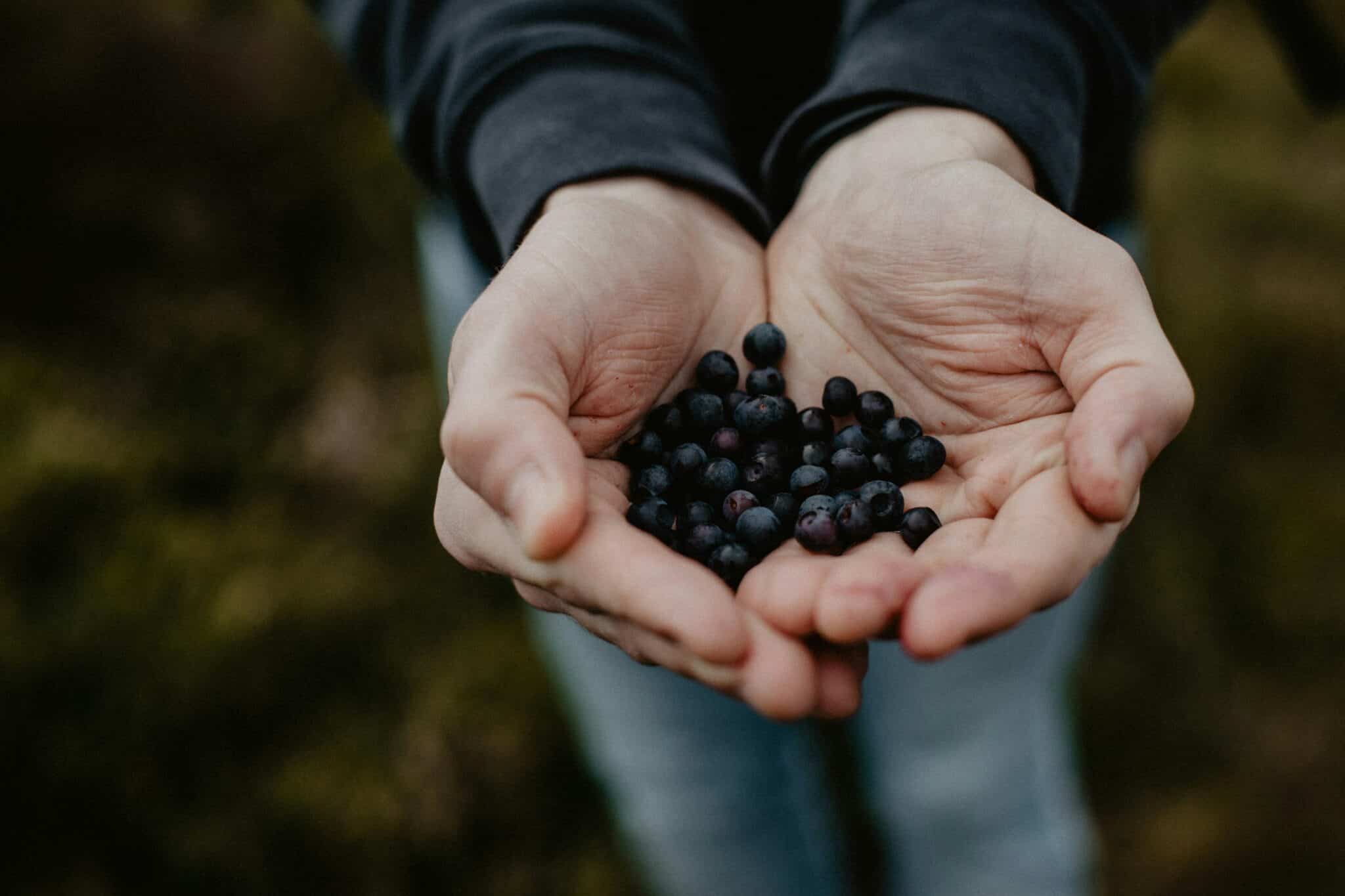
- Start with easily identifiable, low-risk foods like wild blueberries, blackberries, or dandelion greens.
- Never rely solely on photos from the internet, consult books and local experts.
- Teach children to never eat wild plants or mushrooms unless an adult confirms they are safe.
Ultimately, foraging done right connects us to nature, boosts food literacy, and promotes mindful eating. But done wrong, it can lead to serious health consequences. Respect the wild, and it will reward you.
