

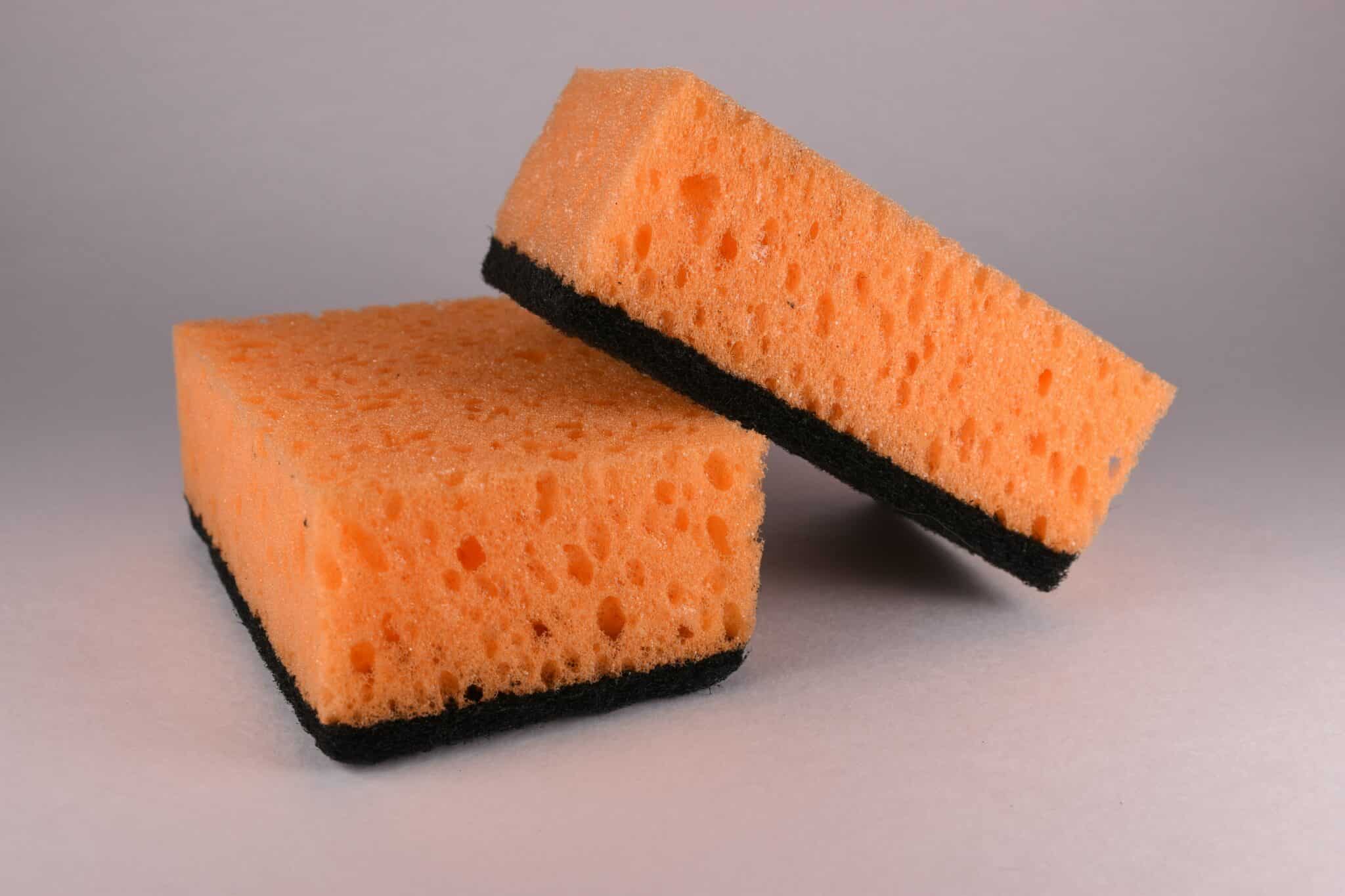

Why Your Dish Sponge Might Be the Dirtiest Thing in the House
In the war against germs, most people think of the bathroom as the dirtiest battleground in the house. But the real microbial mayhem is happening somewhere far more surprising: your kitchen sponge. That small, squishy tool we rely on to clean plates, wipe counters, and scrub away grease may actually be teeming with bacteria, some of it dangerous. In fact, numerous studies have shown that dish sponges can be dirtier than a toilet seat. So how did something meant to clean become a hotspot for contamination?
A Perfect Storm for Bacteria
Your kitchen sponge is the ideal breeding ground for microbes. It’s warm, moist, full of food particles, and porous, offering the perfect environment for bacteria to thrive. Each time you wipe up raw meat juices, rinse off dirty dishes, or clean a spill, you’re potentially introducing more microbes into the sponge.
While most bacteria found in sponges are harmless, some are not. Pathogens such as Salmonella, E. coli, Campylobacter, and Listeria have all been detected in household sponges. These organisms can cause foodborne illness, especially in people with weakened immune systems, the elderly, children, or pregnant individuals.
Scientific Evidence: It’s Not Just a Hunch
A 2017 study published in the journal Scientific Reports examined 14 used kitchen sponges collected from various households. The researchers used DNA sequencing to identify more than 360 different species of bacteria, with some sponges harboring densities of more than 54 billion bacterial cells per cubic centimeter. That’s more than the number of people on Earth, in just a drop of sponge.
One of the most concerning findings was the presence of Moraxella osloensis, a bacterium associated with foul smells and sometimes infections in humans. It’s the same type of bacteria that makes your sponge stink after a few days.
Another alarming discovery: cleaning or sanitizing methods like microwaving or boiling the sponge didn’t eliminate all bacteria. In fact, some harmful bacteria became more dominant after weak disinfection, much like antibiotic-resistant superbugs can thrive after a course of ineffective treatment.
Cross-Contamination: The Real Threat
The biggest danger from a dirty sponge isn’t just what lives inside it, it’s what it spreads. When you wipe your sponge across multiple surfaces, cutting boards, countertops, utensils, you may be transferring harmful bacteria from one place to another. If you then use that same sponge to clean a plate or drinking glass, you’re potentially contaminating items that go directly into your mouth.
Cross-contamination is a leading cause of foodborne illness outbreaks, especially when raw foods like poultry or eggs are involved. Your sponge, if mishandled, becomes a germ-distributing device.
Common Mistakes That Make It Worse
According to E. coli lawyer Ron Simon, “most people don’t intentionally nurture a sponge colony of bacteria, but common habits often make the problem worse – he went onto give examples:
- Keeping sponges too long: Many people use the same sponge for weeks or even months.
- Leaving sponges wet: A damp environment promotes rapid bacterial growth.
- Using sponges to wipe up raw meat juices: This introduces dangerous pathogens like Salmonella and Campylobacter.
- Using the same sponge for multiple purposes: Cleaning dishes, wiping counters, and scrubbing the sink, all with the same sponge, spreads bacteria.
- Improper sanitizing techniques: Microwaving, soaking in bleach, or dishwashing may reduce bacteria temporarily, but rarely sterilize the sponge completely.
How to Make Your Kitchen Safer
Fortunately, you don’t need to banish sponges entirely from your kitchen. You just need to use them wisely.
1. Replace Sponges Frequently: The USDA recommends replacing your kitchen sponge at least once a week, or more often if it starts to smell or show wear. When in doubt, throw it out.
2. Use Alternative Tools: Consider switching to dish brushes or silicone scrubbers, which dry faster and are easier to clean. These tools are less hospitable to bacterial growth than soft, porous sponges.
3. Avoid Cross-Contamination: Never use the same sponge to clean up after raw meat or eggs. Use disposable paper towels or designated cloths for high-risk messes, and sanitize those cloths in the laundry using hot water.
4. Let It Dry: Squeeze out excess water after each use and place the sponge in a well-ventilated area to dry. Bacteria multiply much more slowly in dry environments.
5. Sanitize, But Don’t Rely on It Alone: If you do sanitize your sponge, soak it in a bleach solution (¾ cup bleach per gallon of water for 5 minutes) or run it through a hot dishwasher cycle. Still, don’t expect this to make the sponge safe indefinitely.
Final Note
The humble dish sponge seems innocent, even helpful. But without proper care, it becomes a hidden health hazard, quietly spreading harmful bacteria across your kitchen and onto your food. Fortunately, with a few smart habits, frequent replacement, proper use, and safe cleaning techniques, you can take back control.
When it comes to food safety, it’s not just about what you eat. It’s also about how you clean up afterward. So the next time you reach for that sponge, ask yourself: is it cleaning your kitchen or contaminating it?
