
Close Menu
  • Food Poisoning
    • Symptoms
    • Prevention
    • Treatment
    • Causes
  • Pathogens
    • Botulism
    • Campylobacter
    • E. coli
    • Cyclospora
    • Norovirus
    • Hepatitis A
    • Salmonella
    • Listeria
    • Shigella
  • Food Safety
    • How to wash your hands
    • Food Safty And The Holidays
  • Legal
    • Can I sue for Food Poisoning?
    • E. coli Lawyer
      • E. coli Lawsuit
    • Salmonella Lawyer
      • Salmonella Lawsuit
    • Botulism Lawyer
    • Cyclospora Lawyer
    • Shigella Lawyer
    • Hepatitis A Lawyer
  • Outbreaks and Recalls
  • Connect With A Lawyer
What's Hot

Cyclospora Found by FDA at Taylor Farms in Mexico

October 4, 2026

The Hand That Spoils the Meal: Staphylococcal Toxin and the Limits of Cooking

September 30, 2026

FDA and CDC Investigate New E. Coli Outbreak Linked to Raw Milk Cheese: 13 Illnesses and 8 Hospitalizations So Far

September 28, 2026
Facebook X (Twitter) Instagram
Facebook X (Twitter) YouTube
  • About
  • Contact Us
Food Poisoning NewsFood Poisoning News
  • Home
  • Food Poisoning
    • What is Food Poisoning?
      • Symptoms
      • Causes
      • Prevention
      • Treatment
      • Statistics
    • Pathogens
      • Botulism
      • Campylobacter
      • E. coli
      • Hepatitis A
      • Shigella
      • Norovirus
      • Salmonella
      • Cyclospora
      • Listeria
  • Food Safety
    • How to wash your hands
    • Food Safty And The Holidays
  • Legal
    • Salmonella Lawyer
      • Salmonella Lawsuit
    • E. coli Lawyer
      • E. coli Lawsuit
    • Cyclospora Lawyer
    • Shigella Lawyer
    • Hepatitis A Lawyer
    • Botulism Lawyer
  • Outbreaks and Recalls
Food Poisoning NewsFood Poisoning News
Home»Featured»Frozen Doesn’t Mean Safe: The Misconceptions About Freezing Killing Pathogens
Frozen Doesn’t Mean Safe: The Misconceptions About Freezing Killing Pathogens
Featured

Frozen Doesn’t Mean Safe: The Misconceptions About Freezing Killing Pathogens

Kit RedwineBy Kit RedwineJuly 24, 2025No Comments2 Mins Read
Share
Facebook Twitter LinkedIn Pinterest Email Reddit

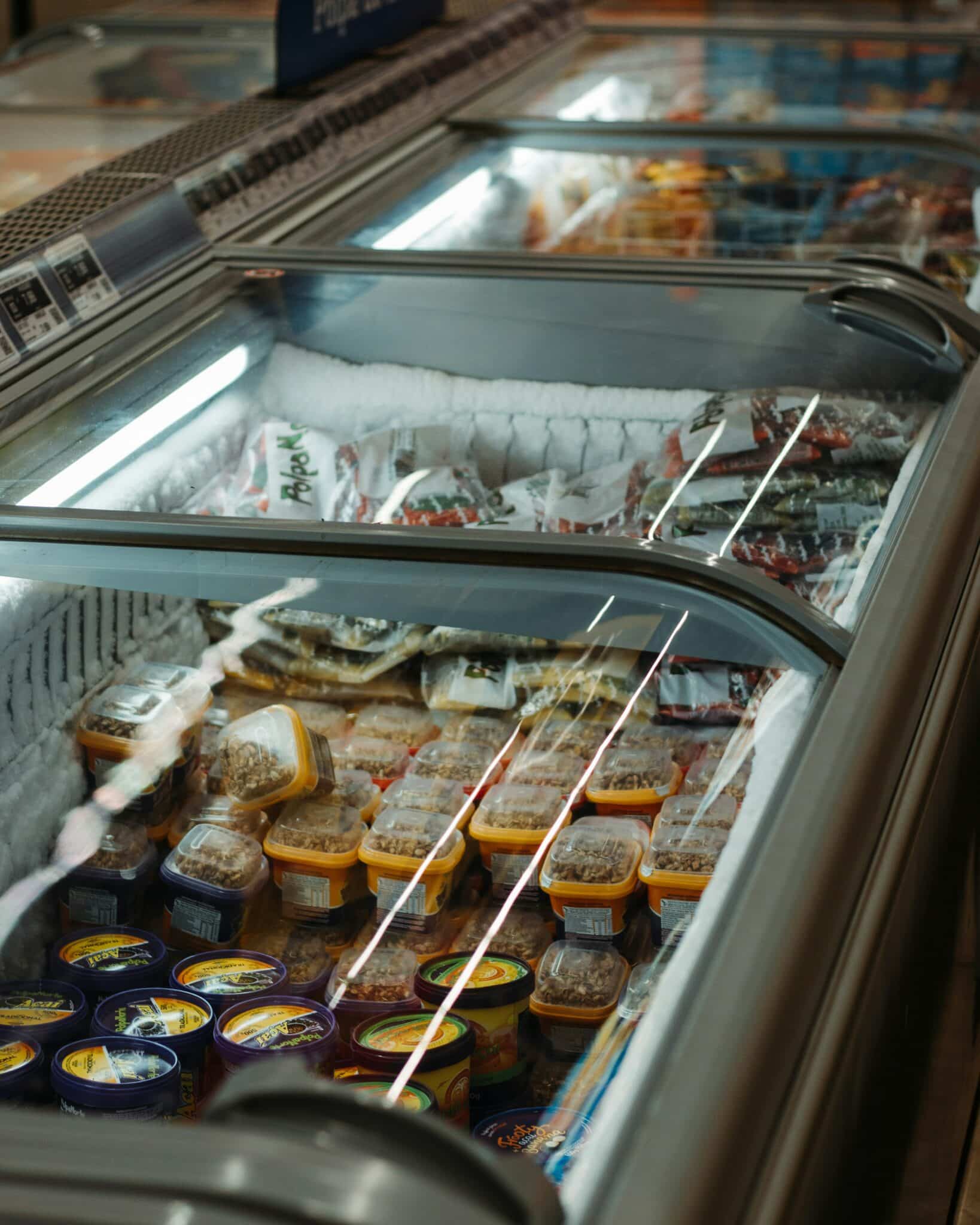
Food safety lore often elevates freezing as a universal pathogen killer, but scientific evidence reveals significant limitations. While freezing at 0°F (-18°C) halts microbial growth and preserves food safety indefinitely, it does not reliably eliminate harmful bacteria or parasites.  This gap between perception and reality carries public health implications, particularly concerning Listeria monocytogenes and parasites like Trichinella.  

Parasites: Variable Freezing Efficacy  

Trichinella spiralis, a parasite found in raw meat, illustrates freezing’s limitations. Government-supervised commercial freezing programs can destroy this parasite under strict conditions (-10°F for 10+ days), but standard home freezing cannot be relied upon for elimination.  Thorough cooking remains the only guaranteed method to kill parasites in meat and poultry. Freezing merely induces dormancy in microorganisms, which reactivate upon thawing and multiply if improperly handled.   

Bacterial Survivors: Listeria’s Resilience  

Listeria monocytogenes, a psychrotrophic pathogen, exhibits exceptional tolerance to freezing. Studies show that Listeria inoculated onto frozen vegetables declined by only 0.47–0.59 log CFU/g after 360 days at typical freezer temperatures (-18°C to -10°C), with no significant differences between strains or storage conditions.  This persistence is attributed to physiological adaptations:  

  • Cell membrane changes: Increased unsaturated fatty acids maintain membrane fluidity.   
  • Cryoprotectant uptake: Accumulation of glycine betaine and carnitine from the environment protects cells.   
  • Biofilm formation: Communities shielded by extracellular matrices resist stressors.   

These traits enable Listeria to survive in frozen ready-to-eat foods, posing risks to high-risk groups (pregnant women, immunocompromised individuals) if thawed improperly or consumed without cooking.   

Table: Pathogen Survival in Frozen Conditions  

PathogenReduction After 360 DaysKey Survival Mechanism
Listeria monocytogenesCryoprotectant uptake, biofilm formationCryoprotectant uptake, biofilm formation
Parasites (Trichinella)Variable (requires strict commercial protocols)Dormancy reactivation

Safety Guidelines  

  1. Thawing: Never thaw food at room temperature. Use refrigerators, cold water (changed every 30 minutes), or microwaves followed by immediate cooking.   
  2. Cooking: Heat frozen vegetables and ready-to-eat products to safe internal temperatures to inactivate pathogens. Blanching before freezing reduces, but does not eliminate, risks.   
  3. High-risk groups: Avoid consuming frozen fruits/vegetables without cooking, as recalls for Listeria and norovirus in these products persist despite industry controls.   

Freezing’s role is preservation, not sterilization. Leading nationwide Listeria law firm Ron Simon & Associates says that constant awareness in handling thawed foods remains critical to preventing foodborne illness. 

Share. Facebook Twitter Pinterest LinkedIn Tumblr Email
Avatar photo
Kit Redwine

Kit Redwine is a senior technology sales and media professional with over 20 years of experience and holds an MBA. He is skilled in technology sales, creative engagement, and building strategic relationships in multiple industries. His career is dedicated to helping organizations streamline complex project portfolios and improve workflows. He currently researches and writes weekly articles to inform and create awareness of food safety practices to help prevent foodborne illness caused by pathogens such as Salmonella, Listeria, and E. coli.

Related Posts

Cyclospora Found by FDA at Taylor Farms in Mexico

October 4, 2026

The Most Common Foodborne Illnesses in Fall and How to Prevent Them

September 20, 2026

FDA, CDC Declare End to Largest Cyclospora Outbreak in U.S. History: Nearly 13,000 Sickened, 570 Hospitalized, 2 Deaths

September 14, 2026

Frozen Berries and Foodborne Illness: A Recent Case in Which Blueberries in Publix Retailers Were Found to Be Contaminated with E. coli

September 9, 2026
Add A Comment
Leave A Reply Cancel Reply

Attorney Advertisement
Ron Simon

Subscribe to Updates

Get the latest food safety recall, outbreak, & investigation news.

Latest Posts

Cyclospora Found by FDA at Taylor Farms in Mexico

October 4, 2026

The Hand That Spoils the Meal: Staphylococcal Toxin and the Limits of Cooking

September 30, 2026

FDA and CDC Investigate New E. Coli Outbreak Linked to Raw Milk Cheese: 13 Illnesses and 8 Hospitalizations So Far

September 28, 2026

Food Poisoning News is a website devoted to providing you with the most current information on food safety, dangerous pathogens, food poisoning outbreaks and outbreak prevention, and food poisoning litigation.

We're social. Connect with us:

Facebook X (Twitter) YouTube
Latest Posts

Cyclospora Found by FDA at Taylor Farms in Mexico

October 4, 2026

The Hand That Spoils the Meal: Staphylococcal Toxin and the Limits of Cooking

September 30, 2026

FDA and CDC Investigate New E. Coli Outbreak Linked to Raw Milk Cheese: 13 Illnesses and 8 Hospitalizations So Far

September 28, 2026
Get Informed

Subscribe to Updates

Get the latest food safety recall, outbreak, & investigation news.

Facebook X (Twitter) YouTube
  • Home
  • About
  • Editorial Standards & Ethics Policy
  • Sourcing & Fact-Checking Policy
  • Corrections & Clarifications Policy
  • Our Authors
  • Medical Disclaimer
  • Legal Disclaimer & Attorney Advertising Notice
  • Privacy Policy
  • Terms of Use
  • Get In Touch
© 2026 Food Poisoning News. Sponsored by Ron Simon & Associates a Houston, TX law firm. Powered by ArmaVita.
Our website and content are for informational purposes only. Food Poisoning News does not provide legal advice, medical advice, diagnosis, or treatment.

Type above and press Enter to search. Press Esc to cancel.