


Fermented foods have experienced a surge in popularity thanks to their perceived health benefits and rich flavors. Homemade kombucha, kimchi, sauerkraut, and other probiotic-rich items have made their way into kitchens across the world. Many people are attracted to fermentation because it is seen as a natural and traditional method of preserving food while enhancing gut health. However, the process of fermentation requires precision, cleanliness, and knowledge. When done incorrectly, homemade fermented foods can lead to serious health consequences.
Fermentation is a controlled microbial process that relies on beneficial bacteria or yeast to convert sugars into acids or alcohol. This transformation preserves food and often introduces healthy microorganisms into the digestive system. Properly fermented foods like kombucha and kimchi can offer a range of health benefits, including improved digestion and immune support. However, if the process is disrupted or contaminated, dangerous bacteria and toxins can flourish instead of helpful microbes.
One of the most common issues with home fermentation is contamination. Fermentation relies on a delicate balance of microbes, time, temperature, and sanitation. If equipment is not thoroughly cleaned, or if unfiltered tap water containing chlorine or heavy metals is used, harmful bacteria can overpower the intended strains. Botulism, Listeria, and E. coli have all been linked to improperly fermented foods. These bacteria can grow in anaerobic environments like sealed jars, especially when salt concentrations or acidity levels are not monitored carefully.
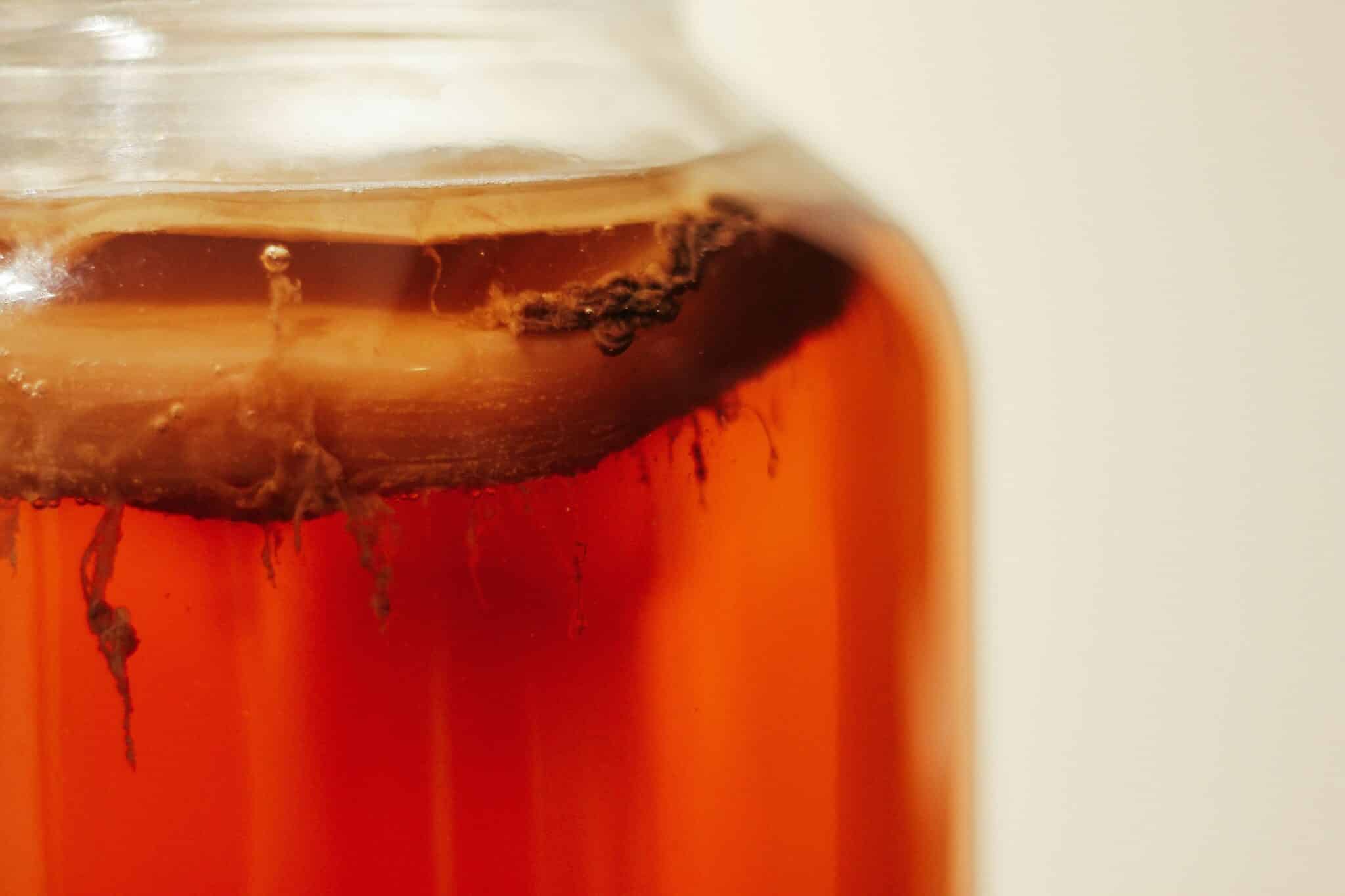
Kombucha, a popular fermented tea, involves a culture called a SCOBY (symbiotic culture of bacteria and yeast). This culture needs specific conditions to thrive safely. If a kombucha brew becomes too warm or is left to ferment too long, the pH levels can change, increasing the risk of contamination. Mold is also a frequent concern, especially for beginners who may not recognize the difference between normal yeast development and harmful fungal growth. Ingesting mold-contaminated kombucha can cause allergic reactions, respiratory problems, or digestive illness.
Kimchi, another beloved fermented food, is a staple in Korean cuisine and is made by fermenting vegetables with garlic, ginger, chili, and salt. The salinity and temperature must be carefully controlled. If too little salt is used, or if vegetables are not packed tightly enough, oxygen can enter the jar and allow dangerous bacteria to grow. There have been documented cases of foodborne illness from homemade kimchi, including infections from Salmonella and other harmful organisms.
One of the risks with fermented foods is that signs of spoilage are not always obvious. Because fermentation naturally changes a food’s smell, color, and texture, it can be difficult for an inexperienced person to tell if a batch has gone bad. Someone might assume that an off smell or flavor is normal when it is actually a sign of contamination. Taste testing a questionable product can lead to serious health consequences, even from a small amount.
Many people are not aware that fermented foods are considered potentially hazardous if not prepared correctly. The USDA and CDC have both issued warnings about home fermentation practices, especially those that do not involve proper temperature control or pH testing. Safety guidelines recommend using tested recipes, maintaining sanitation, and monitoring pH to ensure an acidic environment where pathogens cannot thrive. Jars should be stored in appropriate conditions, usually between 60 and 70 degrees Fahrenheit, and should never be reused without thorough sterilization.
There is also a false sense of safety when something is homemade. People tend to trust food they make themselves more than food from a restaurant or grocery store. However, home kitchens are often not equipped with the tools or knowledge needed to guarantee safe fermentation. This can lead to outbreaks of illness that are difficult to trace because the food is never sold or inspected by health authorities.
For those who enjoy making fermented foods at home, education is essential. Investing in pH strips, fermentation books by experts, and food-safe equipment can make a significant difference in preventing illness. Some health departments offer workshops or online resources to teach safe fermentation practices. When done properly, fermentation can be both rewarding and healthy. But the risks should never be overlooked.
Fermented foods have a long history of nourishing communities around the world. However, with that history comes generations of knowledge about how to safely preserve and prepare them. In modern kitchens, where shortcuts and improvisation are common, it is easy to make dangerous mistakes. Consumers should approach home fermentation with the same care and attention that they would give to canning or handling raw meat.
Understanding that fermentation is both an art and a science can help prevent foodborne illness. When conditions are not just right, kombucha or kimchi can become more than just unpleasant. They can become harmful. Safe practices ensure that these traditional foods continue to offer their many benefits without posing unnecessary risks.
