

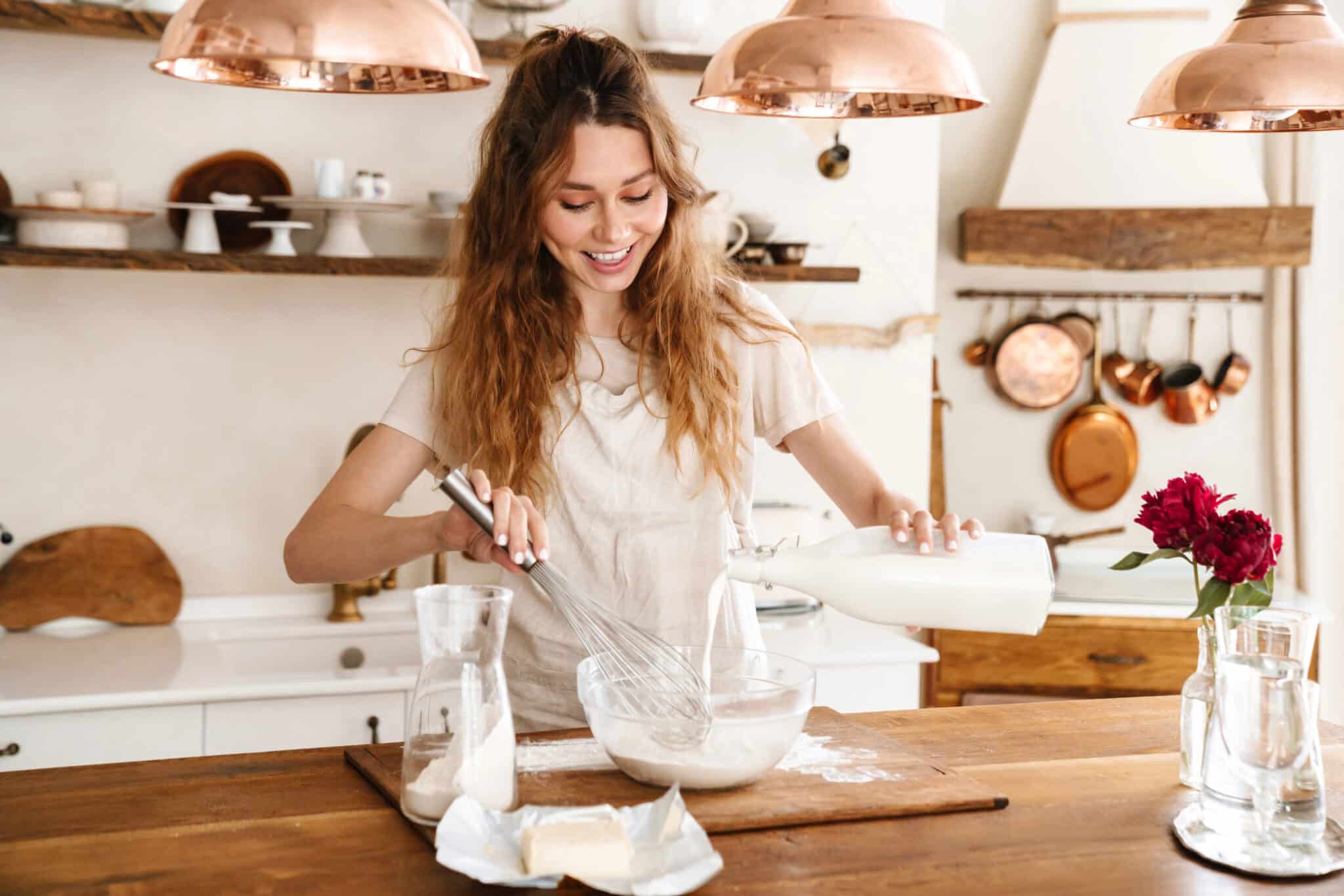

Raw Flour and Cake Mix: Why Baked Goods Aren’t the Only Risk
Raw flour and boxed cake mix are staples in many kitchens, often associated with comfort baking and sweet memories. Many people assume these ingredients are safe because they are dry and shelf-stable. That assumption has led to widespread practices like sampling raw cookie dough or sneaking a spoonful of cake batter. Unfortunately, flour and mixes made with it can carry dangerous pathogens, making them a hidden food safety risk.
Why Flour is Not Sterile
Flour is produced by milling grains, usually wheat, that are harvested from open fields. Unlike products such as milk or juice that undergo pasteurization, flour is not treated to kill harmful microorganisms. The dry texture leads people to believe that bacteria cannot survive, but this is incorrect. Pathogens such as Escherichia coli (E. coli) and Salmonella can live on grains and survive the milling process. Once the flour is packaged, the bacteria remain dormant but not destroyed.
Cake Mix and Added Risks
Cake mixes and other boxed baking products contain flour as a primary ingredient. These mixes may also include dried eggs or milk powders that present additional opportunities for contamination. If these dry ingredients are tainted before packaging, they can introduce pathogens into every box produced from a single contaminated batch. The popularity of cake mix means that even a small error in quality control can affect thousands of households across the country.
Outbreaks Linked to Flour
Multiple outbreaks in recent years highlight the risks. The United States has experienced several E. coli outbreaks tied to raw flour, some resulting in nationwide recalls. Hundreds of people became ill after consuming raw dough or batter during these events. Symptoms ranged from abdominal cramps to kidney complications in severe cases. Cake mixes have also been implicated, with one notable outbreak traced to children who ate raw batter during baking. These examples demonstrate that flour-based products are far from harmless.
The Illusion of Safety in Dry Foods
Consumers often equate dryness with safety, believing that bacteria need moisture to survive. While moisture encourages growth, pathogens can survive for long periods in dry environments. When raw flour is mixed with water, eggs, or other ingredients, the bacteria awaken and multiply. That means tasting a spoonful of dough or licking a whisk coated in cake batter carries more risk than many realize.
Vulnerable Populations
Foodborne illness is especially concerning for vulnerable groups. Children are particularly at risk because they are more likely to taste raw batter during baking activities. Older adults, pregnant individuals, and people with compromised immune systems face greater risks of severe outcomes from pathogens such as E. coli or Salmonella. Even healthy adults may suffer serious illness after consuming contaminated flour products.
Industry and Safety Measures
Some companies are beginning to recognize the risk and are exploring methods such as heat-treating flour before packaging. This process reduces bacterial loads without compromising quality. A few specialty baking companies already sell heat-treated flour for safe consumption in products like edible cookie dough. Widespread adoption of these treatments could help reduce outbreaks, but the process adds cost and complexity that not all manufacturers are willing to absorb.
Safe Practices at Home
Consumers can take steps to protect themselves. Flour and cake mix should always be treated as raw ingredients that require cooking. Hands, utensils, and surfaces that come into contact with raw flour should be washed thoroughly to prevent cross-contamination. Cookie dough, cake batter, and other flour-based mixtures should never be consumed until fully baked. Parents should be especially mindful of teaching children that raw batter is not safe to taste.
Alternatives for Safe Enjoyment
The popularity of edible cookie dough and similar products has led to safer alternatives. Companies now offer ready-to-eat doughs made with heat-treated flour and pasteurized eggs. Home bakers can also heat flour in an oven before using it for no-bake recipes. These small precautions allow for indulgence without unnecessary risk.
Final Note
Raw flour and cake mix may seem harmless, but they can carry dangerous pathogens. Outbreaks of E. coli and Salmonella demonstrate the real risks tied to consuming raw dough and batter. Safe handling, proper cooking, and education are essential to reducing illness. Baking should remain an enjoyable tradition, but awareness of hidden dangers helps ensure that families savor finished products rather than suffer the consequences of unsafe habits.
