

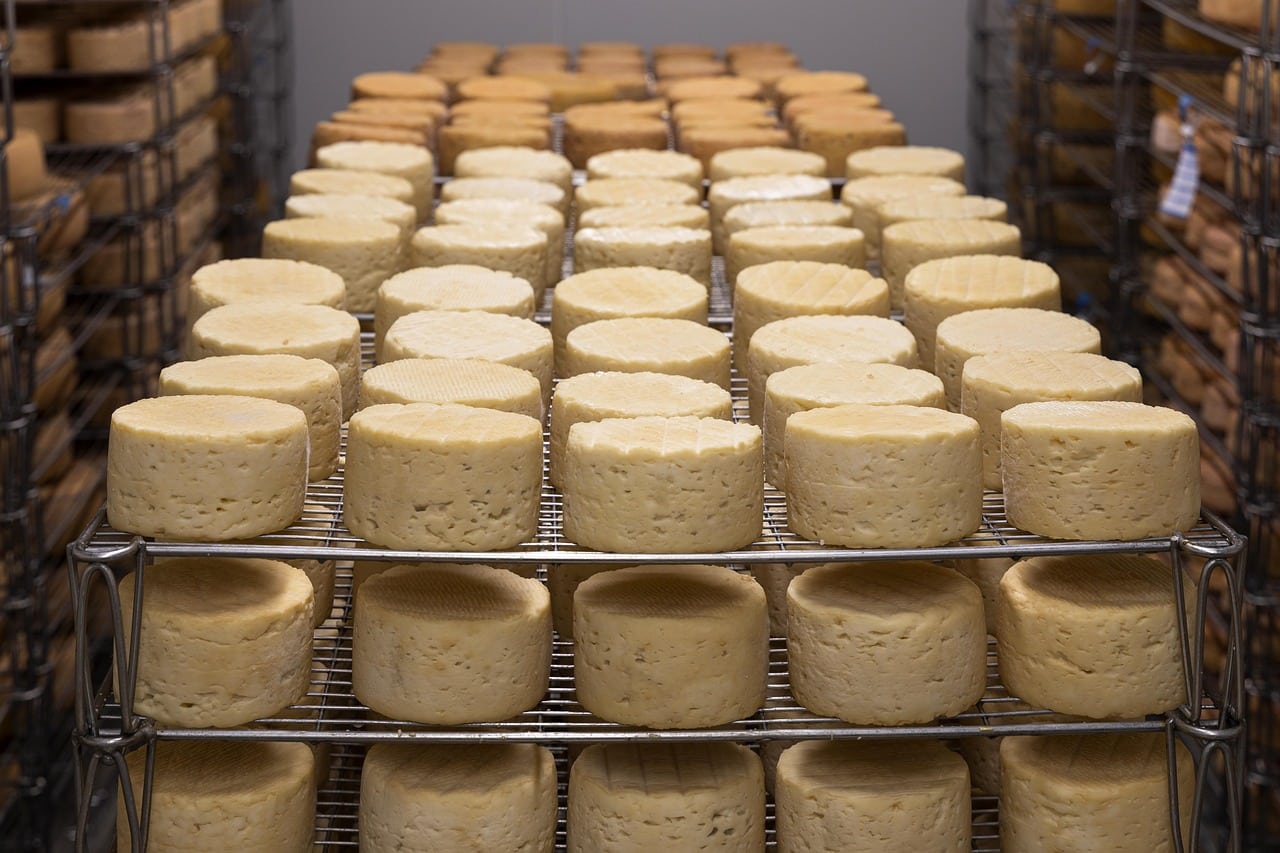

Fermented foods have exploded in popularity in recent years. From kombucha and kimchi to kefir and sauerkraut, these products are marketed as gut-friendly superfoods. But beneath the health halo lies a lesser-known truth: fermentation can create opportunities for dangerous contamination when not handled properly.
Traditional fermentation relies on beneficial bacteria and yeasts to transform raw ingredients, producing acids and alcohols that inhibit harmful microbes. However, when the process is rushed or performed in unsanitary conditions, pathogens like Clostridium botulinum (the bacteria responsible for botulism) or Listeria monocytogenes can take hold. Cases of botulism linked to home-fermented fish in Alaska and improperly canned vegetables in Europe highlight the dangers.
Another risk comes from kombucha. If brewed in ceramic containers with lead-based glazes, the acidity of the drink can leach toxic metals, creating a double hazard of poisoning and infection. Similarly, kimchi outbreaks in Korea have been traced to improper fermentation temperatures, where E. coli O157:H7 and norovirus flourished.
The good news is that safe fermentation is possible. Commercial producers follow strict pH and temperature controls, reducing risks significantly. For home enthusiasts, best practices include using sterilized equipment, sticking to trusted recipes, and monitoring pH to ensure it falls below 4.6 — the threshold where botulism cannot grow.
Fermented foods can be healthy, but they are not inherently “safe.” Like sushi or raw oysters, they demand careful preparation and awareness. As demand for artisanal and homemade products grows, so does the responsibility to recognize that the line between probiotic superfood and food poisoning culprit can be thin.
