

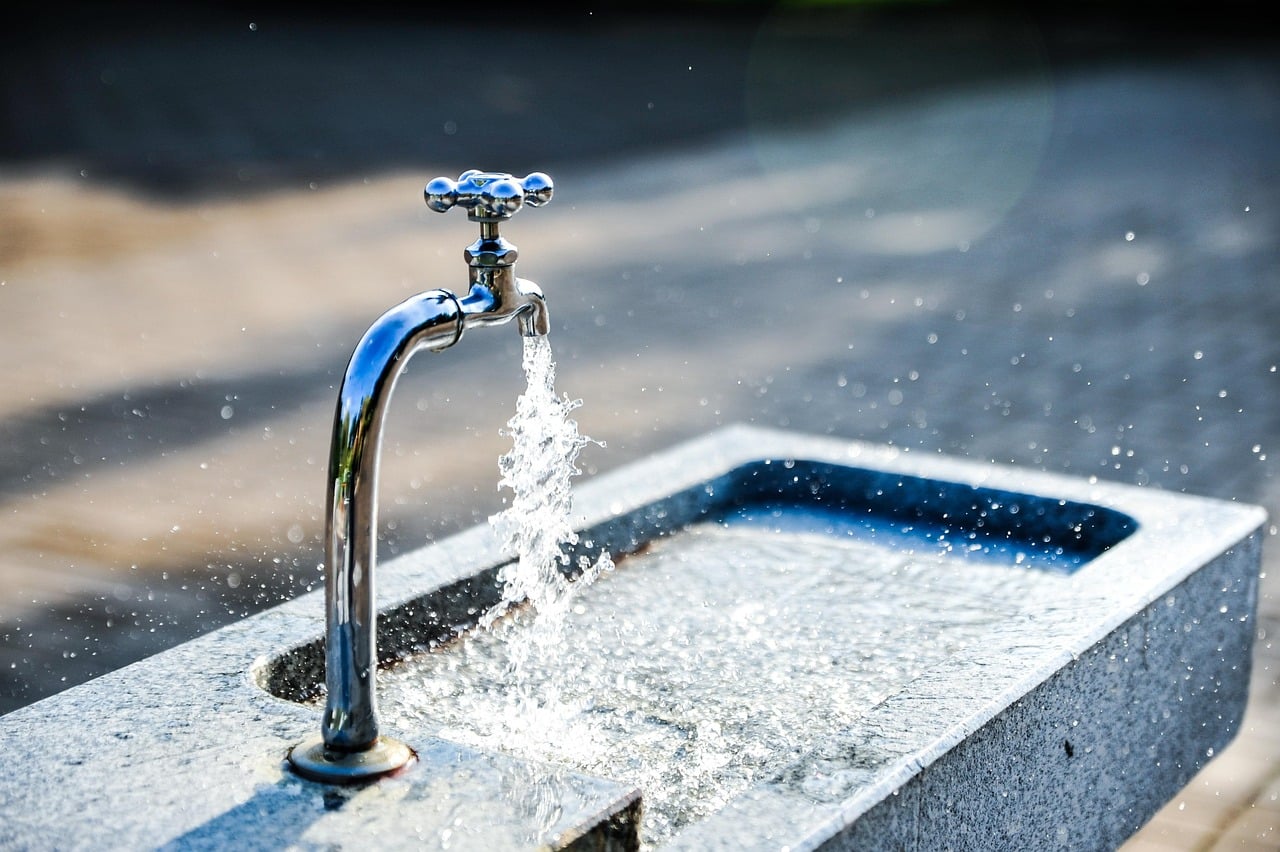

The foundation of human health begins with what we consume. Clean water and safe food are not luxuries—they are necessities. Yet, in an era of global supply chains and increasingly complex production systems, the assurance of proper water and food quality remains a challenge. Outbreaks of waterborne and foodborne illness continue to underscore the critical importance of rigorous safety standards.
The Link Between Water and Food Safety
Water is not just something we drink; it is integral to nearly every stage of food production. From irrigation of crops to processing, cleaning, and preparation, water quality directly determines the safety of the final product. Contaminated water can introduce dangerous pathogens like E. coli, Salmonella, and Listeria into the food supply. Once introduced, these bacteria can spread quickly through production facilities and across distribution networks, sometimes affecting thousands of consumers.
In developing regions, inadequate sanitation is a leading cause of diarrheal disease, which claims hundreds of thousands of lives each year. But even in countries with advanced infrastructure, lapses in water quality have led to major outbreaks. The lesson is clear: without clean water, food safety cannot exist.
Why Food Quality Cannot Be Compromised
Foodborne illness affects an estimated 48 million Americans each year, according to the CDC. While some cases result in mild discomfort, others lead to hospitalization, chronic health issues, or even death. Vulnerable populations—such as children, the elderly, and immunocompromised individuals—are at greatest risk.
Quality food is not defined solely by freshness or taste. It also means freedom from contaminants: bacteria, viruses, parasites, or chemical residues. Ensuring this level of quality requires strict oversight at every stage of the food chain, from farm to table. Farmers must use safe irrigation methods, processors must sanitize equipment, distributors must maintain cold storage, and retailers must handle products properly.
The Cost of Neglect
Failing to prioritize water and food quality carries heavy costs. Outbreaks damage consumer trust, devastate businesses, and place massive burdens on public health systems. In severe cases, companies face lawsuits, recalls, and long-term reputational harm. The economic losses are measured not just in settlements, but also in jobs lost and industries disrupted.
Moving Forward
The solution lies in vigilance and accountability. Governments must enforce stringent standards, corporations must invest in rigorous testing and monitoring, and consumers must remain informed. Legal advocates also play a crucial role by holding negligent companies accountable and pushing for systemic improvements.
Clean water and safe food are fundamental human rights. Protecting them is not only about preventing illness today—it is about building a healthier, more sustainable future. When water is pure and food is safe, communities thrive. When those standards are neglected, the consequences are swift, costly, and often irreversible.
