


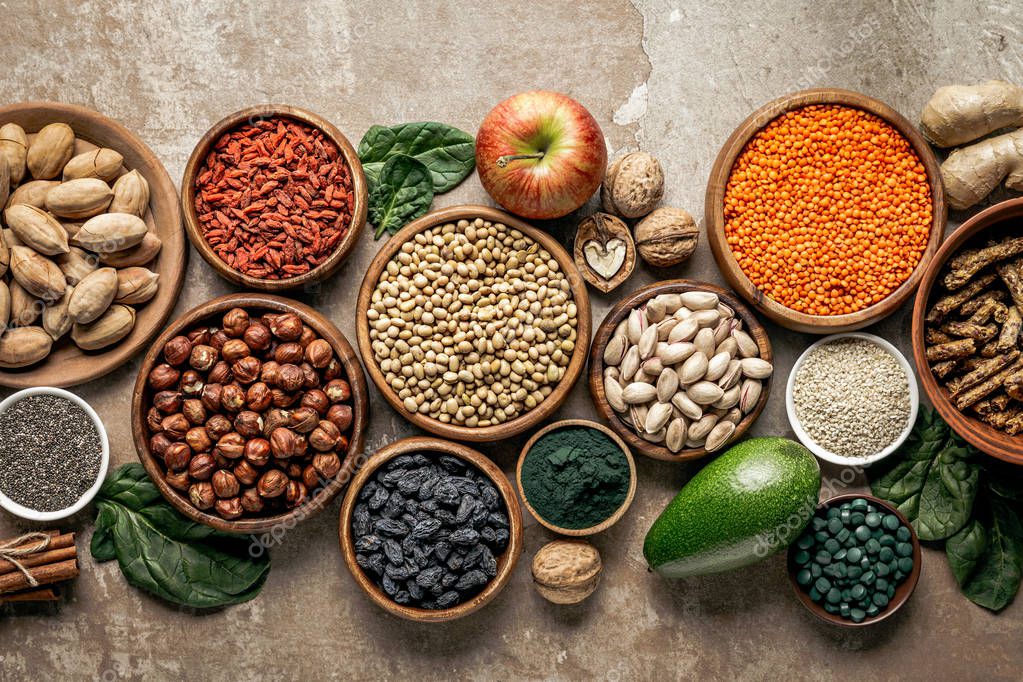
“Superfoods” have gone mainstream. Bags of powdered moringa, jars of spirulina, tubs of green “wellness” blends, and stacks of root and bark powders sit side-by-side with protein powders at big-box retailers and direct-to-consumer startup sites. Consumers buy these products for perceived nutritional benefits, clean-label claims, and the convenience of adding a spoonful to smoothies, coffee, or baked goods. The same attributes that make these powders appealing, minimal processing, long shelf life, and wide distribution, also create safety blind spots. Low-moisture, powdered botanical foods can carry microbial pathogens when they bypass validated kill steps; they can concentrate environmental contaminants such as lead and cadmium; and opaque supply chains open the door to adulteration that defeats routine testing.
Why Powdered “Superfoods” Are Different From Fresh Produce
Minimal processing is the selling point for many superfood powders. The product story often highlights simple supply chains and plant-only ingredients. That simplicity creates three structural vulnerabilities:
- No consumer kill step – Unlike raw meat or eggs that are normally cooked, powders are often added to foods after preparation or consumed with no heating. If the finished powder carries pathogens, consumers ingest them directly.
- Low water activity disguises microbial survival – Low-moisture matrices such as powders do not support rapid bacterial growth, but certain pathogens, notably Salmonella, can survive for months in dried spices or powders. That survival allows contaminated lots to travel widely before detection.
- Complex, opaque sourcing – Many botanical powders are aggregated from small farms in multiple countries, brokered through intermediaries, then repacked for sale. Each intermediary is an opportunity for substitution, contamination, or inadequate processing.
Those characteristics mean that public-health risk is not theoretical. In recent months and years, public agencies and industry testing have repeatedly detected Salmonella in moringa and greens powders, heavy metals in plant-based proteins and botanicals, and financial fraud that hides origin and safety checks.
Recent Recall and Outbreak Signals: The Moringa Wake-Up Call
A clear and current example is the November 2025 Salmonella cluster linked to moringa leaf powder. The U.S. Food and Drug Administration and CDC documented a multistate investigation in which opened household samples tested positive for Salmonella and matched clinical isolates; multiple brands that used the same supplier lot were pulled from shelves. The FDA recall notices and CDC outbreak pages describe the event as a typical powder–borne Salmonella scenario: a contaminated supplier lot distributed broadly and incorporated into numerous retail products and blends.
The FDA’s recall announcement made the public-health concern plain, “Product may be contaminated with Salmonella, an organism that can cause serious and sometimes fatal infections in young children, the elderly, and individuals with weakened immune systems” (FDA.gov), which demonstrates both the pathogen and the populations most likely to experience severe outcomes.
Moringa is not unique. Across the past few years regulators have issued recalls for greens powders, powdered supplements, and herbs contaminated with Salmonella. These products are attractive vectors because a single contaminated bulk lot can be blended into many brands and finished goods, amplifying exposure far beyond the original source.
How Salmonella Survives and Spreads in Powders
Understanding why Salmonella appears in dry powders requires a brief microbiology note. Salmonella can persist for long periods in low-moisture foods because desiccation stresses reduce but do not kill all cells, and the bacteria can be protected by organic matrices (oils, proteins, fibers). When contaminated powder is added to foods that provide moisture, for example, when someone mixes moringa into a smoothie, the organism is rehydrated and can proliferate. Further, if processing lines lack validated thermal or irradiation steps that are known to reduce pathogens in spices, finished powders may leave the factory with live organisms inside. That mechanistic chain explains why the FDA’s spice and dried-product risk profiles repeatedly single out Salmonella as a top pathogen of concern.
Operational failures that permit Salmonella contamination include field contamination (soil, irrigation water, animals), unsanitary drying or storage, cross-contact with contaminated bulk bins, and failure to apply or validate steam sterilization or other kill steps that many spice processors use.
Heavy Metals: The Chronic Invisible Hazard in Plant Powders
Beyond acute microbial threats, powdered botanicals can carry chemical contaminants, most notably heavy metals such as lead, cadmium, arsenic and mercury. These elements accumulate in soil and are taken up by plants to varying degrees depending on species, soil chemistry, and local pollution sources (mining, smelting, industrial runoff). Because powders concentrate plant material, they can magnify low-level contamination into exposures that matter for human health.
Regulators are paying increasing attention. The FDA explicitly states that it “aims to reduce exposure to arsenic, lead, cadmium, and mercury, referred to as toxic elements, in food and dietary supplements.” Several independent testing efforts, including Consumer Reports, academic studies, and nonprofit testing projects, have flagged elevated lead and cadmium in plant-based protein powders, greens blends, and prenatal supplements. Those findings spurred state laws (for example California’s new prenatal supplement testing requirement) and increased retailer caution around botanical powders.
Chronic exposure to low levels of heavy metals is a public-health concern because effects are cumulative and often insidious: neurodevelopmental harm in children (lead), kidney damage (cadmium), and increased cancer risk (arsenic). The public-health calculus therefore differs from an acute Salmonella outbreak: a contaminated batch may not make someone vomit but can add to lifetime exposure that matters for population health.
Adulteration, Misleading, and the Erosion of Traceability
Economic adulteration, mixing cheaper fillers into premium powders, substituting one botanical for another, or repackaging foreign lots without origin disclosure, is both a financial crime and a safety threat. Fraud often eliminates traceability. When lots are repackaged through brokers who provide falsified certificates of analysis or mask origin, regulators and retailers lose the ability to trace a finding in finished product back to the farm or drying facility.
Casework shows how this risk plays out. Illegally blended honey or fake olive oil cases documented by INTERPOL and national authorities regularly find not just economic substitution but product tainted by poor processing, industrial contaminants, or expired material. Similar dynamics can affect powdered botanicals: cheap or improperly processed filler can introduce microbial or chemical hazards that the branded product would otherwise avoid. INTERPOL puts it bluntly, “Fraudulent food products are poor quality and may be contaminated; they can cause food poisoning and even death” (FDA.gov).
Spirulina and Algae Powders: Aquatic Sources, Aquatic Risks
Algae-based powders such as spirulina and chlorella have seen rising popularity as plant-based protein and micronutrient sources. Their production is often aquatic: open ponds or raceways where contamination control depends on water quality, harvesting practices, and drying. Algae can accumulate arsenic and other elements from water. In addition, poor harvesting or drying conditions can permit microbial contamination. Regulatory and published reports have shown metals and occasional microbial failures in algae products, particularly in cases where production controls are minimal. That pattern mirrors terrestrial botanicals: the species and the environmental exposure determine the contaminant profile, but the product form (dried powder) concentrates whatever is present.
Direct-to-Consumer Sales Amplify the Problem
One important trend drives both the demand and the vulnerability: direct-to-consumer (DTC) marketing. Small brands sell powders on their own websites, on marketplace platforms, and through influencer channels. DTC brands often rely on single-batch imports and small repacking operations. Those supply models accelerate distribution while reducing the visibility and control of large centralized buyers that traditionally run robust supplier audits. The result is rapid scale and fragility: a single contaminated supplier lot can be repackaged into dozens of SKUs across brands and marketplaces before anyone notices.
DTC growth complicates regulatory surveillance too. Many products are sold in small lots across many digital storefronts; recall outreach becomes harder and consumers may keep powders in pantry nooks for months.
What the Data and Enforcement Actions Show
Regulators and testing bodies have responded with a mix of recalls, guidance, and targeted surveillance:
- Recall clusters. In addition to the moringa recalls noted above, the FDA and retailers have issued multiple recent recalls for greens powders and powdered supplements that tested positive for Salmonella. Those actions demonstrate the classic pattern: a supplier lot is implicated, product is recalled, and public health agencies scramble to find exposed consumers.
- Heavy-metal testing and legislation. Independent testing programs and state legislatures have pushed for heavy-metal disclosure and testing in prenatal vitamins and baby foods; the same logic applies to superfood powders consumed daily by health-conscious consumers. California’s new prenatal testing law is a notable example of regulatory movement.
- Enforcement operations. International operations such as INTERPOL/EUROPOL seizures show that fraud remains a global enforcement priority; those cases often reveal concomitant food-safety problems.
Those signals do not mean powders are uniformly unsafe, but they demonstrate recurring vulnerabilities in a growing product category.
Practical Steps Industry Should Take
To reduce risk while preserving product variety, the supplement and botanical-powder sector should adopt a layered strategy:
- Validated kill steps. Where feasible, use validated steam sterilization, irradiation, or other pathogen-reduction technologies for dried botanicals. Document validation and include it on supplier certificates.
- Environmental monitoring and supplier audits. Test drying and packing facilities for pathogens, and audit supplier soil and water testing for heavy metals. Prioritize suppliers in regions with known industrial contamination.
- Retention samples. Keep retained control samples of each incoming lot for a defined period (for example 12 months) to enable retrospective testing if illness occurs.
- Targeted analytic testing. Deploy both microbiological screens (Salmonella, Bacillus cereus) and chemical screens (lead, cadmium, arsenic) on high-risk commodities and on finished blends before release. Risk-based sampling yields better protective value than ad-hoc testing.
- Authentication tools. Use isotope ratio analysis, trace metal fingerprinting, and DNA barcoding where possible to verify botanical identity and origin. Those tools raise the cost for fraudsters and support tracebacks.
- Transparency for consumers. Publish certificates of analysis and origin details on product pages; third-party certification programs (USP, NSF, Non-GMO Project) can boost confidence.
Large buyers and retailers can accelerate these practices by requiring supplier audits and by de-listing suppliers who fail repeated verification.
What Regulators and Public Health Agencies Should Do
Regulators must adapt to the product and distribution changes that created this category’s vulnerabilities:
- Prioritize risk-based surveillance. Focus limited analytic capacity on commodities known for problems: powdered herbs and greens, algae products, and plant-based protein blends.
- Require retention of samples for high-risk imports. Mandate that importers retain representative samples so investigators have material for testing if a cluster emerges.
- Harmonize testing standards. Develop consensus methods for metal screening and microbial detection in low-moisture botanicals to reduce labs’ variability and speed results.
- Coordinate internationally. Work with trading partners to identify contamination sources upstream and to target enforcement operations where fraud and contamination converge.
- Enhance consumer alerts. Use marketplaces’ data to send prompt notices when recalls occur; require platforms to remove recalled SKUs and notify past buyers directly.
These steps require funding and political will but would reduce both acute outbreaks and chronic exposure risks.
What Consumers Can Do Now
Consumers should not panic. Many powdered superfoods are safe. But prudent shoppers can reduce personal risk with simple habits:
- Buy from reputable sellers with transparent sourcing information and published lab certificates.
- Prefer products with validated pathogen-reduction claims or third-party certification. Heat-treated spice blends and steam-treated powders reduce Salmonella risk.
- Rotate and label. Avoid long-term storage of powders in dark pantry corners; use older lots first and note purchase dates.
- Avoid giving infant foods powders to babies under 12 months unless explicitly approved: some powders (e.g., honey blends) can carry botulism spores.
- Follow recall notices. Sign up for retailer and regulatory recall alerts; keep packaging and lot numbers for quick cross-check.
These practices reduce individual exposure even as systemic fixes are pursued.
New Technologies and Approaches That Help
A few technical advances are helping close the gap between globalization and safety:
- Rapid genomics for outbreak linkage. Whole-genome sequencing now links clinical isolates to environmental or product isolates quickly, as the moringa case showed; that linkage enables targeted recalls rather than sweeping, disruptive actions. CDC and state labs use sequencing to confirm product links.
- Non-targeted chemical profiling. High-resolution mass spectrometry can fingerprint adulteration and unexpected contaminants at trace levels; coupling this with machine learning helps detect anomalies.
- Isotope ratio and trace-element profiling. These techniques support geographic provenance claims and make simple substitution more detectable.
- Blockchain and digital traceability pilots. When implemented across the chain, these systems make it harder to mix and obfuscate lot origins, though implementation costs and data governance remain barriers.
Wider adoption will require investment and standardization, but these tools matter because visual inspection alone cannot catch most adulteration or trace contamination.
International Trade and Equity Considerations
Many botanical powders originate in low- and middle-income countries where smallholder farming is common and regulatory capacity varies. Solutions therefore require investment in upstream capacity building: farm-level good agricultural practices (GAP), drying and storage infrastructure, and local testing laboratories. Exporters benefit from training programs and access to financing to upgrade drying or processing equipment so they can meet international buyer requirements. Developed-country importers should help by building longer-term sourcing relationships rather than relying on the cheapest available broker, stable commercial relationships encourage investments in safe production.
Equity matters too: heavy-metal exposures often reflect local industrial pollution that also harms producers’ communities. Addressing contamination therefore benefits both consumers abroad and producing communities at source.
Analysis & Next Steps
What’s New: The rapid growth of powdered “superfoods” and greens blends, combined with direct-to-consumer distribution models, has produced several recent recalls and a multistate Salmonella outbreak tied to moringa leaf powder. Independent testing projects and regulatory surveillance reveal recurring heavy-metal and microbial findings in plant-based powders and supplements.
Why It Matters: These products reach many consumers and are often consumed without a heat step, so a contaminated lot can cause both acute illness (Salmonella) and chronic exposure (lead, cadmium) across a wide population. The combination of acute and chronic risks means that the social cost is both immediate (hospitalizations) and delayed (neurodevelopmental harms, renal disease), especially among vulnerable groups.
Who’s Affected: Consumers purchasing powders from opaque supply chains, small retailers who rely on brokered lots, infants and pregnant people (for certain contaminants and botulism risks), and communities near industrial pollution sources that supply raw ingredients are all affected. Retailers and honest producers also suffer financial and reputational harm when adulterated or contaminated lots are detected.
What To Do Now:
- Regulators: Scale risk-based surveillance on botanical powders and mandate retention of control samples for high-risk imported commodities. Harmonize testing methods for metals and microbial detection and expand cross-border intelligence sharing.
- Industry: Require validated pathogen-reduction steps or certificates, implement rigorous supplier audits, retain lot samples, and deploy targeted chemical and microbial testing before release. Invest in traceability and provenance verification.
- Retailers and marketplaces: Remove suspicious or unverifiable lots promptly, require origin documentation from sellers, and notify buyers quickly when recalls occur.
- Consumers: Buy transparent brands, check for lab certificates or third-party certifications, heat-treat spices or powders when origin is uncertain, and follow recall notices. Preserve packaging and lot numbers if illness occurs.
Final Note
Powdered superfoods sit at the intersection of well-being, commerce, and global agriculture. Their rise has real benefits for consumers, but it has also exposed regulatory and supply-chain fragilities. Safeguarding this category will require coordinated action: smarter surveillance by regulators, stronger verification by industry, better traceability and testing, investment in producer capacity abroad, and informed consumer choices at home. The moringa recalls and other recent signals should not be a reason to reject botanicals wholesale; they should be a call to make safe, honest supply chains the default for a fast-growing sector that many people rely on for daily nutrition.
The Rise of “Superfood” Recalls: Moringa, Spirulina, and Raw Supplements

Alicia Maroney
Alicia Maroney is a writer for FoodPoisoningNews.com, where she covers food safety, outbreaks, and public health issues. An avid reader, hiker, and traveler, Alicia brings a curious and analytical perspective to her work. Writing about foodborne illness has given her a new respect for food care and the everyday practices that help keep people safe.
Related Posts
Add A Comment