


Produce Safety in Vertical Farming and Hydroponics
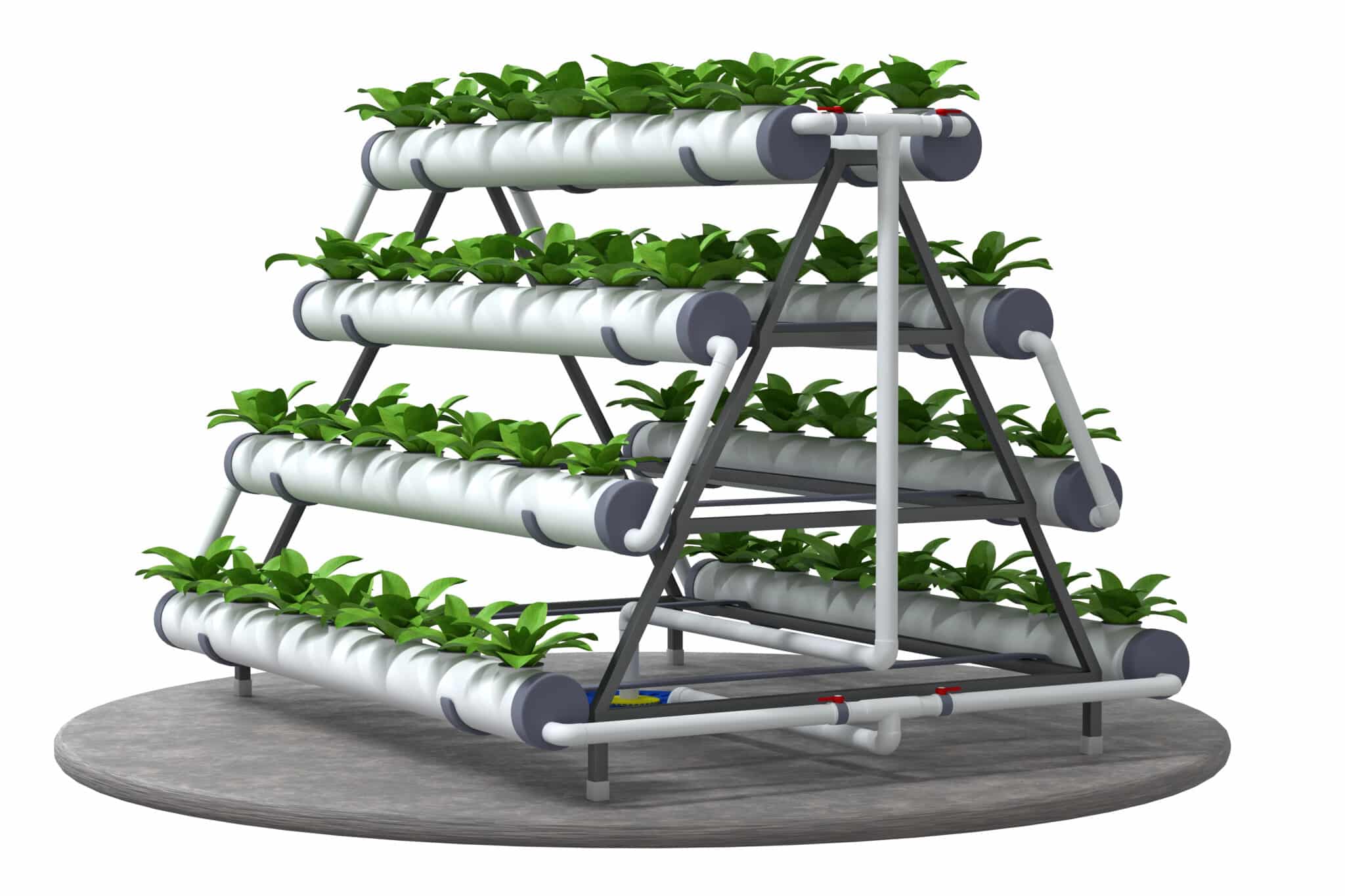
Vertical farms, hydroponic racks, and other forms of controlled environment agriculture (CEA) promise fresher greens grown nearer to cities, less pesticide use, and more predictable yields. That technology shift is reshaping produce supply chains. The food safety story is not a simple “safer vs. riskier” trade. Controlled environments cut some traditional hazards, soil contact, wildlife intrusion, and field runoff, while introducing or concentrating others: contaminated water and nutrient solutions, persistent facility niches that harbor Listeria and other bacteria, and complex human and equipment interactions in dense indoor facilities.
How Vertical Farming and Hydroponics Change the Hazard Landscape
Traditional field production presents familiar contamination routes: irrigation water, animal intrusion, soil, and on-farm workers. Controlled environment agriculture reorganizes those routes.
Positive Changes Include:
- Far better control of growing environments (temperature, light, humidity), which can reduce pest pressure and predictable exposure to some environmental pathogens.
- Reduced reliance on field irrigation that can be contaminated by runoff or floodwater.
- Opportunities for faster harvest-to-market cycles and local distribution that shorten cold chain time.
New Or Amplified Hazards Include:
- Recirculating water and nutrient solutions that can amplify and spread microbes quickly across many plants if contaminated – Water that is reused or re-circulated, core to hydroponics and NFT (nutrient film technique) systems, is a shared medium; a contaminated pump or reservoir can taint whole racks. FAO’s recent global review of indoor farming flags that “inputs such as seeds, water, substrates, and even human handling can introduce contamination if not carefully managed,” and it urges policies and controls that reflect the systems’ unique risks.
- Processing-level contamination niches – Packing rooms, dressing stations, conveyors, and rinse tanks in indoor farms resemble food-processing environments more than field sheds. Those wet surfaces and drains can form biofilms where Listeria monocytogenes and other organisms persist.
- Human and equipment traffic density – People, tools and materials move through compact spaces, increasing cross-contact potential between raw inputs and ready-to-eat product.
- Limited kill-step options – Leafy greens are eaten raw. If contamination enters after harvest or during packing, consumer cooking is not an available control, prevention upstream is essential.
The FAO synthesis is stark: indoor farms can offer advantages but they “are not immune to food safety risks,” and success requires preventing hazards from entering the facility in the first place.
Which Pathogens Are Most Relevant to Vertical Systems?
Several organisms repeatedly show up in the literature on hydroponics and indoor leafy greens:
- Listeria monocytogenes – Thrives in cool, wet environments and forms biofilms that withstand routine cleaning. It can grow slowly at refrigerator temperatures and is especially dangerous for pregnant people, older adults, and immunocompromised individuals. Environmental persistence makes Listeria a particular concern in packing and processing areas.
- Salmonella spp. and pathogenic E. coli. – These enter via contaminated water, seed, worker hands, or equipment. Several studies and outbreak reports have linked Salmonella to leafy greens, including incidents where hydroponic or greenhouse-grown produce was implicated. Recirculating nutrient solutions can rapidly distribute bacterial contamination across many plants.
- Norovirus – Although primarily spread person-to-person or via contaminated hands and surfaces, norovirus can contaminate produce via infected handlers; crowded indoor facilities with shared breakrooms or high staff turnover must control worker illness carefully. CDC guidance emphasizes safe handling of leafy greens and traceability when restaurants and institutions receive pre-cut or bulk greens.
Pathogen behavior depends on the matrix (leaf surface, nutrient film, packaging), so controls must be targeted to where organisms can survive and spread in indoor systems.
Evidence From Studies and Outbreaks
The empirical record is instructive. Reviews and incident reports show that hydroponic and indoor systems have been implicated in contamination events, even while they reduce some field hazards.
- A 2024 review and case analyses highlight that hydroponic lettuce and greenhouse-grown mixes have occasionally been linked to Salmonella and other bacterial detection events; the dynamics often point to contaminated water, post-harvest processing or environmental niches rather than the act of growing under lights itself.
- Controlled studies of closed hydroponic systems document that water, substrates, and recirculating pumps can harbor microorganisms, and that biofilms in piping or on surfaces are persistent contamination reservoirs if not removed by validated sanitation. Academic work finds that “sources of contamination in a closed hydroponic system” include irrigation water, worker contact, and equipment, and that monitoring those nodes is essential.
- Sanitizer efficacy studies show that common disinfectants vary in their ability to remove Salmonella from NFT system surfaces; proper selection, contact time, and mechanical cleaning matter greatly. Research evaluating chemical sanitizers against Salmonella Typhimurium in hydroponic NFT contexts shows that cleaning protocols must be validated, because some sanitizers that work on stainless steel do not fully remove biofilms inside tubing or porous components.
These findings make a clear point: indoor systems are not sterile. If contamination occurs, the systems’ connectivity can multiply exposure quickly, but when controls are properly designed and executed, the systems can also be tightly managed.
Where Contamination Usually Starts In Indoor Farms
Risk mapping across facilities reveals high-leverage points:
- Seed and planting material. Contaminated seeds or transplants can introduce pathogens that move into nutrient solutions or onto leaf surfaces. Some outbreaks and risk assessments point to the need for seed-source verification and supplier controls.
- Water and nutrient solutions. Agricultural water remains a leading vector for produce contamination. In hydroponics, the same water contacts many plants; poor source water, broken UV systems, or biofilm in recirculation loops can seed contamination widely. FDA and FSMA produce safety guidance focuses heavily on agricultural and harvest water for conventional farms and is directly applicable to CEA water controls.
- Harvest and post-harvest handling. Rinse tanks, conveyors, cut-edge exposure, and packing rooms are classic recontamination opportunities. Listeria colonizes drains and equipment; if sanitation programs miss those niches, finished product can be contaminated after any pre-harvest control.
- Human factors. Workers’ hygiene, illness policies, and training are decisive. An infected handler or a worker bypassing boot or gown protocols can transfer pathogens to many plants in a short period. CDC and FDA guidance on leafy greens stress recordkeeping and temperature control but also highlight the importance of worker training and chain of custody.
Target interventions at these nodes and you reduce most of the practical risk.
Practical Controls That Work in Vertical Farms and Hydroponics
CEA operators should adopt layered, documented controls adapted from produce safety and food-processing best practices:
Water and Nutrient Management
- Source water testing and treatment. Use municipal or properly treated water for final nutrient mixes. Where non-potable sources are used, validate treatment (UV, chlorination, ozone) and monitor residual efficacy.
- Prevent stagnation and biofilm. Design looped systems to avoid dead legs, purge and disinfect lines on a schedule, and use materials that resist biofilm formation. Validate sanitizer selection and contact time for plastic piping, fittings and reservoirs. Research shows efficacy varies by sanitizer and system geometry.
Environmental Sanitations and Facility Design
- Sanitary zoning. Separate “dirty” seedling and raw input zones from “clean” harvest and packing areas. Control airflow and personnel movement between zones.
- Drain and floor design. Build drains for easy cleaning; dead joints and cracks become Listeria habitats. Environmental monitoring should focus on drains, conveyor bearings, and non-food contact surfaces that predict contamination risk. FAO and FDA guidance emphasize environmental monitoring for RTE produce processors.
Post-Harvest Handling
- Validated rinsing and drying. If wash steps are used, ensure water is potable and that drying prevents moisture pools that support growth. Minimize cut leaf damage and speed cold chain initiation.
- Shortened shelf life where appropriate. For some mixes, tighter “use by” windows reduce the chance that low-level contamination grows to hazardous levels in refrigeration. Retailers can collaborate on conservative date coding.
Supplier and Seed Controls
- Supplier verification and seed certificates. Require documentation on seed lot history and, for high-risk inputs, microbial testing or supplier audits.
- Quarantine and test incoming lots. For new seed lines or inputs, hold and test before integration into recirculating systems.
Human Factors and Training
- Sick-worker policies. Exclude symptomatic workers and enforce handwashing. Provide paid sick leave to avoid pressure to work while ill. CDC recommends strong food-handler policies for leafy greens and restaurants, the same logic applies to CEA.
- Training and culture. Empower line workers to stop production for contamination concerns, and use simple visual checklists to reduce variation across shifts.
Monitoring and Verification
- Environmental monitoring programs. Systematic swabbing for Listeria spp., ATP monitoring for cleaning efficacy, and periodic microbiological testing of finished lots support early detection. FDA and industry guidance call environmental monitoring the backbone of Listeria control in RTE lines.
- Retained samples and traceability. Keep representative retained product and water samples for every lot. Fast traceback depends on them. Use lot coding that links racks, harvest dates, and pack lines.
When implemented conscientiously, these controls reduce risks dramatically. The technologies and procedures are familiar from food processing and can be adapted to the scale and layout of indoor farms.
What Regulators and Industry Should Do Now
Policy and practice must keep pace with industry growth:
- Clarify how FSMA produce rules apply to indoor CEA – The FDA’s Produce Safety Rule applies broadly to produce for human consumption and includes provisions relevant to water testing, environmental sampling for sprouts, and supplier verification; regulators should publish CEA-specific guidance that interprets these rules for recirculating systems and vertical racks.
- Adopt FAO recommendations and harmonize guidance – FAO’s global review calls for clear international best practices for indoor farms, stronger monitoring of water and inputs, and training programs for workers, actions regulators and industry groups should operationalize.
- Support research and method standardization. Fill evidence gaps on sanitizer efficacy inside NFT tubing, biofilm removal strategies for plastics, and the growth potential of Listeria on different leaf mixes under MAP (modified atmosphere packaging). Peer-reviewed work and interlab method harmonization would speed adoption of validated controls.
Regulatory certainty and harmonized protocols lower compliance costs and raise baseline safety across the sector.
Practical Checklist for Vertical Farm Operators
- Source potable water or validate treatment for all nutrient and wash water; log residual disinfectant or validate UV dosing.
- Design loops and piping to minimize dead legs; schedule periodic line disassembly and biofilm removal.
- Implement environmental monitoring with an emphasis on drains, conveyors, and non-food contact surfaces; act immediately on positives.
- Separate raw inputs and seedling zones from packing; enforce gowning and hand-washing between zones.
- Retain samples, maintain lot codes, and maintain cold chain from pack to retail.
Who Should Worry Most And Who Benefits Most
The groups most affected by poor control in indoor farms are the same as for other RTE produce: pregnant people, the elderly, and immunocompromised individuals. Institutions that serve such groups (hospitals, nursing homes) should especially verify suppliers’ sanitation and monitoring credentials. At the same time, urban consumers and retailers stand to benefit from safer, more traceable local supply chains if CEA operators adopt robust controls and transparent auditing.
Analysis & Next Steps
What’s New: The rapid scaling of vertical farming and hydroponics has prompted global reviews and targeted research into indoor farming food-safety risks. FAO’s 2025 global review synthesized hazards and emphasized that indoor farms are not inherently safer; water, seeds and human handling remain primary risk vectors. Academic studies and sanitizer efficacy trials underscore unique technical challenges such as biofilm removal in recirculating systems.
Why It Matters: Controlled environments concentrate production and distribution; a single contaminated reservoir or processing niche can affect many racks and many retail lots at once. Because leafy greens are eaten raw, there is no consumer kill step to rescue a post-harvest contamination, prevention upstream is decisive. Listeria’s environmental persistence and Salmonella’s survival in recirculating water make the stakes clear: without validated controls, modern farms can amplify exposure rapidly.
Who’s Affected: Consumers, especially pregnant people, older adults, and immunocompromised persons, are at highest clinical risk. Retailers and foodservice operations face supply disruption and reputational damage if recalls occur. Producers who adopt robust controls and transparent documentation will benefit commercially as buyers demand verified safety. Regulators and public-health labs bear investigative burdens when incident detection and retained samples are missing.
What To Do Now:
- Operators: Implement validated water treatment, schedule rigorous biofilm control and environmental monitoring, enforce sanitary zoning, train staff on sick-worker policies, and keep retained samples and lot traceability. Validate sanitizer protocols for system materials and document all corrective actions.
- Retailers and buyers: Require supplier evidence of environmental monitoring, water testing, and traceability before contracting. Favor suppliers with third-party GFSI-aligned audits or equivalent documentation.
- Regulators: Issue CEA-specific guidance that interprets FSMA produce rules for recirculating systems, harmonize environmental monitoring expectations, and support sector research on biofilm control and sanitizer efficacy. FAO’s review provides a global framework to base harmonized guidance on.
- Researchers and funders: Prioritize work on biofilm removal in polymer piping, the efficacy of nonthermal water treatments for recirculating nutrient solutions, and rapid diagnostics that fit indoor farms’ operational cadence.
Final Note
Vertical farms and hydroponics are an exciting part of the future produce mix. They can shorten supply chains, reduce some environmental exposures, and bring fresh greens closer to consumers. That potential will only be realized if the sector treats food safety as an engineering and organizational challenge: validated water treatment, sanitary facility design, targeted environmental monitoring, and a culture that empowers workers to stop production for sanitation will keep indoor-grown produce both innovative and safe. The FAO, FDA and peer-reviewed literature converge on one point: indoor farming offers promise, but prevention must start at the inputs.
