


Foodborne illness outbreaks associated with ready-to-eat foods occupy a uniquely dangerous category in public health because consumers often eat these products without reheating or additional preparation capable of killing harmful bacteria. Unlike raw poultry or uncooked ground beef, which consumers generally understand require cooking to safe temperatures, ready-to-eat deli products are marketed and consumed under the assumption that they are already safe. This assumption places extraordinary responsibility on food processors, regulators, and sanitation systems to prevent contamination after cooking has occurred.
In May 2026, the United States Department of Agriculture’s Food Safety and Inspection Service (FSIS) issued a public health alert involving head cheese products distributed in Indiana and Illinois after illnesses linked to Listeria monocytogenes were identified. The implicated products, sold under the Daisy Brand label and produced by Crawford Sausage Company, were connected to confirmed listeria illnesses in Illinois. Laboratory testing detected Listeria monocytogenes in unopened product samples collected during the investigation.
Although the contaminated products were believed to no longer be available in stores at the time the alert was issued, federal officials warned consumers that products may still remain in household refrigerators or freezers. The incident immediately raised broader concerns about how dangerous pathogens continue to infiltrate refrigerated ready-to-eat foods despite decades of regulatory reforms and increasingly sophisticated food safety technologies.
The Indiana head cheese outbreak did not occur in isolation. Instead, it emerged against the backdrop of multiple recent listeria outbreaks tied to deli meats, prepared foods, frozen nutritional products, and institutional meal systems across the United States. Collectively, these outbreaks suggest that Listeria monocytogenes remains one of the most difficult pathogens for the modern food industry to control.
Understanding Listeria monocytogenes
Among foodborne pathogens, Listeria monocytogenes presents an especially serious challenge because of its unusual biological properties. Most foodborne bacteria struggle to survive in cold environments, which is why refrigeration remains one of the most effective food preservation tools. Listeria, however, behaves differently. It can survive and continue growing at refrigeration temperatures, allowing contamination to worsen even while products appear safely stored.
The Centers for Disease Control and Prevention(CDC) identifies listeriosis as one of the deadliest foodborne illnesses in the United States because of its high hospitalization and mortality rates. Unlike pathogens that primarily cause short-term gastrointestinal illness, invasive listeriosis can spread beyond the digestive tract into the bloodstream and central nervous system. Severe infections may lead to meningitis, septicemia, neurological complications, pregnancy loss, or death.
The delayed onset of symptoms makes listeria outbreaks especially difficult to trace. The Food and Drug Administration notes that symptoms may appear anywhere from the same day to as long as ten weeks after exposure. By the time patients become ill, the contaminated product may already have been consumed, discarded, or distributed across multiple states.
This delayed incubation period complicates epidemiological investigations and allows outbreaks to spread quietly before detection.
Why Ready-to-Eat Meats Remain Vulnerable
The Indiana outbreak highlights a longstanding weakness in food safety systems involving ready-to-eat meats. Products such as deli meats, pâtés, sausages, and head cheese undergo cooking during production, but they often become contaminated afterward through environmental exposure inside processing facilities.
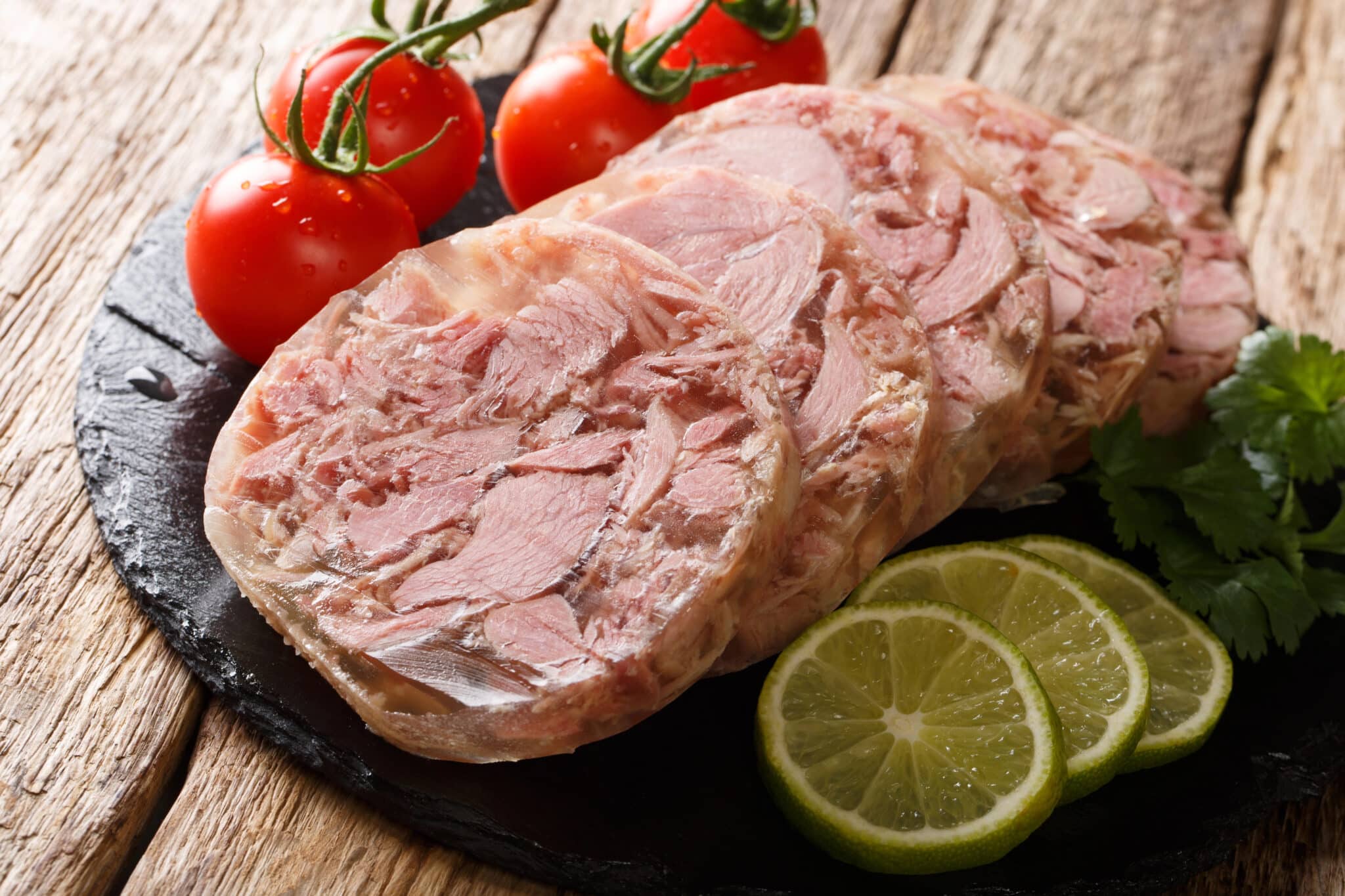
Head cheese presents several unique concerns from a food safety perspective. The product typically contains pork head meat, connective tissues, and gelatin-rich components formed into a loaf or molded preparation. Because it is refrigerated, moist, protein-rich, and commonly consumed without reheating, it creates an ideal environment for listeria survival and growth if contamination occurs after cooking.
Additionally, specialty meat products are often handled extensively during slicing, packaging, and storage. Every additional handling step creates another opportunity for environmental contamination.
Unlike foods cooked immediately before consumption, ready-to-eat meats depend almost entirely on sanitation systems and environmental controls for safety. Once contamination occurs after processing, consumers have few opportunities to eliminate the pathogen themselves.
Environmental Persistence Inside Processing Facilities
One of the most concerning aspects of Listeria monocytogenes is its ability to establish long-term residence inside food-processing facilities. Public health experts frequently describe listeria as an “environmental pathogen” because it thrives in damp industrial settings.
The bacterium can survive in floor drains, refrigeration units, conveyor systems, cracks in equipment, condensation lines, and difficult-to-clean surfaces. Over time, it may form biofilms, protective bacterial communities that adhere tightly to surfaces and resist normal cleaning procedures.
This means contamination may persist for months or even years within a facility without being completely eradicated.
Recent federal investigations into ready-to-eat meat facilities have revealed troubling sanitation conditions. A USDA report examining a separate multistate listeria outbreak involving deli meats documented conditions that included condensation dripping onto products, residue buildup on equipment, standing water, insect activity, and insufficient sanitation controls.
These findings suggest that listeria contamination often reflects systemic sanitation failures rather than isolated mistakes.
The Expanding Public Health Threat of Refrigerated Foods
The modern food system increasingly depends on refrigerated ready-to-eat products. Consumers now purchase more prepared meals, packaged deli items, refrigerated snacks, and convenience foods than at any previous point in history.
Ironically, the same refrigeration systems designed to preserve freshness may unintentionally benefit listeria because the bacterium can continue multiplying in cold environments where competing microorganisms cannot survive as effectively.
This shift in consumer eating habits has expanded opportunities for listeria contamination across numerous product categories. In recent years, outbreaks have been linked not only to deli meats but also frozen supplemental shakes, prepared pasta dishes, soft cheeses, fresh produce, and packaged salads.
In 2025, an outbreak tied to frozen supplemental shakes manufactured in Fort Wayne, Indiana resulted in dozens of illnesses and multiple deaths across more than twenty states. FDA investigators later identified the outbreak strain within the production facility itself.
Another outbreak involving prepared pasta meals assembled in Indianapolis led to severe illnesses and fatalities among vulnerable populations.
These outbreaks collectively demonstrate that listeria is no longer confined to traditional deli-counter products. It is increasingly associated with a broad spectrum of refrigerated convenience foods central to modern dietary patterns.
Vulnerable Populations and Disproportionate Harm
Although anyone can develop listeriosis, the disease disproportionately affects medically vulnerable individuals. Pregnant women, older adults, newborns, cancer patients, transplant recipients, and immunocompromised individuals face substantially greater risk of severe complications.
Long-term care facilities and hospitals are especially vulnerable because many residents consume ready-to-eat foods while also possessing weakened immune systems.
The frozen shake outbreak linked to Indiana manufacturing facilities illustrated this danger clearly. According to the FDA, nearly 89 percent of infected individuals were either living in long-term care facilities or hospitalized before becoming ill.
This concentration of illness among institutionalized patients demonstrates how food safety failures disproportionately impact populations already experiencing medical vulnerability.
The Indiana head cheese outbreak similarly raised concerns about exposure among older consumers and individuals with chronic illnesses who may consume specialty deli products more frequently.
Regulatory Oversight and Structural Challenges
The Food Safety and Inspection Service plays the central regulatory role in overseeing meat and poultry safety in the United States. In the Indiana incident, FSIS issued a public health alert rather than a mandatory recall because investigators believed the implicated products were no longer available in stores.
However, public health alerts alone do not eliminate products already purchased by consumers, which is why officials urged people to check refrigerators and freezers carefully.
The outbreak also highlights ongoing debates regarding the limits of inspection-based food safety systems. Federal inspectors may identify sanitation concerns during routine visits, but persistent environmental contamination can remain difficult to eliminate entirely.
Smaller meat processors may face additional barriers, including aging facilities, limited resources for advanced environmental testing, staffing shortages, and outdated equipment that is difficult to sanitize effectively.
Experts increasingly argue that food safety failures stem not only from inadequate regulations but from broader organizational culture problems. Facilities may technically comply with minimum standards while still allowing chronic sanitation weaknesses to persist.
Emerging Foodborne Pathogens and Future Concerns
While listeria remains one of the most dangerous pathogens associated with ready-to-eat foods, public health officials are monitoring several additional emerging threats.
Antimicrobial-resistant strains of Salmonella and Campylobacter are becoming more difficult to treat and are increasingly associated with meat production environments. Non-O157 shiga toxin–producing E. coli strains are also gaining attention because of their ability to cause severe illness while evading traditional detection approaches.
Norovirus outbreaks linked to food handlers continue to affect deli operations, institutional kitchens, and prepared-food environments nationwide.
Climate change may further complicate food safety systems by increasing ambient temperatures, intensifying flooding events, disrupting refrigeration infrastructure, and expanding environmental conditions favorable to bacterial survival.
At the same time, increasingly centralized food production systems mean contamination events can spread nationally before detection occurs.
Rethinking Food Safety Culture
The Indiana head cheese outbreak illustrates a recurring pattern in modern food safety: outbreaks are often symptoms of deeper systemic weaknesses rather than isolated accidents.
A true food safety culture requires more than responding to contamination after illnesses occur. It demands aggressive environmental monitoring, rapid corrective action, employee training, infrastructure modernization, and organizational accountability.
Experts increasingly emphasize that preventing listeria requires facilities to assume the organism is already present in the environment and design sanitation systems accordingly.
This approach shifts food safety from reactive crisis management toward continuous environmental risk control.
Analysis & Next Steps
What’s New:
The Indiana head cheese outbreak emerged during a broader wave of listeria incidents involving refrigerated ready-to-eat foods, including deli meats, frozen nutritional products, and prepared meals tied to Indiana-linked facilities and national distribution systems.
Why It Matters:
Listeria remains one of the deadliest foodborne pathogens because it survives refrigeration and thrives in food-processing environments. Modern consumer dependence on ready-to-eat refrigerated foods expands opportunities for contamination.
Who’s Affected:
Older adults, pregnant individuals, immunocompromised people, hospitalized patients, and nursing home residents remain most vulnerable to severe listeriosis complications.
What To Do Now:
Consumers should monitor FSIS and FDA outbreak alerts closely, avoid consuming implicated ready-to-eat meat products, sanitize refrigerators after exposure to recalled foods, and consider reheating deli meats before consumption when appropriate. At the industry level, stronger environmental monitoring, sanitation verification, infrastructure upgrades, and preventive food safety systems remain essential for reducing future listeria outbreaks.
Final Note
The Indiana head cheese listeria outbreak reflects the continuing difficulty of controlling Listeria monocytogenes within modern ready-to-eat food systems. The pathogen’s ability to survive refrigeration, persist inside processing facilities, and disproportionately harm medically vulnerable populations makes it one of the most challenging threats in contemporary food safety.
Although the outbreak involved a relatively specialized meat product, its implications extend far beyond a single company or region. The incident highlights persistent sanitation vulnerabilities, structural limitations within food-processing environments, and the growing dependence of modern consumers on refrigerated ready-to-eat foods.
As food systems become more centralized and convenience-oriented, outbreaks involving environmental pathogens like listeria may become increasingly difficult to prevent without major investments in sanitation infrastructure, environmental testing, and preventive food safety culture.
Ultimately, the Indiana outbreak serves as a reminder that food safety is not solely about identifying contaminated products after illnesses emerge. It is about preventing dangerous pathogens from gaining a foothold within the production environment long before contaminated food reaches consumers.
