


How a sweet summer staple became a recurring vehicle for some of the deadliest foodborne illnesses in U.S. history
It sits in fruit bowls across America, served at hospital cafeterias, breakfast buffets, and family Fourth of July spreads. It’s sweet, hydrating, and wholesome-looking. But over the past two decades, the humble cantaloupe has earned a far more sinister reputation — one written in hospital records, courtroom filings, and, tragically, obituaries.
From Colorado to Indiana to Mexico, cantaloupe has repeatedly emerged as the vehicle of choice for some of the nastiest bacterial pathogens in the food supply: Salmonella, Listeria monocytogenes, and E. coli O157:H7. And unlike a recalled batch of ground beef that gets cooked through, contaminated cantaloupe often goes straight from rind to cutting board to mouth — with no heat to save you.
“This is not a story of a single freak event,” notes a comprehensive overview published by Food Poisoning News. “It is a recurring pattern.” That pattern, stretching across the last twenty-plus years, has cost lives, spawned landmark lawsuits, and forced regulators to rethink how fresh produce makes it from farm to fork.
Why Cantaloupe? It’s the Rind.
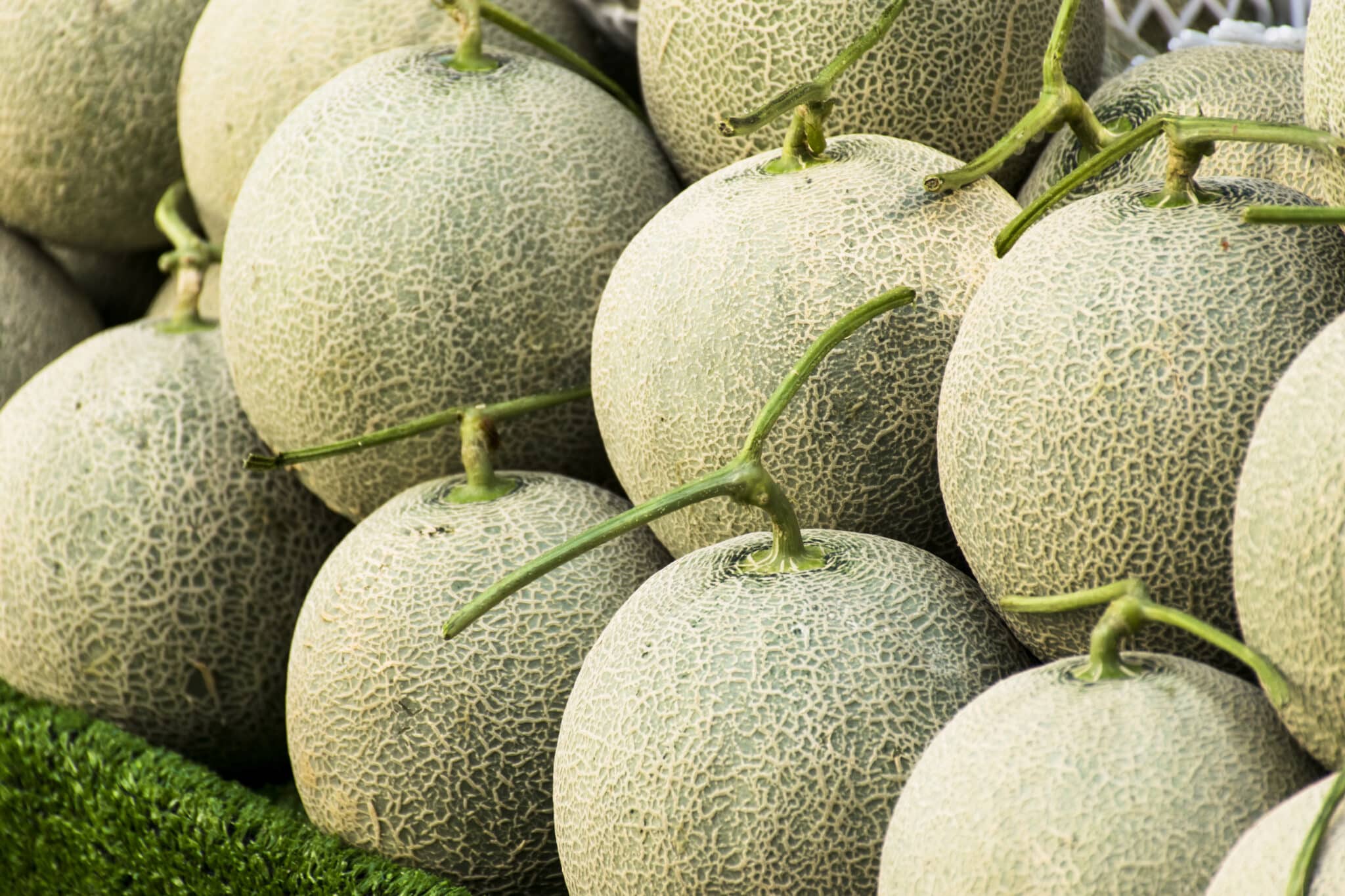
Before diving into the disasters, it helps to understand why cantaloupe keeps showing up as the culprit. The answer lies in that rough, netted skin — a bacterial superhighway. Pathogens that settle on the rind during growing, harvesting, or packing don’t stay there politely. The moment a knife slices through that rind into the sweet flesh, contamination hitches a ride directly to your plate.
As food safety experts have explained, cantaloupe is best understood as a “platform” for contamination rather than a fruit tied to any single organism. The rough rind, susceptibility to field contamination, difficulty of effective surface decontamination, and hazard posed by cutting all create a general vulnerability that Salmonella, Listeria, and E. coli are all too happy to exploit.
2011: The Deadliest Cantaloupe Outbreak in U.S. History
If there is a single watershed moment in the cantaloupe-outbreak saga, it is the summer and fall of 2011, when Jensen Farms in Holly, Colorado, shipped melons that would kill more than two dozen Americans.
The outbreak, which Food Poisoning News has called one of the deadliest foodborne illness outbreaks in U.S. history, ultimately resulted in 147 confirmed cases of Listeria illness across 28 states, with 33 deaths. Nearly every single confirmed patient — 99% — was hospitalized. Seven infections involved pregnant women or newborns, and at least one miscarriage was reported.
The culprit wasn’t a field flooded with contaminated irrigation water. It was the packinghouse. FDA investigators found pooling water on the floor, old hard-to-clean equipment, and a design that allowed truck tires — which had been in contact with a nearby cattle operation — to roll right into the packing area. The conditions were practically a Listeria incubator, and the melons traveled to grocery stores across the country before anyone knew what was happening.
The CDC didn’t officially announce the outbreak until September 12, 2011, by which time 15 people in four states were already confirmed sick. Within weeks, the numbers exploded. By the end of September alone, there were 84 cases and 15 deaths reported.
Legal accountability followed swiftly. Food Poisoning News reported that Ron Simon & Associates was one of the first firms to file suit, doing so on October 3, 2011 — less than a month after the outbreak was announced — on behalf of Cheryle Ferda, a registered nurse whose favorite food was, heartbreakingly, cantaloupe. She had been hospitalized on September 5th, the very same day Colorado health officials were collecting cantaloupe samples from victims’ homes. Ferda passed away on August 8, 2012, while her lawsuit was still pending.
Jensen Farms declared Chapter 11 bankruptcy in May 2012, complicating the litigation considerably. But Ron Simon pressed forward on behalf of surviving victims and families of the deceased. “The delay in justice for these families is unacceptable,” Simon said at the time, according to Food Poisoning News — a sentiment that would echo through cantaloupe litigation for years to come.
2012: Lightning Strikes Twice — Chamberlain Farms and Salmonella
You might think the industry would have been on high alert after the Jensen Farms catastrophe. And yet, the very next year, cantaloupe was back in the headlines.
In 2012, a multistate outbreak of Salmonella Typhimurium and Salmonella Newport infections was traced to cantaloupe from Chamberlain Farms in Indiana. Food Poisoning News has documented that the CDC ultimately confirmed 261 illnesses across 24 states, 84 hospitalizations, and three deaths in Kentucky. Laboratory testing found matching Salmonella Typhimurium in cantaloupes collected directly from the farm — this wasn’t speculation; the bacteria were physically in the product.
The 2012 outbreak was historically important not just for its death toll, but for what it proved: the cantaloupe problem wasn’t a Jensen Farms anomaly. It was a systemic vulnerability that a different pathogen, on a different farm, in a different state, could exploit just as effectively.
2022: Indiana Again, and the Mystery Strain
A decade later, cantaloupe was back in Indiana — and back in trouble. During the summer of 2022, 88 people fell ill with Salmonella after eating cantaloupe, and at least 32 required hospitalization.
Food Poisoning News reported that FDA investigators visited three Indiana farms and found Salmonella at all three locations — yet in a maddening twist, the strains detected didn’t match the specific outbreak strain that was making people sick. Investigators were never able to definitively identify the single contamination source. It was a reminder that even modern outbreak science, with all its genomic sequencing tools, doesn’t always deliver tidy answers.
2023: The Deadliest Salmonella Cantaloupe Outbreak in Recorded History
If the 2011 Listeria outbreak was a tragedy of domestic negligence, the 2023 Salmonella outbreak was a saga of international supply chains run amok — and it became the deadliest Salmonella cantaloupe outbreak on record.
The melons at the center of the storm were Malichita and Rudy brand cantaloupes, grown in Mexico and distributed across the United States and Canada. Food Poisoning News documented how the outbreak rapidly spread to over 200 confirmed illnesses spanning dozens of states, with a hospitalization rate that alarmed even seasoned public health officials. The pathogen was Salmonella Sundsvall, traced through Whole Genome Sequencing to a singular source that moved through multiple distributors — Sofia Produce (TruFresh) in Nogales, Arizona; Crown Jewels Produce in Fresno, California; and Pacific Trellis Fruit (Dulcinea) — before landing in grocery bins and restaurant fruit bowls across the country.
When all was counted, the outbreak caused 597 illnesses and 15 deaths, making it what Food Poisoning News described as “the most lethal Salmonella outbreak in recorded history” involving cantaloupes, with a fatality rate that underscored the fruit’s particular danger to elderly people and those with weakened immune systems.
The situation moved fast — and so did the lawyers. Food Poisoning News reported that Ron Simon, filing lawsuits on behalf of victims even as case counts were still climbing, described the geographic scope of the outbreak as staggering: it had already hit at least 32 states and was growing rapidly as positive stool cultures continued to confirm new cases. “Because many stores take cantaloupes and slice them up, serve them in the store, or repackage them,” Simon warned, “it’s not always easy to tell where the cantaloupe came from.”
The human stories behind the statistics were wrenching. Food Poisoning News detailed the case of a Texas woman who ate cantaloupe at a Chinese buffet restaurant in Burleson on November 10, 2023, and was gravely ill within 24 hours. A Pennsylvania woman who bought pre-sliced cantaloupe at Aldi’s wound up at UPMC Mercy hospital, testing positive for Salmonella Sundsvall. Meanwhile, Ron Simon & Associates filed at least five separate lawsuits on behalf of victims, including one involving a baby in Florida who required hospitalization. “Our hearts and prayers go out to the victims in this outbreak,” Simon said. “Unfortunately, I do not think we have seen the end of the harm an outbreak like this can cause.”
What Makes This Fruit So Relentless?
By now, you might be wondering: why hasn’t the industry fixed this? The answers are uncomfortable.
First, fresh produce — unlike processed food — has historically operated with fewer federal oversight requirements. The Food Safety Modernization Act, passed in 2011 (in no small part because of the cantaloupe and other fresh produce disasters of the prior decade), created new standards, but implementation has been slow and compliance has been uneven.
Second, cantaloupes are typically grown, harvested, packed, and shipped across state and international borders in a matter of days. When contamination happens at a farm or packinghouse, melons reach consumers before any outbreak is detectable. The incubation period for Listeria can be up to ten weeks — meaning patients can be seriously ill before investigators have even started looking.
Third, the supply chain has become genuinely global. The 2023 outbreak involved Mexican-grown cantaloupes moving through multiple U.S. distributors to grocery chains from coast to coast. Every handoff is a potential point of failure.
The Bottom Line
Cantaloupe is delicious, nutritious, and — when grown and handled responsibly — perfectly safe. But its track record over the past two decades is an unambiguous indictment of what happens when food safety shortcuts intersect with a product that carries inherent contamination risks.
The 2011 Listeria disaster, the recurring Salmonella outbreaks of 2012, 2022, and the catastrophic 2023 event all tell the same story: this is a solvable problem, and it keeps not being solved. Until growers, packers, distributors, and regulators treat cantaloupe with the same caution they’d apply to raw poultry, the fruit will keep making headlines — and lawyers like Ron Simon will keep having clients.
In the meantime, if you’re serving cantaloupe at home: wash the rind thoroughly before cutting, use a clean knife and cutting board, and refrigerate cut melon promptly. It’s not complicated. It’s just that, somewhere between the field in Mexico and your breakfast plate, someone with more responsibility than you often hasn’t bothered.
