


The Outbreak at a Glance
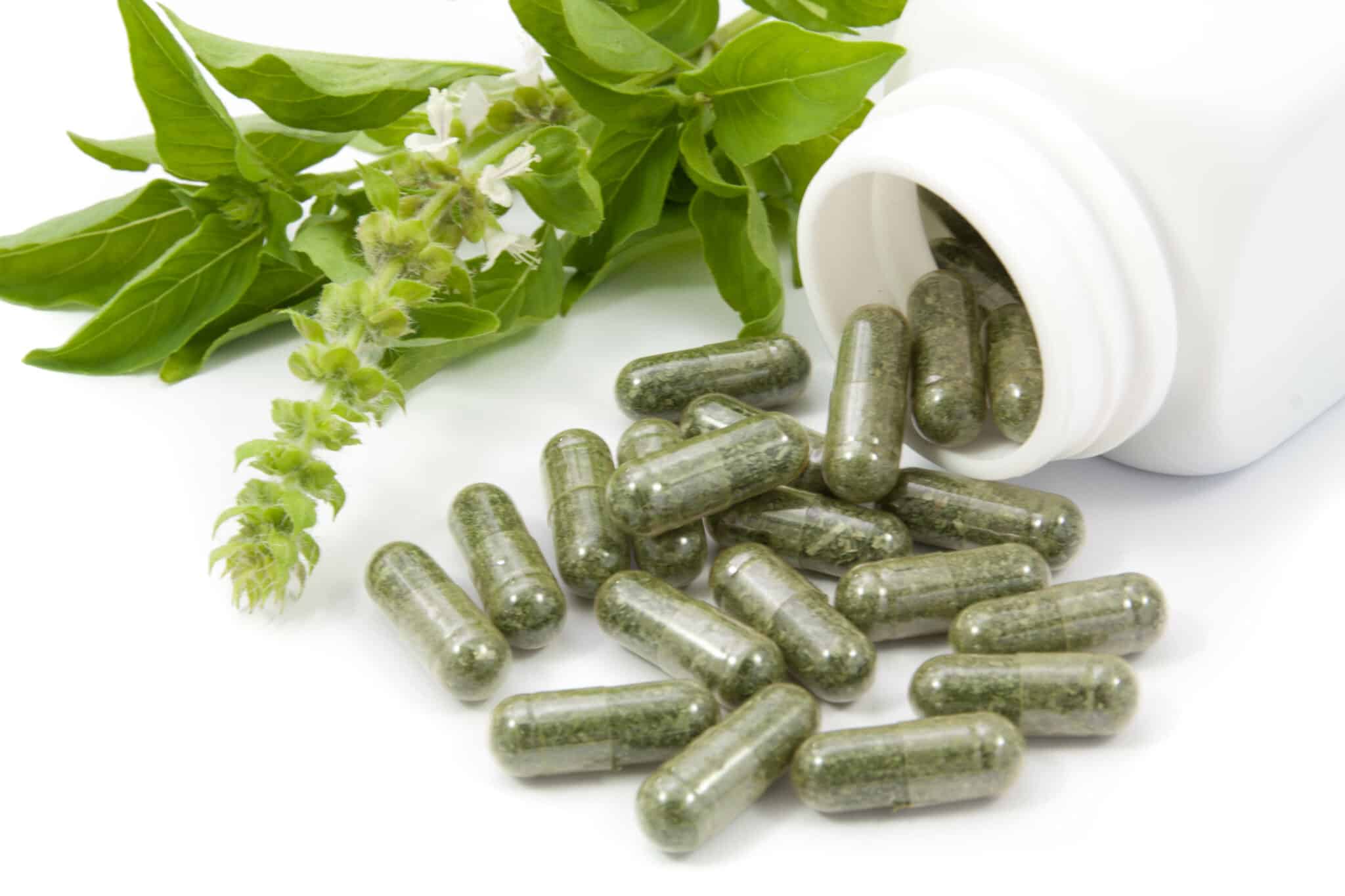
Between August 2025 and February 2026, a multistate outbreak of Salmonella infections linked to moringa leaf powder has sickened 97 people across 32 states, according to the U.S. Centers for Disease Control and Prevention (CDC). Twenty-six (26) people have been hospitalized. No deaths have been reported. The outbreak involved two strains of Salmonella, Typhimurium and Newport, and is linked to multiple dietary supplements containing moringa leaf powder, including Live it Up Super Greens powders and Why Not Natural Pure Organic Moringa Green Superfood capsules.
The illnesses started on dates ranging from August 22, 2025 to April 26, 2026. A total of 67 people were interviewed by public health officials, and 59 reported consuming a product containing moringa leaf powder. Among those, 55 reported consuming Live it Up Super Greens powders only, three reported consuming Why Not Natural moringa powder capsules only, and one person reported consuming both products.
How the Outbreak Was Identified
Federal and state health officials used a combination of epidemiologic, traceback, and laboratory data to identify moringa leaf powder as the source of the contamination. The CDC’s PulseNet system, a national network of public health and food regulatory agency laboratories, used whole genome sequencing (WGS) to compare the DNA fingerprints of Salmonella bacteria from sick people, from food samples, and from the environment. WGS showed that bacteria from the sick patients were closely related genetically, suggesting they had all been infected by a common source.
The FDA and state partners collected product and ingredient samples for analysis. The outbreak strains of Salmonella Typhimurium or Newport were detected in six samples. Specifically, the FDA found the outbreak strain of Salmonella Newport in two moringa leaf powder ingredient samples, and the outbreak strain of Salmonella Typhimurium in one opened product sample of Why Not Natural Pure Organic Moringa Green Superfood capsules. Additionally, three state partners detected the outbreak strain of Salmonella Typhimurium in three other samples.
Understanding Salmonella
Salmonella is a genus of bacteria that is one of the leading causes of foodborne illness, hospitalizations, and deaths in the United States and worldwide, according to the CDC. People infected with Salmonella typically develop diarrhea, fever, and abdominal cramps within six hours to six days of exposure to the bacteria. The illness usually lasts four to seven days, and most people recover without specific treatment.
However, in some individuals, the illness can be severe enough to require hospitalization. Children younger than five, adults 65 and older, and people with weakened immune systems are at greater risk of severe illness. In rare cases, Salmonella infection can spread from the intestines to the bloodstream and then to other sites in the body, leading to more serious illnesses such as arterial infections, endocarditis, and arthritis.
The Salmonella strains implicated in the 2026 outbreak, Newport and Typhimurium, were found to be “extensively drug‑resistant.” According to the CDC, the strain associated with this outbreak is resistant to all first‑line and alternative antibiotics typically used to treat Salmonella infections. This resistance significantly limits treatment options for patients who develop severe illness.
What Is Moringa Leaf Powder?
Moringa leaf powder is a dietary supplement derived from the dried and ground leaves of the moringa oleifera tree, which is native to the foothills of the Himalayas in northwestern India. The plant is sometimes called the “drumstick tree” or the “miracle tree” because of its purported nutritional and medicinal properties. In recent years, moringa leaf powder has become increasingly popular in the United States as a “superfood” ingredient added to green powders, smoothies, capsules, and other dietary supplements marketed for energy, immunity, and overall wellness.
The 2026 outbreak is not the first time moringa leaf powder has been linked to Salmonella contamination. An earlier outbreak, also linked to moringa leaf powder, sickened 11 people across seven states between May 12, 2025 and September 4, 2025. That outbreak was traced to a single lot of organic moringa leaf powder imported from Vallon Farmdirect PVT LTD of Johdpur, India. The imported powder was used in a variety of products, including Member’s Mark Super Greens dietary supplement powder sold at Sam’s Club, Food to Live Organic Moringa Leaf Powder, and Organic Supergreens Powder Mix. FDA’s traceback investigation identified a single lot of organic moringa leaf powder linked to illnesses in that outbreak.
Recalls and Continued Risks
The 2026 outbreak resulted in a cascade of recalls affecting multiple brands and products:
On October 31, 2025, the FDA announced a recall of all lots of Member’s Mark Super Greens dietary supplement powder after the product was linked to a multistate outbreak of Salmonella illnesses.
On January 29, 2026, a specific lot of Why Not Natural Organic Moringa Green Superfood capsules were recalled.
On February 13, 2026, Ambrosia Brands LLC recalled certain lots of Rosabella‑brand moringa powder capsules after testing positive for Salmonella Newport. That outbreak, which was separate from the larger 97‑case outbreak, involved an extensively drug‑resistant strain of Salmonella and resulted in three hospitalizations.
In May 2026, MOGO Moringa LLC voluntarily recalled two lots of its Pure Moringa Oleifera capsules after discussions with the FDA regarding possible Salmonella contamination. The recall was issued as a precaution after independent third‑party laboratory testing did not detect Salmonella in retained samples from the affected lots.
By the end of May 2026, the CDC reported that 22 new cases of Salmonella had been identified across four new states, with six additional hospitalizations. The new cases were linked to some lots of TNVitamins Moringa Capsules, which had also been recalled. The CDC urged consumers to check their homes for recalled products, because moringa supplements have a long shelf life and may still be present.
Why Dietary Supplements Pose a Unique Food Safety Risk
The 2026 moringa leaf powder outbreak highlights a broader issue in the dietary supplement industry. Unlike conventional foods, dietary supplements are not subject to the same pre‑market approval requirements as drugs. Under the Dietary Supplement Health and Education Act of 1994 (DSHEA), supplement manufacturers are responsible for ensuring that their products are safe before they are marketed, but the FDA is not authorized to review supplements for safety or effectiveness before they are sold to consumers.
Imported botanical ingredients, such as moringa leaf powder, are of particular concern because they may be grown, harvested, and processed under conditions that do not meet U.S. food safety standards. The FDA has limited capacity to inspect foreign suppliers, and contamination may not be detected until after products have been distributed and consumed. Whole genome sequencing has significantly improved the ability to link illnesses to a common source, but it cannot prevent contamination from occurring in the first place.
The recent moringa‑related outbreaks have brought attention to the need for greater transparency, testing, and oversight in botanical ingredient supply chains. The FDA has continued to screen imported moringa through sample collection, but a root cause for the contamination was not identified in any of the 2025 to 2026 outbreaks.
Analysis & Next Steps
What is new about the 2026 moringa leaf powder outbreak is the scale and persistence of the problem. Over a span of just nine months, at least three separate Salmonella outbreaks were linked to moringa leaf powder, sickening more than 100 people across dozens of states. The outbreaks involved multiple strains of Salmonella, multiple brands of supplements, and multiple importers and distributors, indicating that the contamination was not an isolated incident but rather a systemic vulnerability in the global supply chain for this botanical ingredient. The fact that some of the Salmonella strains were extensively drug‑resistant adds a layer of clinical urgency, because patients with severe infections may have few or no effective antibiotic treatment options.
Why this matters is because dietary supplements are often perceived by consumers as inherently safe or even health‑promoting. The 2026 outbreaks demonstrate that supplements can be contaminated with dangerous pathogens just as easily as conventional foods, and in some cases, with even fewer regulatory safeguards. Consumers taking moringa leaf powder for its purported health benefits were instead exposed to a drug‑resistant bacterium that can cause severe illness, hospitalization, and in rare cases, death. The outbreaks also underscore that the global supply chain for botanical ingredients is only as strong as its weakest link; contamination in a single facility or a single shipment can affect products sold under dozens of different brand names across the country.
So far there are 97 people confirmed ill in the largest outbreak, the additional patients in the other moringa‑related outbreaks, and their families. The true number of illnesses is likely much higher because many people with mild Salmonella infections do not seek medical care and are never tested. People with compromised immune systems, young children, older adults, and pregnant women are at greatest risk for severe outcomes. Consumers who take dietary supplements for chronic health conditions may be particularly vulnerable because they may be relying on these products as part of their daily health regimen and may be less likely to suspect the supplement as a source of illness.
What to do now requires action at multiple levels. For consumers, the most immediate step is to check homes for recalled moringa leaf powder products, including Live it Up Super Greens powders, Why Not Natural Moringa capsules, Rosabella Moringa capsules, MOGO Moringa capsules, TNVitamins and Doctor’s Pride Moringa capsules, and any other moringa‑containing supplements with lot numbers and expiration dates included in the various recall notices. Any recalled product should be discarded immediately, and surfaces that came into contact with the powder should be cleaned and sanitized. Anyone who has consumed a recalled product and develops diarrhea, fever, or abdominal cramps should contact a healthcare provider and inform them of the potential exposure. For the general public, the outbreak is a reminder that dietary supplements are not risk‑free and that consumers should research brands that have third‑party testing and quality assurance programs in place.
For the dietary supplement industry, the outbreaks highlight the strong need for rigorous supplier verification, finished product testing, and traceability throughout the supply chain. Importers of botanical ingredients should require certificates of analysis demonstrating that each batch has been tested for pathogens, and they should conduct their own independent testing as an additional safeguard. Companies should also establish recall plans that can be executed quickly when contamination is detected, given the long shelf life of powdered supplements.
For regulators, the findings support continued investment in import screening for high‑risk botanical ingredients and enhanced collaboration with international partners to improve safety standards at the source. The FDA should consider whether additional guidance or rulemaking is needed for manufacturers of dietary supplements that contain raw, unprocessed botanical ingredients. Congress may also wish to review whether the existing regulatory framework for dietary supplements provides adequate protection for consumers, particularly as the use of imported botanicals continues to grow. The most effective way to prevent future outbreaks is to prevent contamination from occurring in the first place, which requires a shared commitment to safety across the entire supply chain, from the farm fields of India and Ecuador to the supplement bottles sold on Amazon, Walmart, and Target.
