

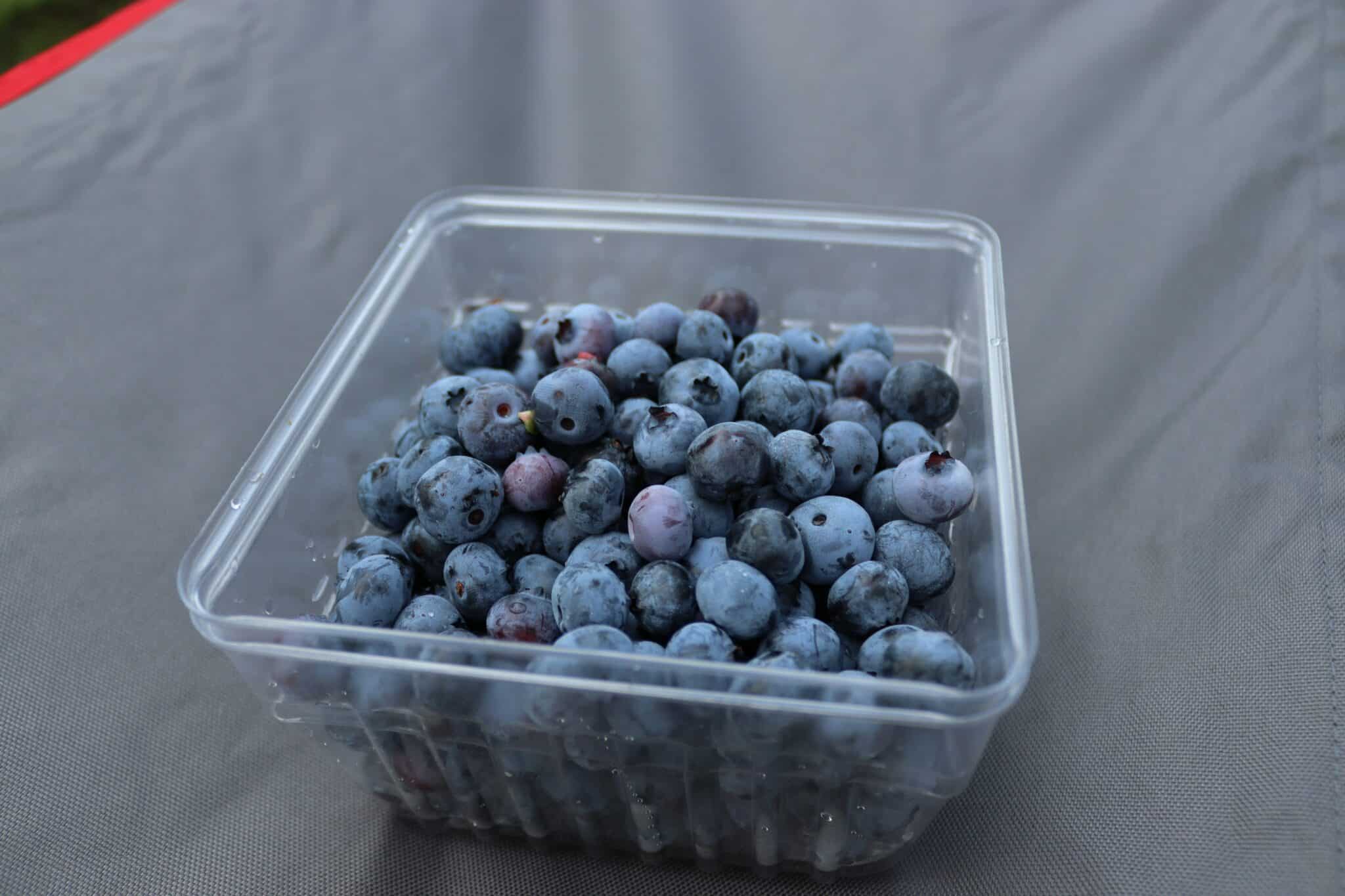

Most people don’t think twice before tossing a handful of frozen blueberries into a smoothie, baking them into muffins, or stirring them into oatmeal. Frozen fruit has long carried a reputation as one of the safest and healthiest foods in the freezer aisle. Unlike fresh produce, it’s washed, packaged, and frozen quickly after harvest, leading many consumers to believe that freezing somehow makes it safer.
This week serves as a reminder that freezing does not kill dangerous bacteria.
A recall involving GreenWise Organic IQF Frozen Blueberries sold at Publix stores across eight southeastern states has been linked to an outbreak of Escherichia coli O145:H28 infections. At least 12 people have become ill after consuming the berries, prompting a voluntary recall and a broader investigation into how the contamination occurred.
For consumers, the news may come as a surprise. Blueberries are often associated with antioxidants, heart health, and nutritious breakfasts—not foodborne illness. Yet outbreaks involving fresh and frozen produce have become increasingly common over the past decade, illustrating an important reality: bacteria do not care whether a food is marketed as healthy.
What We Know About the Recall
The recalled product is GreenWise Organic IQF Frozen Blueberries packaged in 10-ounce bags. The blueberries were distributed exclusively through Publix grocery stores in Alabama, Florida, Georgia, Kentucky, North Carolina, South Carolina, Tennessee, and Virginia. Only products bearing Lot Code 60401 and a Best By date of February 9, 2028 are included in the recall.
The berries were produced by Frutas y Hortalizas del Sur S.A., a company based in San Carlos, Chile. After reports emerged that multiple consumers had developed gastrointestinal illness after eating the blueberries, the company voluntarily initiated the recall while working with U.S. regulatory agencies to investigate the source of contamination.
So far, officials have connected the recalled blueberries to 12 confirmed cases of E. coli O145:H28 infection. Illnesses occurred between May 11 and early June, although recalls involving foodborne pathogens often happen weeks later because investigators must first identify a common source through interviews, laboratory testing, and traceback investigations.
That delay can be frustrating for consumers, but it reflects the complexity of modern food supply chains. Frozen products frequently remain in home freezers for months, meaning contaminated food may still be available long after illnesses first occur.
Why Frozen Fruit Isn’t Automatically Safe
One of the biggest misconceptions surrounding frozen foods is that freezing kills bacteria.
It doesn’t.
Freezing simply places bacteria into a dormant state. When contaminated food is thawed—or blended directly into smoothies without cooking—those bacteria can become active again once they enter a favorable environment.
This is particularly important for frozen berries because they are commonly eaten without any cooking step. Smoothies, overnight oats, yogurt bowls, fruit toppings, and desserts often use frozen blueberries exactly as they come out of the bag.
Unlike foods that are thoroughly heated before consumption, there is no “kill step” that eliminates pathogens.
That is why frozen produce has been associated with several notable outbreaks over the years involving viruses such as hepatitis A and bacteria including Listeria monocytogenes and Shiga toxin-producing E. coli. While these outbreaks remain relatively uncommon compared to the enormous volume of frozen fruit consumed each year, they demonstrate that freezing alone is not a food safety intervention.
Understanding E. coli O145:H28
Although many people recognize the name E. coli, not every strain causes disease. Most E. coli naturally live inside the human digestive tract and actually play helpful roles. The strain involved in this outbreak is different.
E. coli O145:H28 belongs to a group known as Shiga toxin-producing E. coli (STEC). These bacteria produce toxins capable of damaging the lining of the intestines and, in severe cases, the kidneys.
Symptoms generally begin three to four days after exposure, although they may appear anywhere from one to ten days later.
Many patients experience:
- Severe abdominal cramping
- Diarrhea that may become bloody
- Nausea
- Vomiting
- Fatigue
- Mild fever, although fever is often absent
Most otherwise healthy adults recover within about a week. Unfortunately, some patients—particularly young children, older adults, and individuals with weakened immune systems—can develop a dangerous complication called hemolytic uremic syndrome (HUS).
HUS damages small blood vessels throughout the body, especially in the kidneys. It can lead to kidney failure, anemia, low platelet counts, seizures, stroke, or even death if not treated promptly.
Warning signs include decreased urination, unusual bruising, extreme fatigue, swelling, and pale skin. Anyone experiencing bloody diarrhea or symptoms suggesting dehydration or kidney injury should seek immediate medical care.
How Does Fruit Become Contaminated?
Many consumers associate E. coli with undercooked hamburger, but produce has become an increasingly important source of outbreaks. Blueberries can become contaminated at multiple points before they ever reach grocery store shelves.
Agricultural water used for irrigation may contain animal waste. Wildlife may enter growing fields. Equipment may spread contamination between batches. Improper worker hygiene or contaminated wash water can also introduce pathogens. Once contamination occurs, freezing preserves both the fruit and, unfortunately, any bacteria that happen to be present.
Modern food production depends on enormous distribution networks that can move a single harvest across multiple states within days. While this creates year-round access to fresh and frozen produce, it also means that contamination occurring at one point in production can affect thousands of households across a large geographic area.
Fortunately, traceback investigations have become increasingly sophisticated. Public health agencies now combine patient interviews, genetic fingerprinting through whole genome sequencing, laboratory testing, and supply chain records to identify outbreak sources much faster than they could even a decade ago.
What Consumers Should Do Right Now
Consumers should look for the recalled 10-ounce package, Lot Code 60401, and Best By February 9, 2028. If the product matches those identifiers, it should not be eaten.
Instead, consumers should discard the berries or return them to Publix for a refund. Simply washing frozen fruit will not reliably remove bacteria like STEC once contamination has occurred.
If you’ve already eaten the recalled blueberries, there’s no reason to panic. Most people exposed will never become seriously ill. However, anyone who develops severe stomach cramps, bloody diarrhea, persistent vomiting, or signs of dehydration should contact a healthcare provider immediately. Early medical evaluation is especially important for children, older adults, and those with weakened immune systems.
Consumers should also avoid taking antibiotics or anti-diarrheal medications unless specifically instructed by their physician, as certain treatments may increase the risk of complications with STEC infections.
A Reminder That Healthy Foods Can Still Carry Risk
Foodborne illness does not discriminate between processed foods and organic foods.
The GreenWise label emphasizes natural ingredients and organic production, but neither organic certification nor premium branding eliminates the possibility of bacterial contamination. Organic farms are subject to food safety standards just like conventional farms, yet environmental contamination remains possible in any agricultural system.
This outbreak also highlights an important challenge for modern consumers. Frozen fruit often stays in household freezers for many months. Someone who bought these blueberries weeks ago may not hear about the recall until long after purchase.
For that reason, consumers should pay attention to recall announcements and periodically check frozen foods against published recall information before using products that have been sitting in the freezer for an extended period.
The Bigger Picture
Fresh and frozen produce continues to make up a growing share of foodborne illness investigations. Advances in laboratory technology now allow investigators to connect illnesses that once would have appeared unrelated, meaning outbreaks are identified more accurately than ever before.
That is ultimately good news for consumers.
Every investigation provides valuable information about where contamination occurred and how future outbreaks might be prevented. Whether improvements involve agricultural water quality, harvesting practices, sanitation procedures, or supply chain monitoring, each recall contributes to strengthening food safety systems.
For now, consumers who purchased the affected GreenWise blueberries should check their freezers carefully. While most frozen fruit remains perfectly safe to enjoy, this outbreak serves as an important reminder that even foods widely regarded as healthy deserve the same food safety attention as any other item in the kitchen.
When recalls happen, acting quickly—before symptoms ever develop—is one of the simplest and most effective ways to protect yourself and your family from serious foodborne illness.
