

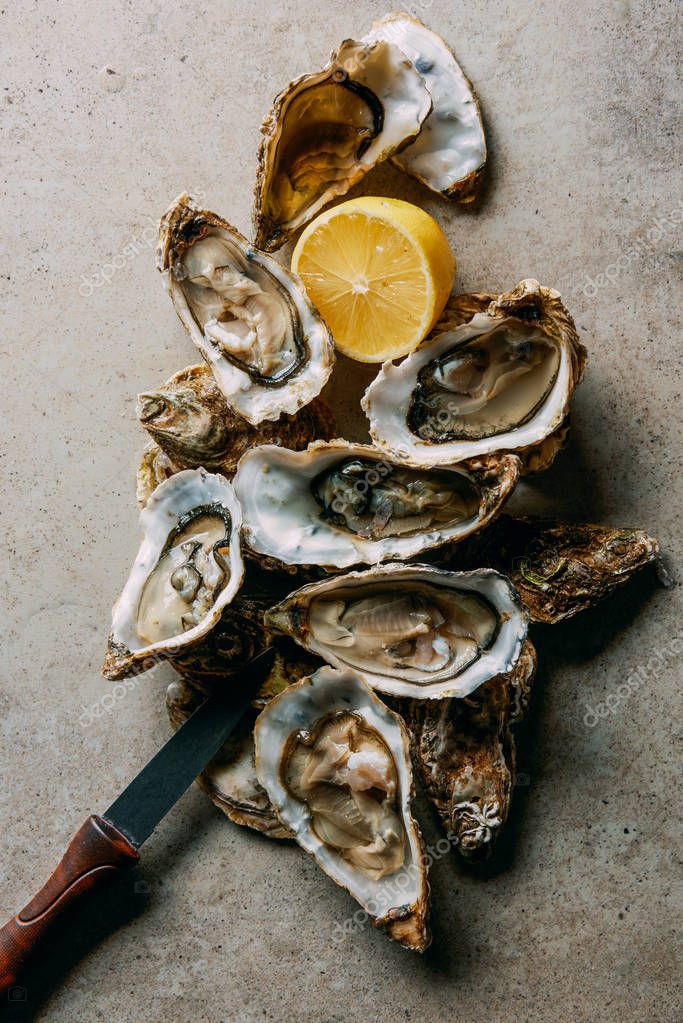

Federal and state health authorities have issued a safety alert for whole (shellstock) oysters harvested from the Little Wicomico River in Virginia, following a multistate outbreak of Salmonella Telelkebir infections linked to the product. The recall covers oysters from Little Wicomico Oyster Company harvested between September 18 and October 8, 2026. The product was distributed to restaurants and retailers in California, Colorado, Connecticut, the District of Columbia, Florida, Georgia, Illinois, Maryland, Missouri, North Carolina, New Jersey, Nevada, New York, Pennsylvania, Texas, and Virginia, and may have been distributed to additional states.
As of the latest update on October 19, 2026, the Centers for Disease Control and Prevention (CDC) reports 27 confirmed illnesses across 12 states, with five hospitalizations. Pennsylvania has reported the highest number of cases, followed by New York and Virginia. The Virginia Department of Health closed the Little Wicomico River to shellfish harvesting effective October 9, 2026, and the oyster company has voluntarily halted harvesting from the affected area and is cooperating with public health officials. Oysters harvested from other Virginia growing areas are not part of the recall.
The FDA advises consumers, restaurants, and retailers not to eat, sell, or serve the recalled product and to clean and sanitize any surfaces or containers that may have touched the oysters. The agency notes that food contaminated with Salmonella may look, smell, and taste normal, a characteristic that complicates detection for consumers and food service operators alike.
What Salmonella Is and How It Presents
Salmonella are bacteria that cause an illness called salmonellosis, which primarily manifests as acute gastroenteritis. The CDC describes the hallmark symptoms as sudden-onset diarrhea, which may be bloody or mucoid; abdominal cramps; and fever, which is usually present. Nausea, vomiting, and headache occur less frequently. Symptoms generally begin within 6 hours to 6 days after infection and usually resolve within 4 to 7 days. The FDA’s alert for the Virginia oysters places the onset window at 12 to 72 hours after consumption.
Most patients require only supportive care, chiefly rehydration. Antibiotic treatment is reserved for severe infections and for patients at elevated risk of invasive disease. The CDC notes that diarrhea may last for several days and can lead to potentially severe dehydration, particularly in young children and older adults. Even after clinical symptoms are no longer obvious, Salmonella may be found in stool for several weeks. A less common subset of patients experiences diarrhea lasting weeks or months, or periods of relief followed by relapse.
What Makes Salmonella Dangerous
While many Salmonella infections resolve without specific treatment, the organism carries several features that make it a persistent public health threat.
- Invasive infection – In approximately 8% of laboratory-confirmed cases, Salmonella spreads beyond the intestines to normally sterile sites such as the blood, bone, joints, or the membranes lining the brain and spinal cord. These invasive infections, bacteremia, meningitis, osteomyelitis, and septic arthritis, occur most commonly among young children, older adults, and people with compromised immune systems, and can be severe or life-threatening.
- Reactive arthritis – A subset of patients develops reactive arthritis, a joint pain condition that can persist for months or years and lead to chronic arthritis. It is most frequently observed in people between 15 and 35 years of age and may be accompanied by irritated eyes and pain during urination. A meta-analysis of non-typhoidal Salmonella cases estimated the proportion developing reactive arthritis at 5.8%.
- Prolonged shedding and long-lasting diarrhea – Even after acute symptoms resolve, Salmonella may be found in stool for several weeks, and a less common subset of patients experiences diarrhea lasting weeks or months.
- Antimicrobial resistance – Some Salmonella strains are becoming less susceptible to essential antibiotics, making antimicrobial susceptibility testing increasingly necessary to guide treatment decisions. National Antimicrobial Resistance Monitoring System data show that 9.4% of non-typhoidal Salmonella isolates were resistant to three or more antimicrobial classes, with multidrug resistance most pronounced among Salmonella Typhimurium and Salmonella Newport serotypes.
A Recurring Pattern: The 2025 Salmonella Telelkebir Outbreak
The strain identified in the 2026 Virginia oyster recall, Salmonella Telelkebir, was the subject of a separate, larger multistate investigation in late 2025 and early 2026. As of December 23, 2025, the CDC reported 64 people infected with the outbreak strain across 22 states, with 20 hospitalizations. The investigation ultimately concluded on February 24, 2026, with a final tally of 80 cases across 23 states, 34 hospitalizations, and no deaths. Illness onset dates ranged from June 21 to December 22, 2025. The case distribution included Pennsylvania, New York, New Jersey, Virginia, Florida, Georgia, and Massachusetts, among others.
The recurrence of the same serotype in a different harvest area less than a year later indicates that Salmonella contamination of shellfish is not an isolated event but a recurring vulnerability in the supply chain. The 2026 recall represents a smaller, more geographically concentrated event than its 2025 predecessor, but it follows the same pathway: a filter-feeding bivalve grown in coastal waters, harvested for raw consumption, and distributed across state lines before contamination is detected.
Shellfish as a Vehicle for Bacterial and Viral Pathogens
Bivalve shellfish, including oysters, clams, and mussels, filter large volumes of water and can concentrate microorganisms from their growing environment, making raw or undercooked consumption a recurring pathway for foodborne disease.
Vibrio vulnificus – Vibrio vulnificus is a waterborne and foodborne pathogen that lives in estuarine environments and thrives in warmer waters. It can infect open wounds through contact with salt water, brackish water, or raw seafood, and infections can also occur after consuming raw or undercooked seafood. During July and August 2023, 11 cases of severe V. vulnificus infection were reported among residents of North Carolina, Connecticut, and New York following a period of heat waves and elevated sea surface temperatures. Four patients experienced septic shock, and five died. The CDC notes that 150 to 200 V. vulnificus infections are reported annually, approximately 20% of which are fatal. Vibrio vulnificus does not alter the appearance, smell, or taste of oysters.
Norovirus in imported and domestic oysters – In 2025, the FDA issued multiple advisories regarding oysters potentially contaminated with norovirus. A Louisiana-based oyster farm and shellfish company issued a recall of oysters harvested after January 10, 2025, after the contaminated product reached 19 states, including Florida, Alabama, New York, Vermont, and Minnesota. There were at least 266 reported illnesses associated with that outbreak. Norovirus is the leading cause of shellfish-associated illness in the United States, and illnesses attributable to shellfish consumption occur with higher frequency from late fall through winter.
Historical typhoid transmission – The connection between shellfish and enteric disease extends back more than a century. Salmonella Typhi, the causative agent of typhoid fever, was a significant public health problem among consumers of raw molluscan shellfish in the early twentieth century. The development of effective sewage treatment and a national shellfish sanitation program eventually eliminated shellfish-associated typhoid fever in the United States, though the historical record demonstrates how environmental contamination of harvest waters can translate into widespread human illness.
Large-Scale Salmonella Outbreaks Beyond Shellfish
The Virginia oyster recall represents a localized event within a broader pattern of Salmonella outbreaks that have affected far larger populations through other food vehicles.
The 1985 Hillfarm Dairy milk outbreak – One of the largest recorded Salmonella outbreaks in U.S. history was traced to pasteurized low-fat milk produced at a single dairy plant in Melrose Park, Illinois, a supplier of Jewel food stores. The outbreak involved Salmonella Typhimurium resistant to multiple antibiotics. There were more than 17,000 culture-confirmed cases across Illinois, Indiana, Michigan, and Iowa, and at least six deaths. Investigators suspected that tainted raw milk entered the dairy’s piping system through a cross-connection and was inadvertently blended with milk that had already been pasteurized. The plant closed in April 1985 and did not reopen.
The 1994 Schwan’s ice cream outbreak – An estimated 224,000 people nationwide developed salmonellosis after consuming ice cream produced by Schwan’s, making it the largest common-source Salmonella outbreak ever recognized in the United States. The vehicle was not the ice cream itself but the premix: tanker trailers that hauled the pasteurized base to the Marshall, Minnesota, plant had previously hauled unpasteurized liquid egg, and the base was not re-pasteurized after transport. Investigators isolated the outbreak strain from ice cream products but from none of the environmental samples taken inside the plant or from the tankers.
The 2024 cucumber outbreak – A multistate outbreak of Salmonella Africana and Salmonella Braenderup infections linked to cucumbers resulted in 551 reported illnesses across 34 states and the District of Columbia, with 155 hospitalizations and no deaths. Illnesses started on dates ranging from March 11 to July 26, 2024. Epidemiologic, traceback, and laboratory data showed that cucumbers were contaminated with Salmonella and made people sick.
The 2025 egg outbreak – An outbreak of Salmonella Enteritidis linked to eggs distributed by Country Eggs, LLC resulted in 105 infections across 14 states, 19 hospitalizations, and no deaths. Illnesses started on dates ranging from January 7 to August 14, 2025, and the outbreak was declared over on November 20, 2025.
Prevention and the Limits of Individual Action
The FDA’s guidance for the recalled Virginia oysters is straightforward: do not eat, sell, or serve the product, and dispose of it or arrange for destruction through the distributor. For shellfish generally, cooking to an internal temperature of 145°F for at least 15 seconds is the only reliable method to kill Salmonella and Vibrio in oysters.
However, the recurrence of shellfish-associated outbreaks and the persistence of large-scale Salmonella events in pasteurized dairy, produce, and eggs indicate that individual food handling practices, while necessary, are not sufficient. The 1985 milk outbreak occurred in a pasteurized product from a licensed plant supplying a major grocery chain. The 1994 ice cream outbreak resulted from a cross-contamination failure in bulk transport. The cucumber outbreak was linked to a widely distributed produce item that was consumed raw. Each event points to systemic vulnerabilities in production, transport, and environmental management that extend beyond the point of consumption.
The CDC advises that consumers should call a healthcare provider right away if they experience diarrhea and a fever higher than 102°F, diarrhea for more than two days that is not improving, bloody diarrhea, so much vomiting that they cannot keep liquids down, or signs of dehydration such as not urinating much, dry mouth and throat, or dizziness when standing up.
The Virginia oyster recall is the most recent illustration of how a single harvest area can generate illnesses across more than a dozen states within weeks. The investigation remains active, and the Virginia Department of Health has stated that oysters harvested from other Virginia growing areas are not part of the recall. For public health officials, the event adds to a documented record of shellfish-borne Salmonella and other enteric pathogens that requires continued surveillance of harvest waters, adherence to post-harvest handling standards, and clear communication of risk to consumers and retailers.
