

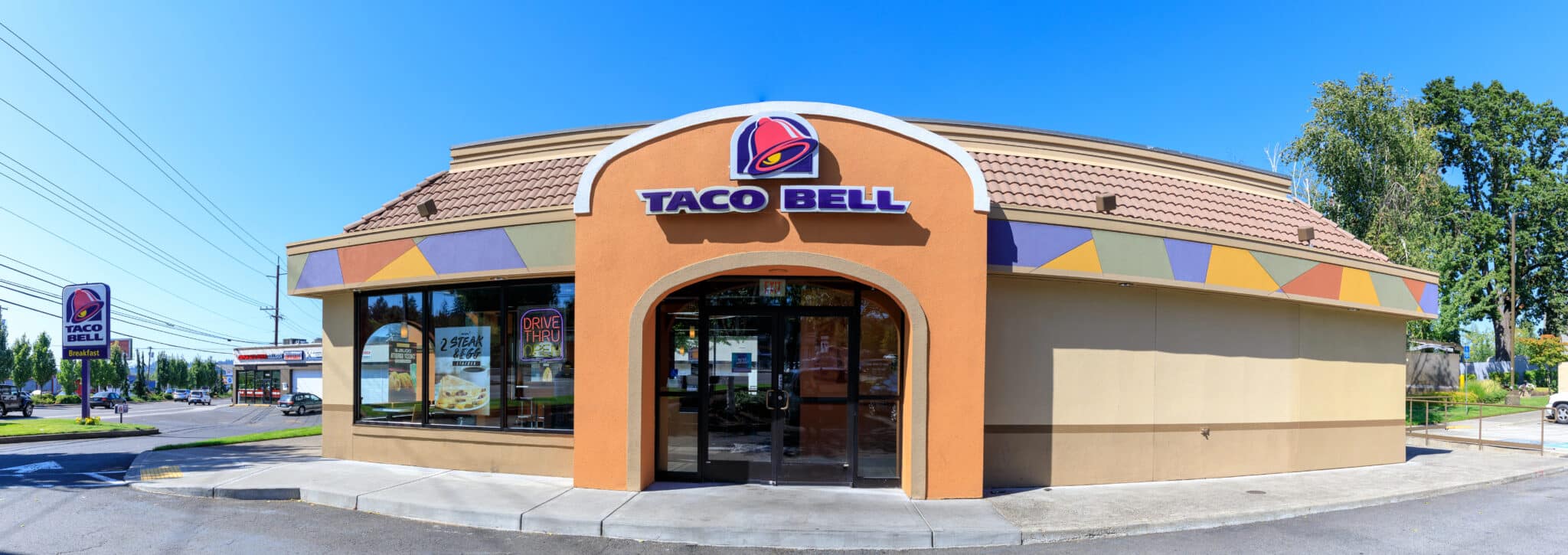

SOUTHFIELD, Michigan — Ella-Salone Jones ordered the same thing she always ordered. Beef tacos with shredded lettuce, from the Taco Bell she had been going to for years in Southfield. She bought that meal at least three times in late June and early July.
Weeks later, she was still in a hospital isolation room, unable to keep food down, with a parasite in her intestines and an acute kidney injury layered on top of the Stage 5 kidney disease she already lives with.
Jones is one of hundreds of people now represented by food safety attorney Ron Simon and his firm, Ron Simon & Associates, in claims against Taco Bell and Taylor Farms arising from the largest cyclosporiasis outbreak in U.S. history — an outbreak that has hit Michigan harder than any other state.
What Happened to Ella-Salone Jones
Jones, 55, of Southfield, began feeling severely ill on July 6. By July 11 she was rushed to Corewell Health Hospital and admitted for intensive care. After a battery of tests, her doctors identified the cause: she had tested positive for cyclospora. She was placed in isolation for treatment of the parasite and for the acute kidney injury it had triggered.
The symptoms were relentless. Jones told CBS News Detroit she was making 30 to 40 trips to the bathroom a day. “They won’t let me go home because I can’t hold anything,” she said. “I have Stage 5 kidney disease, and if my kidneys dry up, I can pass.”
Her recovery has been complicated by a problem most cyclospora patients don’t face. The standard treatment for the infection is Bactrim, a sulfa antibiotic — and Jones cannot take it because of her underlying condition. “They had to find something that can help me, and they don’t even really know if it’s helping me,” she said. Simon put it more bluntly: her doctors have been forced to “use less efficient medicines to try to get her cyclospora under control, and so far it has not been successful.”
The costs have piled up alongside the medical crisis. Jones has reported roughly $100,000 in medical bills. Her family also canceled a Disney World trip with her three children that they had been planning for a year and a half. “I had a vacation for my children, and I can’t take them now,” she said.
Jones has urged anyone with persistent symptoms to seek medical attention rather than wait it out.
The Outbreak Behind Her Illness
Jones’s case is one thread in a national outbreak that federal investigators have traced to shredded iceberg lettuce grown in central Mexico by Taylor Farms de Mexico and served at Taco Bell restaurants.
The CDC, FDA, and state health officials are investigating Cyclospora infections across nine states — Illinois, Indiana, Kansas, Kentucky, Michigan, Ohio, Oklahoma, Pennsylvania and West Virginia. As of the CDC’s July 24 update, 1,947 people infected with Cyclospora who reported eating at Taco Bell have been identified across those nine states, with illness onset dates from June 22 through July 20, 2026. At least 98 of them were hospitalized. No deaths have been reported.
Those figures capture only a fraction of the illness. Health departments in the nine affected states have logged more than 12,000 cyclosporiasis cases this summer, the majority of them in Michigan. Michigan alone reported 8,176 cases and 160 hospitalizations as of late last week. The CDC notes that the true count is almost certainly higher still, because many people recover without ever being tested, and because it can take up to six weeks to confirm whether a case belongs to the outbreak.
The link to lettuce came out of patient interviews. The Michigan Department of Health and Human Services analyzed food exposure details from 190 cases in which people reported eating at Taco Bell, and found that 90 percent of those interviewed had eaten iceberg lettuce. The FDA has described the epidemiological evidence pointing to Taylor Farms as “overwhelming.”
On July 17, 2026, Taylor Farms de Mexico announced it was pulling all iceberg lettuce sourced from central Mexico from the U.S. market and initiated a recall covering Marketside-brand product sold at Walmart along with products distributed to food service customers. Taco Bell pulled lettuce from its menu ahead of the recall.
Ron Simon & Associates’ Role
Ron Simon & Associates has been at the front of the litigation emerging from the outbreak. On July 17, 2026, the firm — together with DiCello Levitt & Casey LLC of Ohio — filed the first cyclospora lawsuit arising from the outbreak, in Mahoning County, Ohio, on behalf of David Ott, a 27-year U.S. Army veteran.
The firm now represents hundreds of people who say they were sickened, with clients concentrated in Michigan and Ohio. Simon has said that roughly 10 to 20 percent of his firm’s outbreak clients have required hospitalization — a rate that speaks to how severe this particular outbreak has been.
Jones is not the firm’s only Michigan client. Ron Simon & Associates also represents Detroit resident Cammal Ogletree, 53, who ate at a Taco Bell in Allen Park on June 15, cycled through urgent care and two emergency room visits, and was finally admitted to Henry Ford Providence Southfield Hospital on July 6 for a three-day stay after testing positive for cyclospora.
The firm has set up a Taco Bell Cyclospora Claim Center for victims of the outbreak, reachable at 1-888-335-4901 or through ronsimonassociates.com.
The Testing Controversy
The investigation has taken some confusing turns publicly. The FDA initially said testing appeared to detect cyclospora in a sample of shredded lettuce supplied by Taylor Farms, then reversed that finding, calling it a false positive and saying the parasite had not been identified in the lettuce samples tested so far. Separately, Mexican health authorities announced that ten iceberg lettuce samples and four water samples collected at the Taylor Farms plant in Guanajuato during a July 18-20 visit tested negative for the parasite.
Simon argues that neither result tells anyone much, because investigators are testing the wrong lettuce. “By the time the investigators find out about the outbreak, the implicated product is already gone, and I think that’s what we saw in this case,” he said. “They’re testing lettuce that is the lettuce produced now, not the lettuce that made people sick a month ago.”
That reasoning tracks the epidemiology. Cyclospora has a long incubation period, so the contaminated crop would have been harvested, shipped, served and eaten weeks before the first cases were even identified. The FDA has said its correction does not change the basis for its outbreak investigation or the recall already underway.
Why Cyclospora Hits So Hard
Cyclospora is a microscopic parasite that spreads through food or water contaminated with human feces, most often when produce is irrigated or washed with contaminated water. It clings to fresh produce and is notoriously difficult to wash off. Infection causes prolonged, sometimes explosive diarrhea, along with cramping, nausea, fatigue, and weight loss, and without treatment can last 30 to 60 days.
It is also easy to miss. Cyclospora does not appear on the standard ova-and-parasite stool test used in the United States; a doctor has to order a specific Cyclospora screen. Patients in this outbreak have described being sent home from urgent care and emergency departments repeatedly before anyone tested for the right thing.
For patients like Jones, with serious underlying illness, a prolonged dehydrating infection is not merely miserable — it is dangerous. Her hospitalization has been driven as much by the strain on her kidneys as by the parasite itself.
A Company With a History
A central allegation in the litigation is that this was foreseeable. In 2013, a Taylor Farms salad mix contaminated with Cyclospora sickened 631 people across 25 states, with the CDC and FDA linking restaurant illnesses in Iowa and Nebraska — many at Olive Garden and Red Lobster — to bagged salad mix from Taylor Farms de Mexico.
That history appears in other suits filed this month. A federal lawsuit brought by a Michigan couple who live near Durand alleges that Taylor Farms had prior knowledge of the risks of Cyclospora contamination given previous outbreaks involving its produce, and that Taco Bell exercised control over its food supply chain and approved the suppliers used by its restaurants. A separate class action alleges the companies sold adulterated iceberg lettuce unfit for human consumption and failed to warn consumers.
Taylor Farms has said it is “deeply concerned for those who became ill, their families, and the many Americans whose trust in the safety of their fresh produce has been shaken.” Taco Bell has said it will stop using lettuce from the recalled supplier and is offering refunds. The FDA has noted that not all Taco Bell locations in the affected states received the implicated lettuce.
What Southfield Residents Should Know
The investigation into the source of the outbreak remains ongoing, and the allegations in the pending lawsuits have not been proven in court.
For residents of Southfield and the surrounding Detroit metro area, the practical guidance is straightforward. Do not eat recalled Taylor Farms iceberg lettuce; throw it out or return it. And if you ate at a Taco Bell since mid-May and have had diarrhea lasting more than a few days, tell your doctor about the exposure and ask specifically for a Cyclospora test — the routine stool panel will not find it.
