

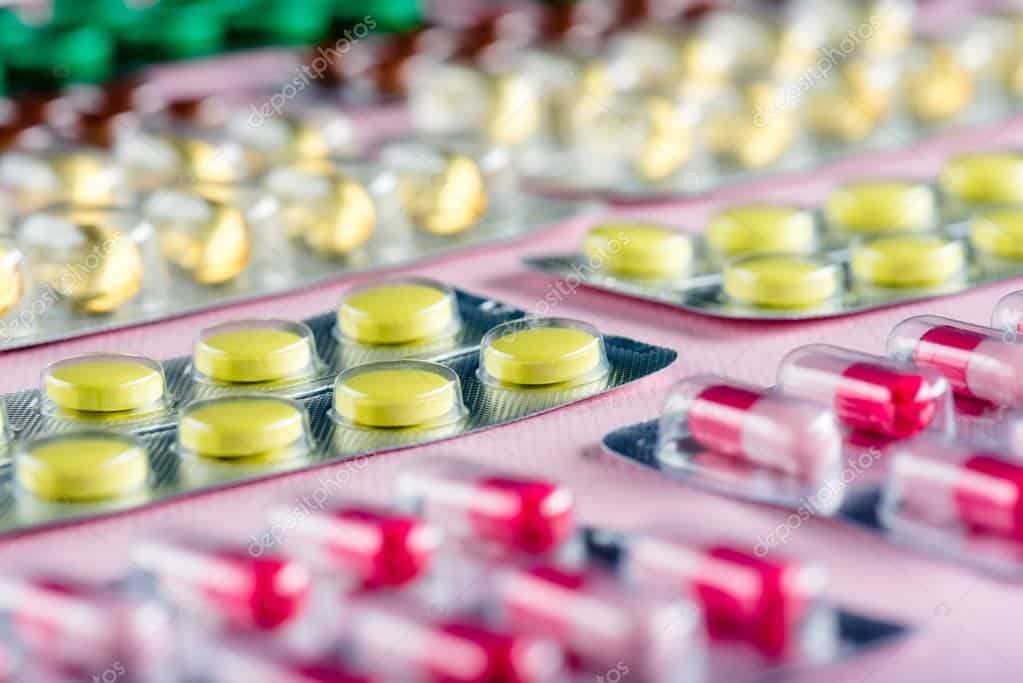

For most of modern history, antibiotics have been the quiet heroes of medicine. They’ve turned once-deadly infections into routine inconveniences and transformed everything from surgery to childbirth into far safer endeavors. Yet beneath the surface of our confidence lies a problem many people don’t see coming — one that scientists warn could become the defining medical crisis of the 21st century.
Antibiotics are becoming less effective. And the consequences could reshape healthcare as we know it.
The Rise of the Untreatable Infection
The issue isn’t that antibiotics suddenly “stopped working,” but that bacteria have outsmarted them. Bacteria evolve quickly — far faster than humans — and every time antibiotics are used, a few resilient bacterial cells survive. Those survivors multiply, forming new strains that are harder to treat. This is how antibiotic-resistant superbugs are born.
In hospitals today, doctors are already encountering cases where the strongest antibiotics barely make a dent. Some infections — like certain strains of gonorrhea, tuberculosis, and E. coli — have become notoriously difficult to treat. In worst-case scenarios, physicians are forced to use older, harsher medications with severe side effects, or combinations of drugs that essentially act as a last line of defense.
How Did We Get Here?
It’s a perfect storm of overuse, misuse, and agricultural dependence.
- In medicine: antibiotics are often prescribed “just in case,” even for viral infections like colds where they have zero effectiveness.
- In agriculture: for decades, antibiotics have been fed to livestock not only to treat illness but to help animals grow faster — a practice that fuels resistance on a massive scale.
- Globally: inconsistent access to healthcare means antibiotics are sometimes purchased without prescriptions, taken incorrectly, or not completed, all of which accelerate bacterial evolution.
The result? Resistant bacteria spread across countries and continents as easily as people do. Air travel, imported foods, and global trade move microbes faster than ever.
Why This Matters for Everyday Life
Most people think antibiotic resistance is a distant issue affecting hospitals. But imagine:
- A simple urinary tract infection requiring hospitalization
- A routine surgery carrying life-threatening infection risks
- Cancer treatments — which rely on antibiotics to protect patients with weakened immune systems — becoming increasingly dangerous
Without effective antibiotics, the foundation of modern medicine begins to crumble.
The Hope: Innovation & Smarter Use
Despite the urgency, there is good news. Scientists are racing to develop alternative treatments — from bacteriophage therapy (using viruses that attack bacteria) to engineered peptides, probiotics, and even CRISPR-based antimicrobials.
Hospitals are adopting stricter “antibiotic stewardship programs” to ensure these life-saving drugs are used only when necessary. Farmers are phasing out growth-promotion antibiotics. And public health campaigns are teaching people the importance of finishing prescriptions and avoiding unnecessary antibiotic use.
A Crisis We Can Still Prevent
Antibiotic resistance isn’t a sudden catastrophe — it’s a slow burn. And that means we still have time to act. But doing nothing would return us to a world where a minor scrape can become a deadly infection, and where medical procedures we take for granted carry enormous risks.
The era of easy antibiotics may be ending, but the story isn’t over. With innovation, responsible use, and global cooperation, we can keep superbugs in check — and preserve the power of these remarkable drugs for generations to come.
