

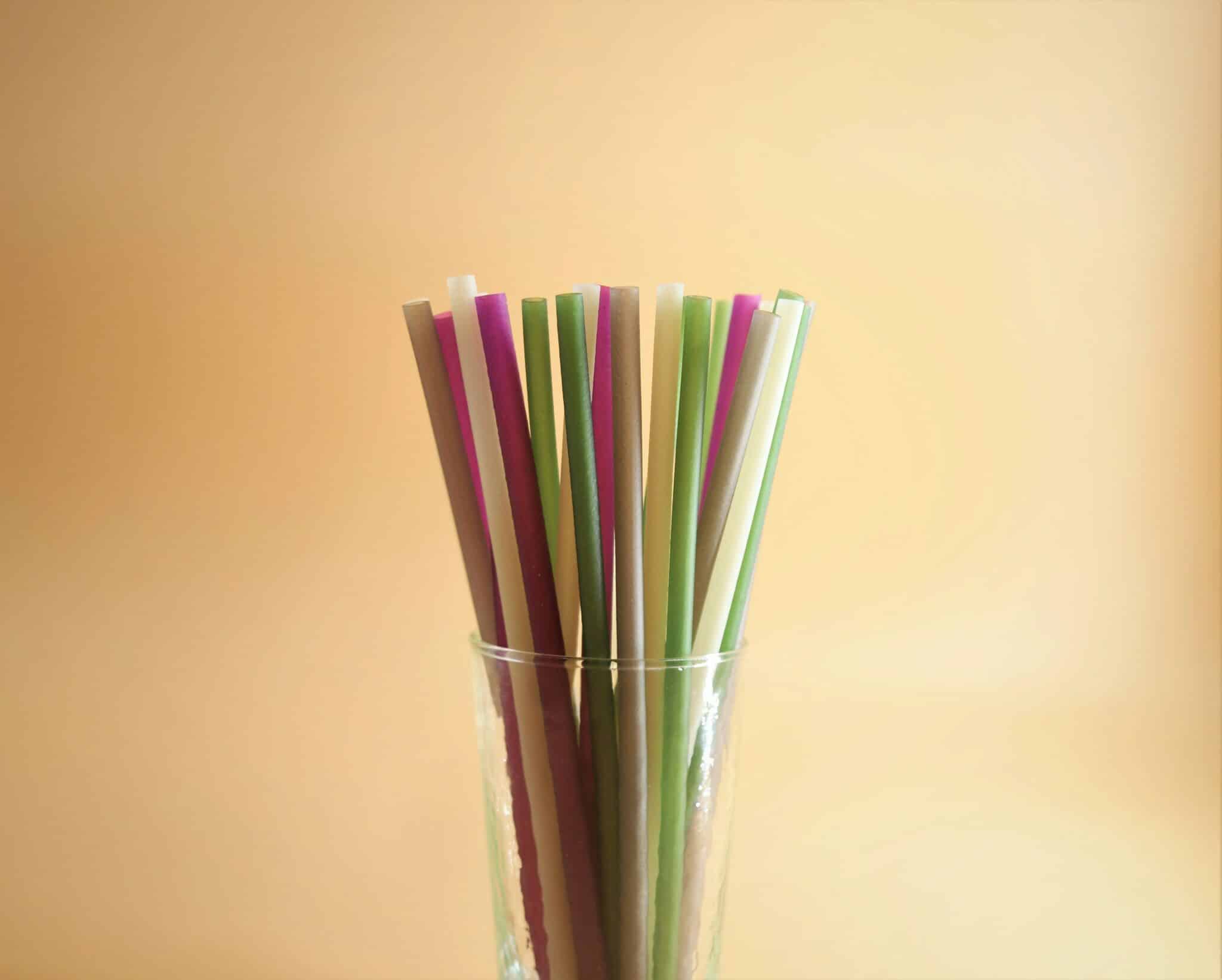

Are Your Reusable Straws a Breeding Ground for Germs?
In the growing push for eco-friendly alternatives to single-use plastics, reusable straws have emerged as a popular choice among sustainability-conscious consumers. Whether made from stainless steel, silicone, glass, or bamboo, these durable sippers are marketed as environmentally responsible. But beneath the surface of this green trend lurks a less-talked-about concern: are your reusable straws harboring harmful bacteria and potentially making you sick?
The Hygiene Challenge of Reusable Straws
Reusable straws, like any utensil that comes into contact with your mouth, require thorough and regular cleaning. But unlike flatware or cups, their narrow, enclosed structure creates the perfect environment for bacteria to thrive, especially when they aren’t cleaned properly after each use.
Studies have shown that moisture, saliva, and food particles trapped inside reusable straws create a warm, damp breeding ground for pathogens like E. coli, Salmonella, Listeria, and mold.
What Makes Reusable Straws So Tricky to Clean?
The main culprit is design. Reusable straws, especially those made of metal or bamboo, often have long, narrow interiors that standard dishwashing methods can’t reach effectively. Many users simply rinse them with water or toss them in the dishwasher, assuming that’s enough. Unfortunately, that’s rarely the case.
Without the use of a straw-cleaning brush or a high-powered dishwasher with interior scrubbing capability, biofilm (a slimy buildup of bacteria and organic matter) can form on the inside walls. This film protects microbes from detergents and disinfectants, allowing them to multiply over time.
Reusable straws used for thick beverages like smoothies, milkshakes, or bubble tea are especially risky. These drinks often leave sticky residue that clings to the interior, fueling bacterial growth.
Hidden Risks in On-the-Go Use
Reusable straws are often carried in bags, cars, or pockets, sometimes wrapped in napkins or loose in reusable containers. This habit introduces an additional risk: cross-contamination. A straw that brushes against a dirty surface or is stored without proper protection can pick up bacteria long before it even reaches your drink.
For those who use straws all day, at work, during commutes, or at restaurants, cleaning between uses is often forgotten or impractical. In such cases, germs from one drink can linger and contaminate the next, or worse, cause illness through prolonged exposure.
Vulnerable Populations and Potential Illness
While healthy adults may experience minor stomach discomfort from contaminated straws, the risk is more severe for children, the elderly, pregnant women, and those with weakened immune systems. Bacteria like Salmonella and E. coli can cause serious gastrointestinal issues, including vomiting, diarrhea, fever, and dehydration.
People with certain medical conditions may also be more susceptible to infections from mold or yeast that thrive in moist, dark environments like the inside of a straw.
Best Practices for Safe Use
Avoiding bacterial buildup in reusable straws isn’t difficult, but it does require consistent effort. Here are some hygienic best practices:
- Use a Straw Brush: A narrow, flexible brush is essential for reaching the interior. Scrub thoroughly with hot, soapy water after every use.
- Sanitize Regularly: Every few days, especially after thick or sugary drinks, soak straws in a solution of vinegar and water or run them through a high-heat dishwasher.
- Dry Completely: Store straws in a clean, dry place. Moisture encourages bacterial growth, so allow them to air-dry fully before storing.
- Inspect for Damage: Cracks in silicone or bamboo straws can harbor bacteria and mold. Replace straws that are scratched, fraying, or discolored.
- Don’t Share: Even among family or friends, sharing reusable straws increases the risk of spreading germs.
- Carry a Clean Case: Use a designated, washable carrying case rather than loose napkins or bags, especially for travel or on-the-go use.
Final Sip: Clean Straws, Clear Conscience
Reusable straws are undoubtedly a win for the planet, but to ensure they don’t become a risk to your health, cleaning them properly is non-negotiable. Just as you wouldn’t reuse a fork without washing it, reusable straws deserve the same level of care and attention.
The good news? With a small investment in cleaning tools and a consistent routine, you can enjoy the sustainability of your straw without worrying about what’s lurking inside. A cleaner straw is a safer straw, and that makes every sip more satisfying.
