


Bacteriophage Therapy in Poultry: Exploring a New Frontier for Salmonella Control
Among foodborne pathogens, Salmonella remains a leading cause of illness and outbreaks connected to poultry products. Despite decades of interventions at the farm and processing levels, outbreaks linked to contaminated chicken and eggs continue to impact public health. As consumer demand for antibiotic-free poultry grows and regulators push for reduced reliance on traditional antimicrobial drugs, researchers and industry leaders are turning to innovative alternatives. One of the most promising avenues is bacteriophage therapy, an approach that harnesses naturally occurring viruses to target and destroy bacteria such as Salmonella.
What Are Bacteriophages?
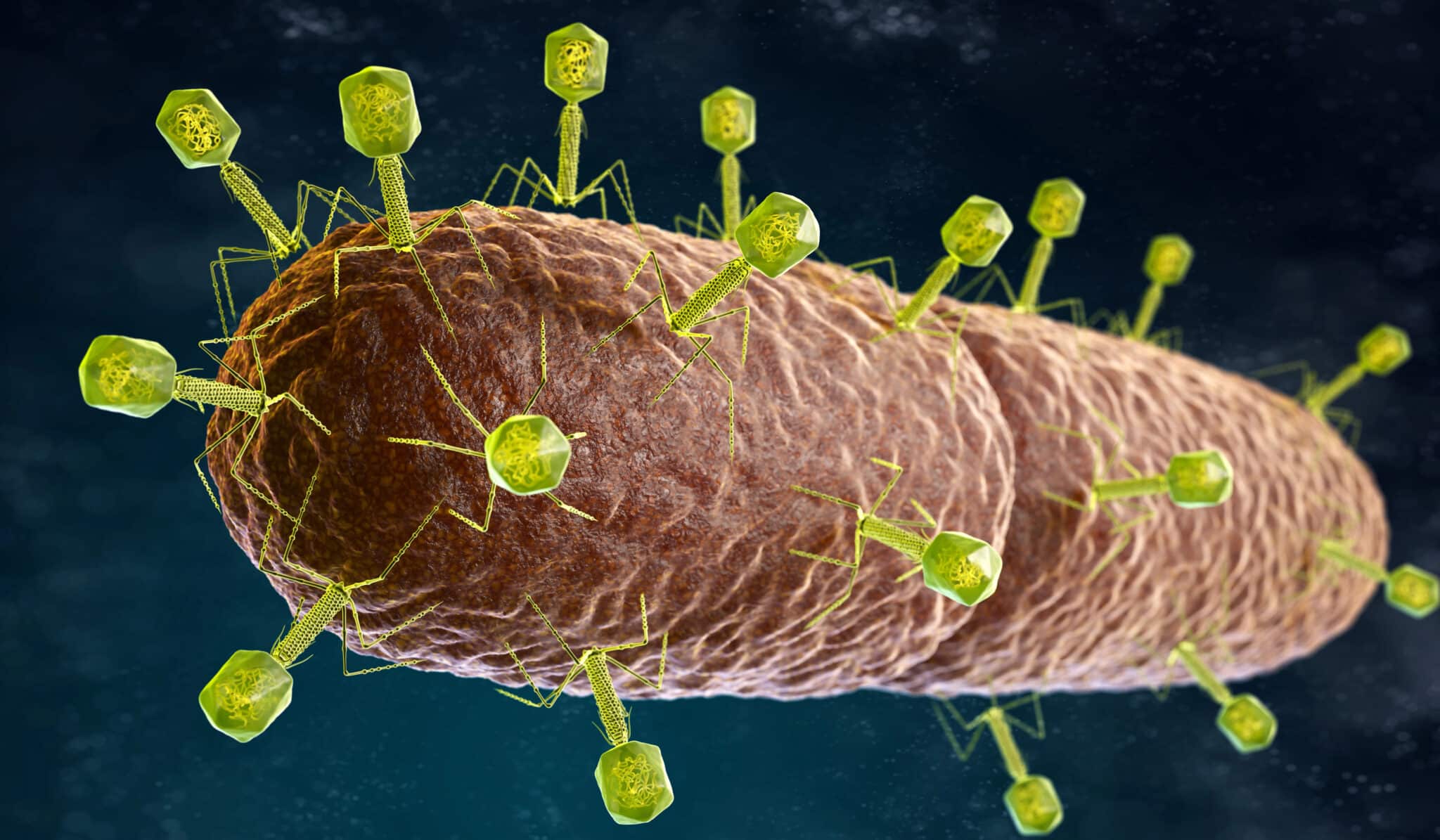
Bacteriophages, or simply phages, are viruses that infect and kill specific bacteria. Unlike broad-spectrum antibiotics that can disrupt beneficial gut flora, phages are highly selective. A single phage may target only a specific strain of Salmonella, leaving other harmless or beneficial bacteria untouched. This precision makes phages an appealing tool for improving poultry health while reducing the risk of antibiotic resistance.
Phages are also abundant in nature. They are found in soil, water, plants, and animal microbiomes. Scientists have been studying them for over a century, but only recently has technological progress allowed their potential to be explored at the scale needed for food production systems.
Why Poultry Needs New Tools
The poultry industry faces unique challenges in controlling Salmonella. Chickens often carry the bacteria without showing signs of illness, making detection difficult. Once introduced into a flock, Salmonella can spread rapidly through fecal matter, dust, or contaminated feed and water. Farm-level biosecurity, vaccines, and feed additives have reduced prevalence, yet complete elimination remains out of reach.
Traditional antibiotics once offered a quick solution, but their widespread use has fueled the rise of antibiotic-resistant strains. In response, many countries have limited antibiotic use in poultry production, leaving producers in search of alternatives. Phage therapy offers a natural, targeted, and resistance-conscious option.
How Phage Therapy Works in Poultry
Phage treatments can be delivered in several ways: through feed, drinking water, or as direct sprays onto chicks or carcasses. Once administered, the phages seek out Salmonella cells, inject their genetic material, and replicate inside the bacteria. Eventually, the bacteria burst, releasing new phages that continue the cycle.
This self-amplifying effect makes phage therapy especially powerful in poultry environments, where bacterial loads can be high. Because phages multiply only in the presence of their bacterial target, they remain active as long as Salmonella is present and then naturally decline when it is not.
Research and Current Applications
Recent studies have shown that bacteriophages can significantly reduce Salmonella levels in both broiler chickens and laying hens. Trials demonstrate reductions in bacterial shedding, contamination of eggs, and overall colonization in the gastrointestinal tract. Some research has also tested phage application during processing, where rinses or sprays can decrease contamination on carcasses.
Several phage-based products have already been approved for food safety use in the United States and other countries. While most of these are applied to meat during processing, interest is growing in applying phages earlier in the production chain. If Salmonella can be controlled at the farm level, the risks further down the line could be greatly reduced.
Advantages Over Traditional Methods
Phage therapy offers multiple benefits compared to conventional tools. Its specificity reduces collateral damage to beneficial gut microbes, which play a role in poultry health and feed efficiency. Unlike antibiotics, phages do not contribute to resistance in the same broad manner, though bacteria can evolve resistance to individual phages. This challenge can be addressed by using phage “cocktails,” combinations of multiple phages that make it harder for bacteria to adapt.
Phages are also considered safe for humans, as they do not infect mammalian cells. This safety record makes them particularly appealing for food applications, where consumer confidence is crucial.
Challenges to Overcome
Despite its promise, phage therapy faces hurdles before it can become a widespread solution. The specificity that makes phages so safe also means that treatments must be tailored to the strains of Salmonella circulating in a given flock or region. This requires continuous monitoring and adaptation.
Stability is another concern. Phages may degrade in harsh environmental conditions such as high heat or acidity, which can limit their effectiveness. Formulation improvements, such as encapsulation, are being studied to improve shelf life and delivery.
Regulatory approval can also be complex. Because phages are living entities, they are regulated differently than traditional drugs, and standards vary across countries. Navigating these frameworks is a critical step for bringing more phage products to market.
The Future of Phage Therapy in Poultry
As antibiotic resistance continues to drive change in animal agriculture, bacteriophage therapy is emerging as a viable tool in the fight against Salmonella. Combining phages with vaccines, probiotics, and strict biosecurity may create a powerful, multi-layered defense against this persistent pathogen. Ongoing research, investment, and regulatory clarity will determine how quickly phages move from experimental use to mainstream adoption.
For now, bacteriophage therapy represents one of the most exciting frontiers in poultry health. If its potential is realized, it could transform how the industry tackles food safety challenges and bring consumers greater confidence in the chicken and eggs they put on their tables.
