
Close Menu
  • Food Poisoning
    • Symptoms
    • Prevention
    • Treatment
    • Causes
  • Pathogens
    • Botulism
    • Campylobacter
    • E. coli
    • Cyclospora
    • Norovirus
    • Hepatitis A
    • Salmonella
    • Listeria
    • Shigella
  • Food Safety
    • How to wash your hands
    • Food Safty And The Holidays
  • Legal
    • Can I sue for Food Poisoning?
    • E. coli Lawyer
      • E. coli Lawsuit
    • Salmonella Lawyer
      • Salmonella Lawsuit
    • Botulism Lawyer
    • Cyclospora Lawyer
    • Shigella Lawyer
    • Hepatitis A Lawyer
  • Outbreaks and Recalls
  • Connect With A Lawyer
What's Hot

Calmer Inside: Everyday Choices That Support an Anti-Inflammatory Life

January 8, 2026

The Makings of an Exceptional Food Poisoning Lawyer – Handling Salmonella, E. coli and Listeria Litigation

January 8, 2026

Why Is It That Pregnant Women Have to Worry About Listeria More Than Others?

January 8, 2026
Facebook X (Twitter) Instagram
Facebook X (Twitter) YouTube
  • About
  • Contact Us
Food Poisoning NewsFood Poisoning News
  • Home
  • Food Poisoning
    • What is Food Poisoning?
      • Symptoms
      • Causes
      • Prevention
      • Treatment
      • Statistics
    • Pathogens
      • Botulism
      • Campylobacter
      • E. coli
      • Hepatitis A
      • Shigella
      • Norovirus
      • Salmonella
      • Cyclospora
      • Listeria
  • Food Safety
    • How to wash your hands
    • Food Safty And The Holidays
  • Legal
    • Salmonella Lawyer
      • Salmonella Lawsuit
    • E. coli Lawyer
      • E. coli Lawsuit
    • Cyclospora Lawyer
    • Shigella Lawyer
    • Hepatitis A Lawyer
    • Botulism Lawyer
  • Outbreaks and Recalls
Food Poisoning NewsFood Poisoning News
Home»Policy, Science & Research»Cafeteria Confidential: The Hidden Food Safety Risks in Shared Dining Spaces
Cafeteria Confidential: The Hidden Food Safety Risks in Shared Dining Spaces
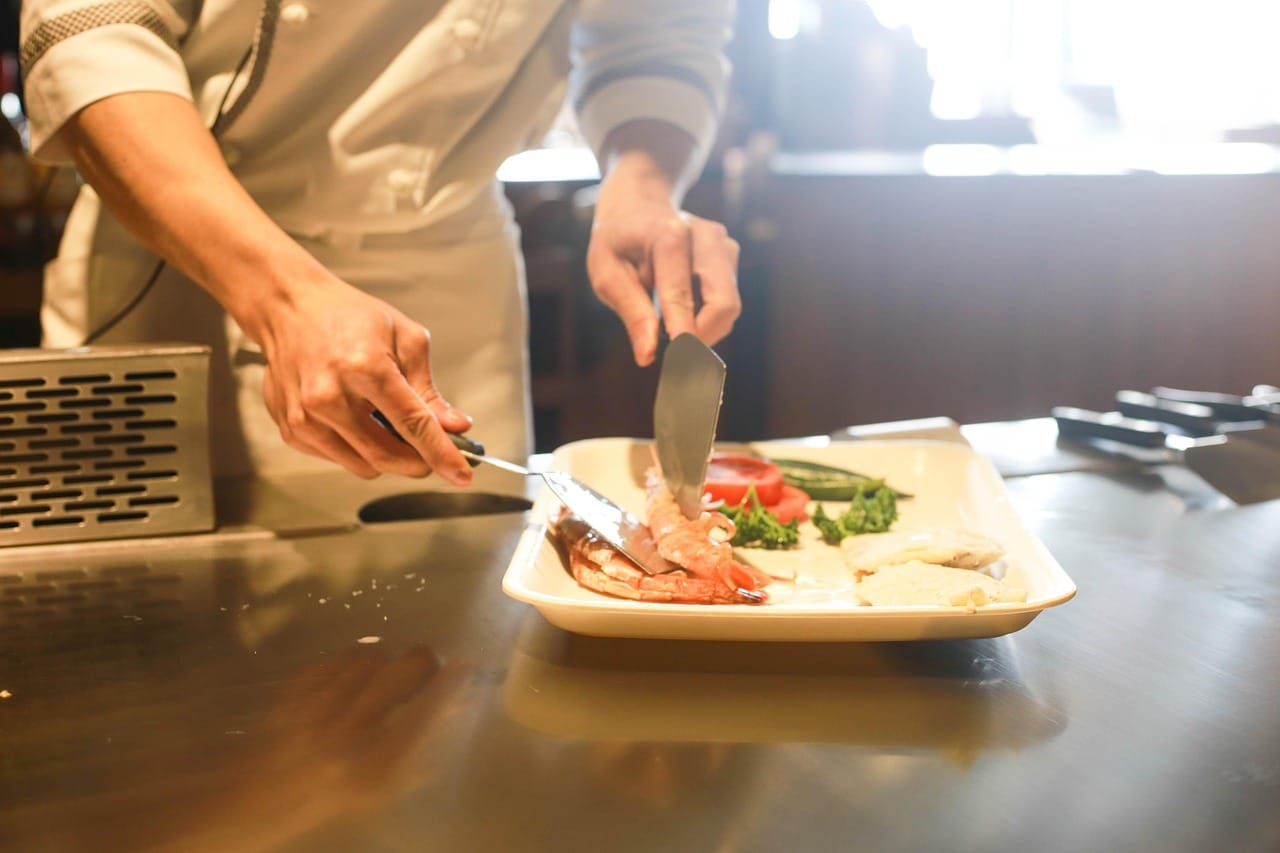
Shared serving stations are one of the riskiest features of cafeterias.
Policy, Science & Research

Cafeteria Confidential: The Hidden Food Safety Risks in Shared Dining Spaces

Grayson CovenyBy Grayson CovenySeptember 25, 2025No Comments3 Mins Read
Share
Facebook Twitter LinkedIn Pinterest Email Reddit

Cafeteria Confidential: The Hidden Food Safety Risks in Shared Dining Spaces

Cafeterias are designed to bring people together. Whether on a college campus, in an office building, or at a hospital, they offer convenience, affordability, and community. But behind the trays, salad bars, and buffet lines, there are food safety risks that often go unnoticed. Shared dining spaces can create perfect conditions for bacteria to spread, turning a quick lunch into a potential hazard.

The Buffet and Salad Bar Dilemma

Shared serving stations are one of the riskiest features of cafeterias. Food left at room temperature for too long can fall into the “danger zone” (40°F–140°F), where bacteria multiply rapidly. Tongs, ladles, and serving spoons are touched by dozens—sometimes hundreds—of people in a single day, making them easy vehicles for cross-contamination.

Safety tip: Look for cafeterias that actively rotate food, maintain hot and cold holding equipment, and switch out utensils regularly.

Tray Lines and Cross-Contact

In a busy cafeteria line, food handlers serve multiple dishes quickly, often without cleaning utensils between uses. A spoon used for macaroni and cheese might accidentally touch meat sauce, which is a problem for people with allergies or dietary restrictions. Shared serving stations make it easy for allergens to spread from one dish to another without anyone noticing.

Safety tip: If you have a food allergy, ask servers to use fresh utensils or request a portion from the back.

Communal Condiment Stations

Ketchup pumps, dressing bottles, and spice shakers are handled by countless diners. These surfaces are rarely sanitized throughout the day, and germs easily transfer from hands to handles to food.

Safety tip: Carry single-serve condiments when possible or sanitize your hands after using shared containers.

The Hidden Risk of Reusable Trays and Utensils

While environmentally friendly, reusable trays, plates, and cutlery require strict cleaning practices. In high-volume cafeterias, rushed dishwashing cycles or improper temperatures can leave behind bacteria and food residues. Even a streak of grease on a “clean” tray may signal that it wasn’t sanitized properly.

Safety tip: Always inspect utensils and trays before use. If something looks dirty, ask for a replacement.

High-Touch Surfaces Everywhere

Tables, chairs, drink dispensers, and even payment keypads are touched by hundreds of hands daily. While not direct food sources, these surfaces can harbor bacteria that eventually find their way onto food.

Safety tip: Wash or sanitize hands before and after eating, even if you’re only in contact with “non-food” surfaces.

Who’s Behind the Counter Matters

The food safety culture of a cafeteria depends heavily on its staff. Are workers wearing gloves properly? Do they switch gloves between tasks? Is food being checked with thermometers? When staff are well-trained and management prioritizes safety, risks drop dramatically.

Safety tip: Pay attention to how food handlers operate. Visible cleanliness and professionalism are good indicators of strong food safety practices.

How Diners Can Play a Role

Food safety in shared dining spaces is a two-way street. Diners can unintentionally make risks worse by mishandling utensils, leaving food spills unattended, or returning half-eaten items to shared stations. Awareness and courtesy go a long way in keeping cafeterias safer for everyone.

The Bottom Line

Cafeterias are convenient, but they come with risks that aren’t always obvious. From salad bars to shared condiment stations, every surface is a potential source of contamination if not properly managed. The key isn’t to avoid cafeterias altogether, but to stay alert, make smart choices, and practice good hygiene.

Food poisoning prevention doesn’t just happen in kitchens—it also happens in the way we navigate shared dining spaces every day.

Share. Facebook Twitter Pinterest LinkedIn Tumblr Email
Avatar photo
Grayson Coveny

Related Posts

Navigating the New Terrain of Food Safety: Understanding Risks in the Plant-Based Diet Revolution

December 28, 2025

Interesting New Research into Listeria Monocytogenes – The Deadly food Borne Pathogen

December 19, 2025

The Intricacies of Whole Genome Sequencing: Epidemiologists Tracing Food-Borne Pathogens

November 24, 2025

Fresh Isn’t Always Safe: The Real Journey of Produce From Farm Soil to Your Fork

November 17, 2025
Add A Comment
Leave A Reply Cancel Reply

Attorney Advertisement
Ron Simon

Subscribe to Updates

Get the latest food safety recall, outbreak, & investigation news.

Latest Posts

Calmer Inside: Everyday Choices That Support an Anti-Inflammatory Life

January 8, 2026

The Makings of an Exceptional Food Poisoning Lawyer – Handling Salmonella, E. coli and Listeria Litigation

January 8, 2026

Why Is It That Pregnant Women Have to Worry About Listeria More Than Others?

January 8, 2026

Food Poisoning News is a website devoted to providing you with the most current information on food safety, dangerous pathogens, food poisoning outbreaks and outbreak prevention, and food poisoning litigation.

We're social. Connect with us:

Facebook X (Twitter) YouTube
Latest Posts

Calmer Inside: Everyday Choices That Support an Anti-Inflammatory Life

January 8, 2026

The Makings of an Exceptional Food Poisoning Lawyer – Handling Salmonella, E. coli and Listeria Litigation

January 8, 2026

Why Is It That Pregnant Women Have to Worry About Listeria More Than Others?

January 8, 2026
Get Informed

Subscribe to Updates

Get the latest food safety recall, outbreak, & investigation news.

Facebook X (Twitter) YouTube
  • Home
© 2026 Food Poisoning News. Sponsored by Ron Simon & Associates a Houston, TX law firm. Powered by ArmaVita.
Our website and content are for informational purposes only. Food Poisoning News does not provide legal advice, medical advice, diagnosis, or treatment.

Type above and press Enter to search. Press Esc to cancel.