

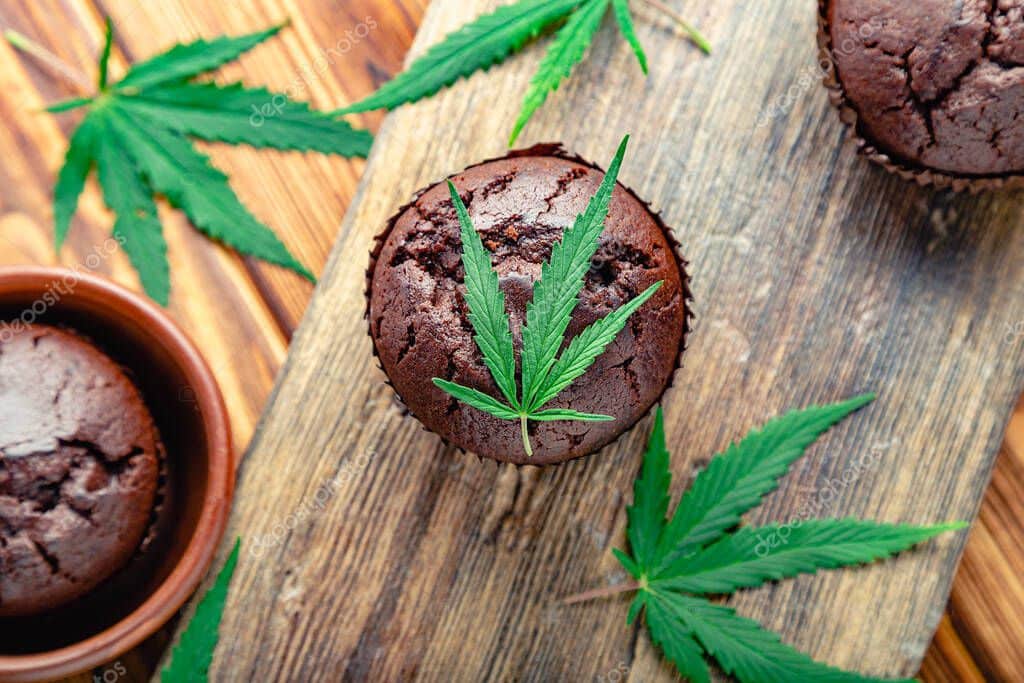

As cannabis legalization expands across the U.S., edibles have become a popular choice, especially among college-age consumers who prefer a discreet alternative to smoking. Brownies, cookies, gummies, and infused beverages look harmless, but when prepared or stored incorrectly, they can be just as dangerous as any other perishable food.
Unlike products made by regulated companies, homemade edibles—often exchanged at parties or made in dorm kitchens—lack the safeguards of commercial food production. Brownies might include undercooked eggs, unrefrigerated butter, or even raw flour, which can contain E. coli. Once infused with THC, they’re often left sitting out for hours at social gatherings, creating the perfect environment for bacteria to multiply. Similarly, gummies or candies made with fruit juice or gelatin can harbor mold if not kept refrigerated.
There’s also the issue of dual risk: contamination plus inconsistent dosing. Eating too much THC accidentally can lead to anxiety, nausea, or even hospitalization. Combine that with foodborne illness symptoms—vomiting, diarrhea, abdominal cramps—and the results can be miserable.
The best defense is simple food safety. Store edibles the way you would any baked good or perishable item. Refrigerate them if they contain dairy, eggs, or fresh juice. Don’t accept homemade products from strangers, and label them clearly if you make them yourself. Legal doesn’t mean risk-free—treat edibles with the same caution you would any perishable treat.
