


CDC Listeria Outbreak Investigation Still Uncertain of “Precise” Source, though Hospital Settings are Implicated and One Company has been Named as a Possible Source
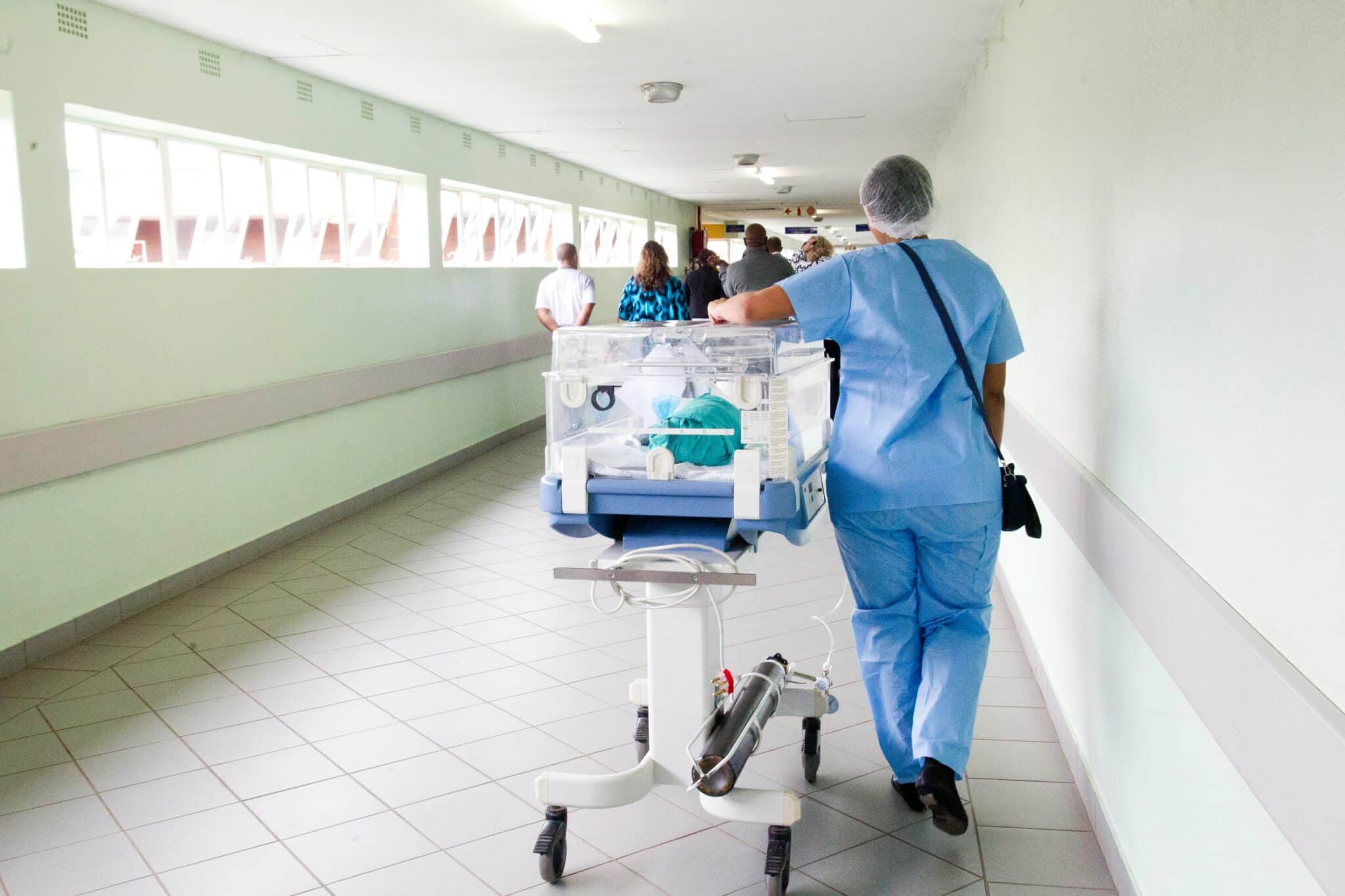
In 2024, the Centers for Disease Control and Prevention (CDC) launched an investigation into a Listeria monocytogenes outbreak that left patients across several states seriously ill. Early findings showed a troubling pattern. Many of those who fell sick had been in healthcare settings such as hospitals prior to becoming ill, pointing toward food served in those environments as the likely source of exposure. Despite this strong clue, investigators were unable to determine exactly which food item was responsible. The case remained unresolved, highlighting how difficult it can be to pinpoint a single product in complex institutional food systems.
The Listeria investigation took a new turn in April 2025 when the CDC reopened the case. The decision followed a breakthrough discovery. Environmental samples collected from Fresh & Ready Foods LLC tested positive for the outbreak strain of Listeria. The company produces a wide range of ready-to-eat items that are distributed to hospitals, nursing homes, and other institutions. The detection of the pathogen at the facility provided the most concrete link yet between the outbreak and a specific supplier.
Early Challenges in 2024
The initial investigation relied heavily on epidemiologic data. Health officials interviewed patients and reviewed medical and facility records to identify patterns in what sick people had eaten. Consistent reports emerged that pointed to meals consumed inside hospitals and other healthcare facilities. Prepared sandwiches, salads, and packaged ready-to-eat foods were commonly mentioned.
However, investigators hit several obstacles. Meals served in healthcare institutions often include many different components, making it difficult to isolate the exact food responsible. By the time patients developed symptoms, much of the food had already been discarded, leaving little available for laboratory testing. Patient recall was also limited, especially for individuals who were already hospitalized and may not have been aware of the details of their meals. As a result, the CDC was able to establish that food was the likely cause, but it could not identify the specific item or supplier.
Why Healthcare Facilities Are High Risk
Listeria is a bacterium that poses a particular danger to vulnerable populations, including the elderly, immunocompromised individuals, pregnant women, and those with underlying medical conditions. Many of these groups are heavily represented in healthcare settings. For these individuals, Listeria infections can lead to severe illness, hospitalization, or even death.
Hospitals and nursing homes often rely on bulk food suppliers to provide ready-to-eat meals that can be distributed quickly and consistently across facilities. This system ensures efficiency but also creates risk. If a supplier’s food becomes contaminated, a single batch can affect multiple facilities and dozens of patients in a short time. This makes outbreaks linked to institutional food service especially concerning for public health officials.
The Breakthrough in 2025
The turning point came when the outbreak strain of Listeria was identified in environmental samples from Fresh & Ready Foods LLC in April 2025. The company is known for supplying hospitals and other institutions with prepackaged meals and components such as sandwiches, wraps, fruit cups, and prepared salads.
Records reviewed from healthcare facilities revealed that Fresh & Ready Foods products had been served in at least three of the institutions where patients later became ill. This overlap provided investigators with the strongest evidence to date that the company’s products were linked to the outbreak. While further analysis is needed to confirm the extent of contamination and determine which foods may have been directly responsible, the discovery marks a major step forward in solving a case that once seemed stalled.
Broader Challenges in Foodborne Outbreak Investigations
The difficulties faced in this investigation reflect broader challenges in identifying sources of foodborne outbreaks. Ready-to-eat foods present a particular problem because they often combine ingredients from multiple suppliers, and they are consumed without additional cooking that could kill pathogens. A single contaminated ingredient can spread widely and affect many different meal products.
Another challenge is timing. Listeria has an incubation period that can range from several days to several weeks. By the time patients show symptoms and are diagnosed, the contaminated food may have already been consumed or discarded. This delay complicates traceback efforts and makes it harder to secure samples for testing.
Next Steps for Fresh & Ready Foods and Public Health Officials
The discovery of the outbreak strain at Fresh & Ready Foods LLC will likely prompt further inspections of the facility, as well as possible recalls of affected products. The Food and Drug Administration (FDA) and state health authorities are expected to collaborate with the CDC in reviewing the company’s safety practices, production environment, and distribution records.
Hospitals and healthcare facilities that received shipments from Fresh & Ready Foods may also be required to review their supply chains and ensure that no potentially contaminated products remain on site. Protecting patients in these settings is a top priority given their vulnerability to Listeria infections.
Final Note
The reopening of this Listeria outbreak investigation illustrates the persistence required in foodborne illness surveillance. While the 2024 investigation was unable to identify a specific food, the 2025 breakthrough has provided a direct link to a supplier and may finally resolve the mystery. The case underscores the importance of strict food safety measures in facilities that serve high-risk populations and demonstrates how ongoing environmental testing can uncover critical evidence even months after an outbreak begins.
Public health officials will continue to monitor the situation as more information emerges. The lessons learned from this investigation will help strengthen future responses and reduce the risk of similar outbreaks in healthcare settings.
