


Introduction
Meningitis is an inflammatory condition of the meninges, commonly caused by viral, bacterial, or, less frequently, fungal infections. Among bacterial etiologies, Listeria monocytogenes is a notable pathogen, particularly in vulnerable populations such as the elderly, immunocompromised individuals, and pregnant women. Accurate diagnosis is crucial, as the clinical presentation can overlap significantly with other forms of meningitis. This article explores the differential diagnosis of meningitis, the role of the cerebrospinal fluid (CSF) analysis, and the importance of antibiotics in managing suspected Listeria infections.
Clinical Presentation
Patients with meningitis typically present with a combination of symptoms, including fever, headache, neck stiffness, and altered mental status. The acute onset of these symptoms often leads to an urgent clinical evaluation. In the case of Listeria, additional symptoms may include gastrointestinal manifestations such as diarrhea or fever preceding neurological symptoms, particularly in adults. In pregnant women, flu-like symptoms may precede meningitis, complicating the clinical picture.
Differential Diagnosis of Listeria
When diagnosing meningitis, a range of pathogens must be considered. The differential diagnosis includes:
- Bacterial Meningitis: This includes organisms such as Streptococcus pneumoniae, Neisseria meningitidis, and, importantly, Listeria monocytogenes.
- Viral Meningitis: Common viral agents include enteroviruses, herpes simplex virus, and West Nile virus.
- Fungal Meningitis: Particularly in immunocompromised individuals, fungal infections such as cryptococcosis must be considered.
- Non-infectious Causes: Conditions such as autoimmune disorders, malignancies, and drug-induced aseptic meningitis can mimic infectious meningitis.
- Listeria monocytogenes: Recognizing Listeria as a potential cause is critical, especially in at-risk populations. It often presents with more indolent symptoms, which may lead to delays in diagnosis.
Importance of Cerebrospinal Fluid Analysis
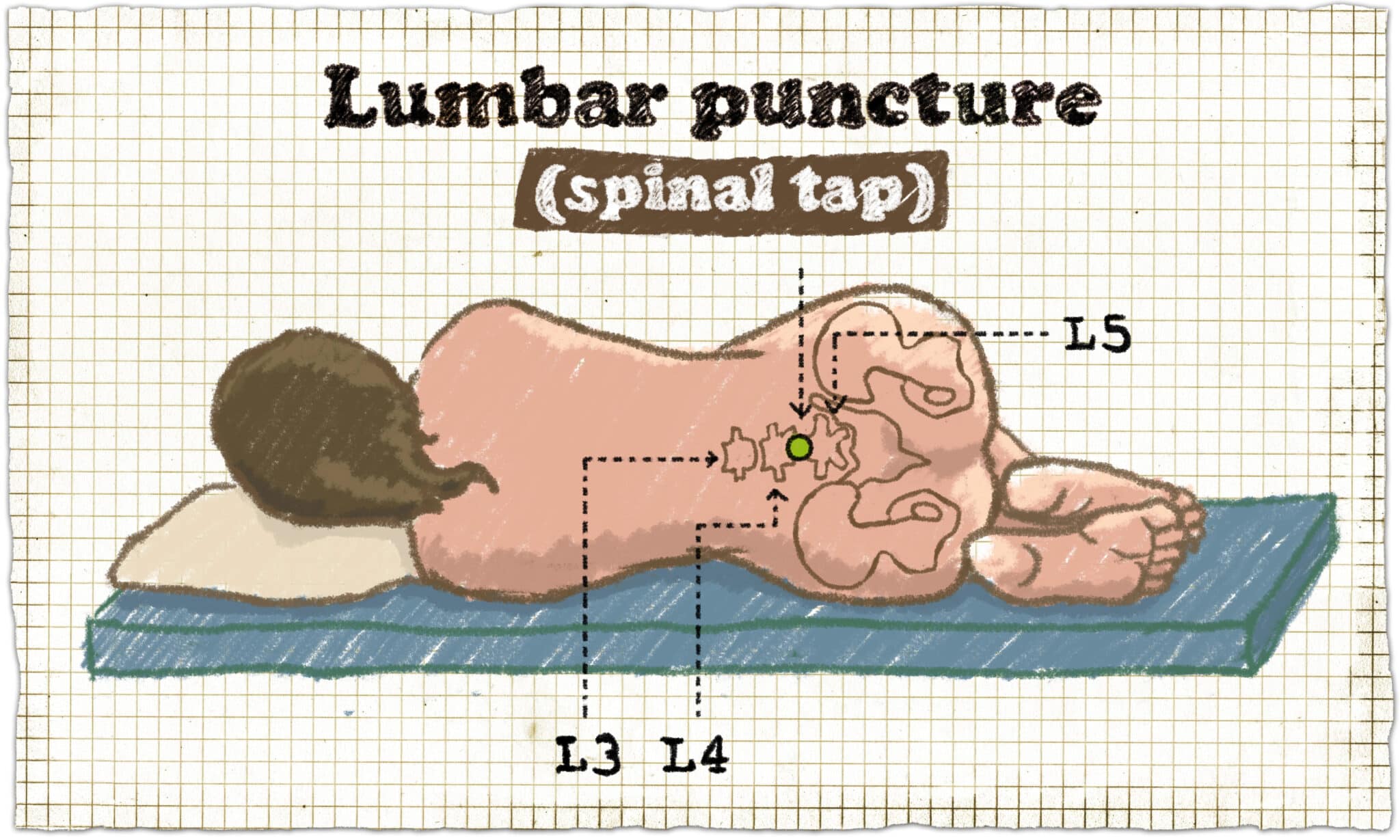
A lumbar puncture (LP) is essential for definitive diagnosis. CSF analysis provides vital information to differentiate between the various types of meningitis:
- Appearance: CSF in bacterial meningitis often appears turbid due to increased white blood cells (WBCs) and protein content. In Listeria infections, CSF may appear clear or slightly cloudy.
- Cell Count: Bacterial meningitis typically shows a predominance of neutrophils, while viral meningitis shows lymphocytic predominance. Listeria may initially present with a mixed pleocytosis, sometimes with a lymphocytic predominance, complicating the interpretation.
- Protein and Glucose Levels: In bacterial meningitis, protein levels are elevated, and glucose levels are typically low. In Listeria meningitis, the glucose may be normal or mildly decreased, with protein levels elevated, which is a crucial distinguishing factor from viral etiologies.
- Culture and PCR: The gold standard for diagnosis is CSF culture, where Listeria can be isolated, although it may take several days. PCR testing is increasingly used for rapid detection of Listeria DNA in CSF, allowing for quicker diagnosis.
The Role of Antibiotics
Early initiation of appropriate antibiotics is critical in managing bacterial meningitis. In cases suspected to involve Listeria, empirical treatment should cover the organism while awaiting culture results. Recommended first-line therapy includes:
- Ampicillin: This is the primary agent for Listeria and should be used in combination with ceftriaxone or vancomycin to cover other possible bacterial pathogens, especially in patients with immunocompromise or other risk factors.
- Duration of Therapy: Treatment duration typically spans 21 days for Listeria meningitis, reflecting the need for prolonged therapy due to the organism’s characteristics.
- Monitoring and Adjustments: Clinicians should monitor clinical response closely and adjust antibiotics based on culture results, sensitivity patterns, and patient response.
Conclusion
Diagnosing Listeria meningitis requires a high index of suspicion, particularly in vulnerable populations. The differential diagnosis of meningitis is broad, necessitating a systematic approach to CSF analysis. Lumbar puncture remains a critical tool in establishing the diagnosis and guiding appropriate therapy. Early initiation of antibiotics is paramount to improving outcomes, making awareness of Listeria a vital aspect of managing suspected cases of meningitis. In practice, timely identification and treatment can significantly reduce morbidity and mortality associated with this serious condition.
