


Elderberry Syrup and Homemade Remedies: Hidden Risks in Natural Wellness Products
Elderberry syrup has become a staple in the natural wellness community, often touted as a go-to remedy for colds, flu, and immune support. Beyond elderberry, a wide range of homemade wellness products, such as herbal teas, tinctures, infused oils, and fermented tonics, are gaining popularity among people seeking natural alternatives to conventional medicine. While many individuals view these remedies as safe because they come from plants, the reality is that natural does not always mean harmless. Elderberry syrup and other homemade wellness products carry risks when prepared, stored, or consumed without proper knowledge.
The Appeal of Elderberry Syrup
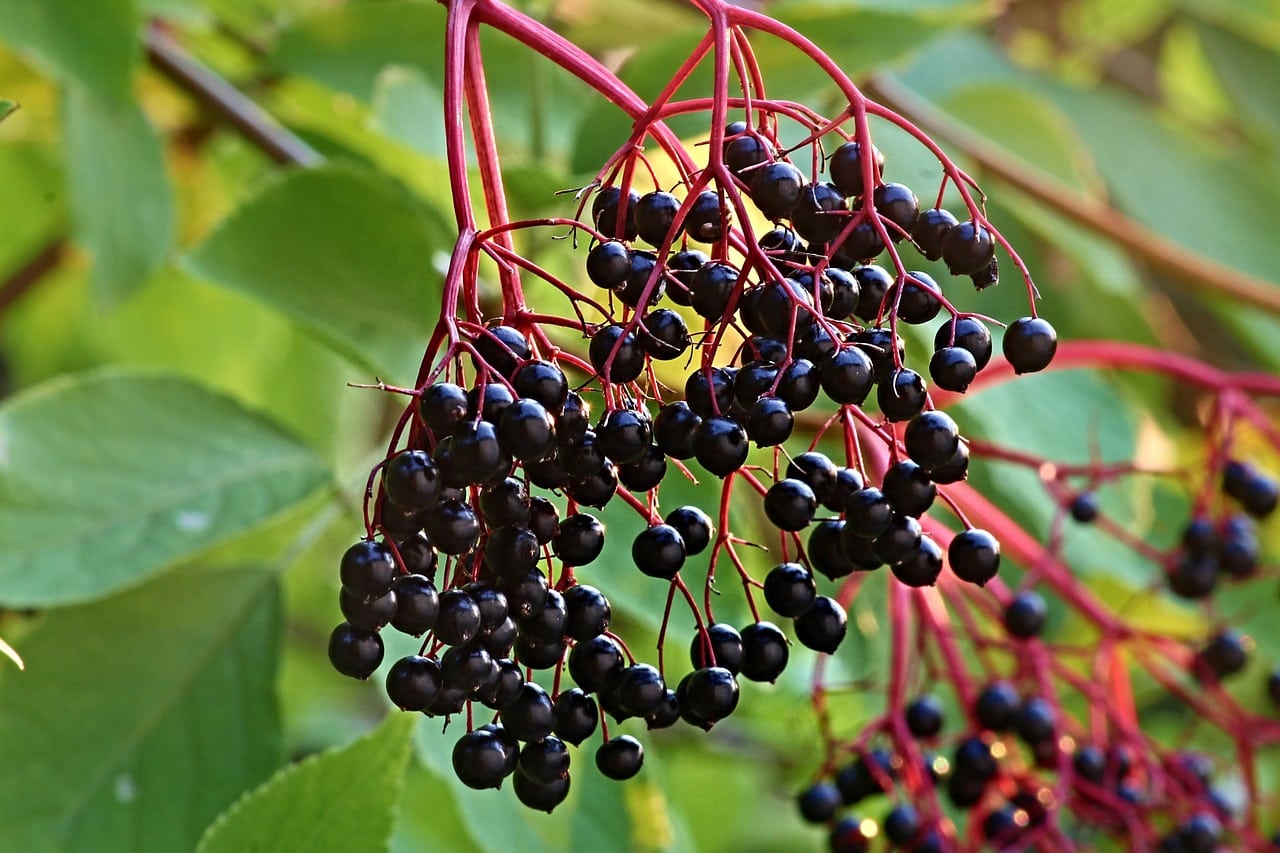
Elderberries, derived from the Sambucus nigra plant, are rich in antioxidants and have been studied for their potential to reduce the severity and duration of cold and flu symptoms. Commercial elderberry syrups are widely available, but many people prefer to make their own at home using fresh or dried berries, honey, and spices. The appeal lies in both cost savings and the belief that homemade remedies are fresher and more potent.
The Risks of Improper Preparation
Raw elderberries, as well as other parts of the plant such as leaves and stems, contain naturally occurring cyanogenic glycosides. These compounds can release cyanide when consumed, leading to nausea, vomiting, diarrhea, and in severe cases, more serious poisoning. Cooking neutralizes much of this risk, but incomplete boiling or improper preparation may leave enough toxins to make people sick.
Homemade elderberry syrups often lack the consistent heating and processing controls used in commercial production. A batch that has not been thoroughly cooked can easily become unsafe. In addition, recipes vary widely online, and not all provide instructions that adequately eliminate toxic compounds.
Contamination Concerns in Homemade Remedies
Another hidden danger in elderberry syrup and other natural remedies is microbial contamination. When homemade products are prepared in kitchens that are not sanitized to commercial standards, bacteria, mold, or yeast can contaminate the mixture. Syrups made with honey or sugar may resist spoilage for some time, but they are not immune to harmful microorganisms.
Storage practices further complicate the risk. Many homemade syrups are kept at room temperature, where bacteria can multiply rapidly. Refrigeration helps extend shelf life, but it does not prevent contamination if the syrup was unsafe to begin with. Some people store elderberry syrup in glass jars without labeling dates, making it difficult to track freshness and safety.
Beyond Elderberries: Risks in Other Remedies
Elderberry syrup is not the only natural wellness product that carries hidden risks. Homemade kombucha can harbor harmful bacteria or excessive yeast if not brewed properly. Herbal teas made from foraged plants may accidentally include toxic species if identification is mistaken. Infused oils, such as those made with garlic or herbs, can develop Clostridium botulinum, the bacteria that causes botulism, if stored improperly.
These risks are heightened because most homemade remedies bypass regulatory oversight. Unlike commercial products, they are not subject to rigorous testing for contaminants or accurate labeling of ingredients and expiration dates.
Vulnerable Populations
The risks of homemade elderberry syrup and similar products are especially concerning for vulnerable groups. Children, pregnant women, older adults, and people with weakened immune systems are more susceptible to foodborne illness and may experience severe outcomes from contamination or toxins. While a healthy adult may recover quickly from mild poisoning, the same exposure could be far more dangerous for someone in a high-risk category.
Safer Alternatives and Practices
For those who enjoy elderberry syrup as part of their wellness routine, there are safer ways to approach it. Commercially prepared elderberry products undergo regulated processing and testing, reducing the risk of toxins or contamination. Choosing these products from reputable brands offers more reliability than homemade versions.
If preparing syrup at home, careful attention to food safety is critical. Elderberries should be fully cooked before use, and recipes should come from trusted sources that prioritize safety. Syrups should be stored in clean, sterilized containers, refrigerated promptly, and consumed within a short period of time. Clear labeling with preparation dates helps prevent consumption of expired or questionable batches.
When experimenting with other homemade remedies, individuals should educate themselves about safe preparation methods, storage requirements, and potential toxic plants to avoid. Consulting reliable resources such as university extension programs or food safety agencies can help reduce risk.
The Importance of Caution
The growing interest in natural remedies reflects a desire for greater control over personal health and a return to traditional practices. However, safety should never be overlooked in the pursuit of wellness. Just as processed foods and medications carry risks, so too do homemade syrups, teas, and tonics. Awareness and caution are key to ensuring that these practices support health rather than compromise it.
Final Note
Elderberry syrup and other natural wellness products can offer benefits when prepared and handled safely, but they are not without risks. Improper preparation may leave harmful toxins intact, and unsafe storage can lead to bacterial contamination. Vulnerable populations face greater dangers, making safety especially important. Choosing commercial products or following trusted, science-based preparation guidelines can help strike a balance between enjoying the traditions of natural remedies and protecting health. In the end, natural wellness should enhance well-being, not create hidden hazards.
