

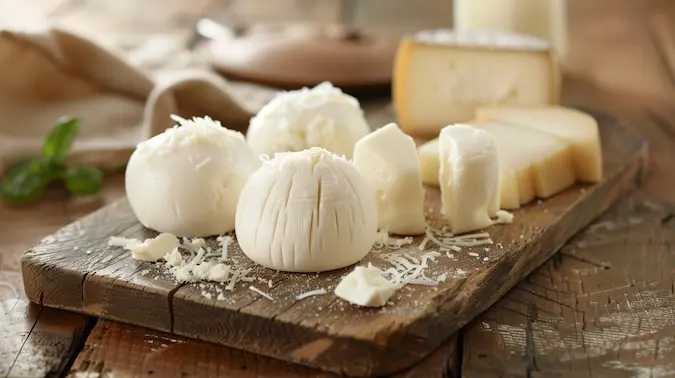

Federal health authorities have concluded an investigation into a multistate outbreak of Listeria monocytogenes infections linked to contaminated soft cheeses, including requesón and ricotta-style products, that resulted in 15 illnesses across four states, 14 hospitalizations, and one death. The outbreak, which spanned more than three years from 2023 to 2026, stresses the persistent risks associated with soft cheeses and the challenges of identifying contaminated products in a complex distribution network.
Outbreak Overview
As of June 24, 2026, the Centers for Disease Control and Prevention (CDC) had reported a total of 12 people infected with the outbreak strain of Listeria monocytogenes across four states: Illinois, Maryland, New York, and Virginia. Among the 12 patients with available information, 10 were hospitalized, and one death was reported in Maryland. Sick people’s samples were collected on dates ranging from March 6, 2023, to June 2, 2026, indicating that the outbreak persisted for more than three years before being identified and contained.
The median age of those affected was 55, with ages ranging from 16 to 81 years. The demographic breakdown showed 67% of cases were female and 33% were male. The true number of sick people in this outbreak is likely higher than the number reported, and the outbreak may not have been limited to the states with known illnesses. This is because some people recover without medical care and are not tested for Listeria. In addition, recent illnesses may not yet have been reported, as it typically takes three to four weeks to determine if a sick person is part of an outbreak.
Epidemiological Investigation
The outbreak was linked to requesón (a soft ricotta-style cheese) and other soft cheese products. Epidemiologic, laboratory, and traceback data showed that some requesón cheeses supplied by Clover Hill Dairy in Mechanicsville, Maryland were contaminated with Listeria monocytogenes and were making people sick.
Public health investigators used the PulseNetsystem to identify illnesses that may have been part of this outbreak. CDC PulseNet manages a national database of DNA fingerprints of bacteria that cause foodborne illnesses. DNA fingerprinting was performed on bacteria using whole genome sequencing (WGS). WGS showed that bacteria from sick people’s samples were closely related genetically, suggesting that people in this outbreak got sick from the same food.
FDA and state partners collected and analyzed product and environmental samples. Listeria was detected in six product samples of requesón cheese and in two environmental samples. WGS showed that the Listeria in the cheese was the same strain found in sick individuals. A second environmental sample collected from Clover Hill Dairy, LLC also tested positive and matched the outbreak strain.
Product Recalls and Distribution
Multiple recalls were initiated in response to the outbreak.
On June 26, 2026, La Ceiba Foods Latin Market Inc. recalled certain requesón products marketed under the La Colonia and Selectos Latinos brands. The recalled products were distributed to supermarkets, retail stores, and restaurants in the states of Maryland, Virginia, and Washington, D.C., from May 11, 2026, to June 1, 2026. Affected products included:
- La Colonia Requeson Salvadoreno, 14-oz
- Selectos Latinos Requeson Salvadoreno, 16-oz
- Selectos Latinos Requeson Mexicano, 16-oz
On June 18, 2026, Clover Hill Dairy expanded its recall to include all cheese products manufactured at its facility. The affected products included a wide range of soft and semi-soft Spanish-style cheese varieties such as cuajada, ricotta/requesón, as well as mild, hard, smoked, and pepper-flavored cheddar varieties. These products were sold directly from the company’s retail market, at farmers markets, and through third-party distributors in Maryland, New Jersey, New York, North Carolina, Virginia, and Washington, D.C. Cheeses may have been relabeled under different brand names when distributed, including but not limited to KESSO, QUESOS LA RICURA, IZALCO, DE MI PUEBLO, and RIO LINDO.
On June 5, 2026, Nelson & Isa Lacteos, LLC of Bay Shore, New York, a distributor of Clover Hill Dairy cheese products, recalled requesón cheese sold in 1-pound plastic clam shells at retail locations in New York from May 15 to May 28, 2026. The products were likely repacked at retail store locations, and labeling or coding varied based on the location of purchase.
On June 3, 2026, Clover Hill Dairy, LLC had initially issued a voluntary recall of its requesón/soft ricotta products.
The Maryland Department of Health suspended Clover Hill Dairy’s operating license and conducted a follow-up evaluation in cooperation with the facility.
Listeria and Vulnerable Populations
Listeria monocytogenes is a bacterium that can cause serious and sometimes fatal infections, particularly in certain high-risk groups. Symptoms usually start within two weeks of eating food contaminated with Listeria but may begin as early as the same day or as late as 10 weeks after exposure.
Mild symptoms may include fever, muscle aches, nausea, tiredness, vomiting, and diarrhea. If the more severe form of listeriosis develops, symptoms may include headache, stiff neck, confusion, loss of balance, and convulsions.
Listeria is especially harmful to pregnant individuals, adults aged 65 or older, and people with weakened immune systems due to certain medical conditions or treatments. For pregnant women, Listeria can cause pregnancy loss, premature birth, or a life-threatening infection in newborns. For people who are 65 years or older or who have a weakened immune system, Listeria often results in hospitalization and sometimes death. The infection is more likely to spread beyond their gut to other parts of their body, resulting in a severe condition known as invasive listeriosis.
Historical Context: Listeria and Soft Cheese Outbreaks
The 2026 Listeria outbreak is part of a broader pattern of listeriosis outbreaks associated with soft cheeses, particularly Latin-style and Hispanic-style varieties. Soft cheeses have higher moisture content and lower acidity than hard cheeses, creating conditions that can support bacterial growth if contamination occurs. A study of U.S. listeriosis outbreaks associated with soft cheeses during 1998–2014 found that soft cheeses made with pasteurized milk are implicated in more outbreaks than those made with raw milk, largely due to post-pasteurization contamination during processing. Latin-style soft cheeses, such as queso fresco, were implicated in a significant proportion of the outbreaks associated with soft cheeses during that period.
The 1985 Jalisco Outbreak
The earliest and one of the largest reported listeriosis outbreaks in the United States occurred in 1985, linked to Mexican-style soft cheese produced by Jalisco Mexican Products. The outbreak resulted in 142 cases across California’s Los Angeles and Orange counties, including 48 deaths and 20 fetal losses. The outbreak was notable for its impact on pregnant women, with many cases involving septic abortions. A case-control study implicated Mexican-style soft cheese with an odds ratio of 5.5 (95% confidence interval).
2012 Ricotta Salata Outbreak
In 2012, an outbreak of listeriosis was caused by imported ricotta salata cheese. Fourteen jurisdictions reported 22 cases from March to October 2012, including four deaths and a fetal loss. The outbreak strain was found in intact packages of the imported cheese, demonstrating that contamination could occur at the production facility rather than during distribution or retail handling.
2015 Karoun Dairies Outbreak
A multistate outbreak linked to soft cheeses distributed by Karoun Dairies, Inc. resulted in 30 people infected with closely related Listeria strains across 10 states, with illnesses dating back to June 2010. The FDA isolated Listeria monocytogenes from environmental samples collected at the Central Valley Cheese, Inc. manufacturing facility in Turlock, California, in September 2015.
2017 Vulto Creamery Outbreak
In 2017, an outbreak linked to soft raw milk cheese made by Vulto Creamery resulted in eight cases, including two deaths. The company’s founder and owner, Johannes Vulto, was sentenced in 2024 to three years probation in federal court for “…causing the introduction of adulterated food…that was linked to a 2016-2017 outbreak of listeriosis…”
2021 El Abuelito Cheese Outbreak
In early 2021, a multistate outbreak of listeriosis involving 13 cases in four states occurred, linked to queso fresco cheeses made by El Abuelito Cheese Inc. The outbreak resulted in 12 hospitalizations and one death. Illnesses started on dates ranging from October 20, 2020, to March 17, 2021. The CDC reopened the investigation in January 2024 after new illnesses were reported and the outbreak strain was found in a cheese sample from Rizo-López Foods.
2022 Brie and Camembert Outbreak
In September 2022, an outbreak of Listeria infections was linked to brie and camembert cheeses produced by Old Europe Cheese, Inc. The outbreak strain was found in the company’s facility, leading to a recall of multiple brands of brie, camembert, and baked brie cheeses with best-by dates through December 14, 2022.
2024 Rizo-López Foods Outbreak
A multi-year, multistate outbreak of Listeria monocytogenes infections was linked to queso fresco and cotija cheeses manufactured by Rizo-López Foods of Modesto, California.
Patterns and Challenges
The recurrence of Listeria outbreaks linked to soft cheeses, particularly Latin-style varieties, reflects several persistent challenges. Soft cheeses have higher moisture content and lower acidity than hard cheeses, creating conditions that can support bacterial growth if contamination occurs. Additionally, the complex distribution networks for these products, which often involve multiple distributors and repackaging at retail locations, complicate traceback investigations. The 2026 outbreak, with its multiple recalls and distribution across several states, exemplifies these challenges.
FDA has developed a strategy on soft fresh queso fresco-type cheeses to help prevent listeriosis outbreaks associated with these products. Between 2014 and 2017, the FDA investigated five listeriosis outbreaks associated with these cheeses. There were an additional 12 outbreaks of listeriosis in the U.S. during the period 1998–2014 associated with soft cheeses made from pasteurized milk.
Public Health Recommendations
The FDA advises consumers, restaurants, and retailers who purchased or received recalled cheese products to discard them immediately. Recalled cheeses should no longer be available in stores or restaurants, and most are past expiration.
Individuals experiencing symptoms consistent with listeriosis, particularly those who are pregnant, aged 65 or older, or have weakened immune systems, are advised to contact their healthcare provider. Healthcare providers should consider listeriosis in patients with compatible symptoms and a history of consuming soft cheeses.
Consumers should be aware that soft cheeses, even pasteurized ones, can be a riskier food choice. Those at high risk should avoid eating recalled requesón/soft ricotta cheese. It is also important to clean refrigerators, containers, and surfaces that may have touched recalled cheese, as Listeria can survive in the refrigerator and can easily spread to other foods and surfaces.
Status of Investigation
The Listeria outbreak linked to soft cheeses has been declared over by the CDC, and the FDA’s investigation is complete. The CDC advises people not to eat, sell, or serve recalled cheese. Public health officials continue to emphasize the importance of food safety practices, particularly for high-risk populations. Consumers are advised to remain informed about recalls and to seek medical attention promptly if symptoms develop.
