


Food Poisoning Concerns Following Natural Disasters: What are the Special Risks in Terms of Food Poisoning?
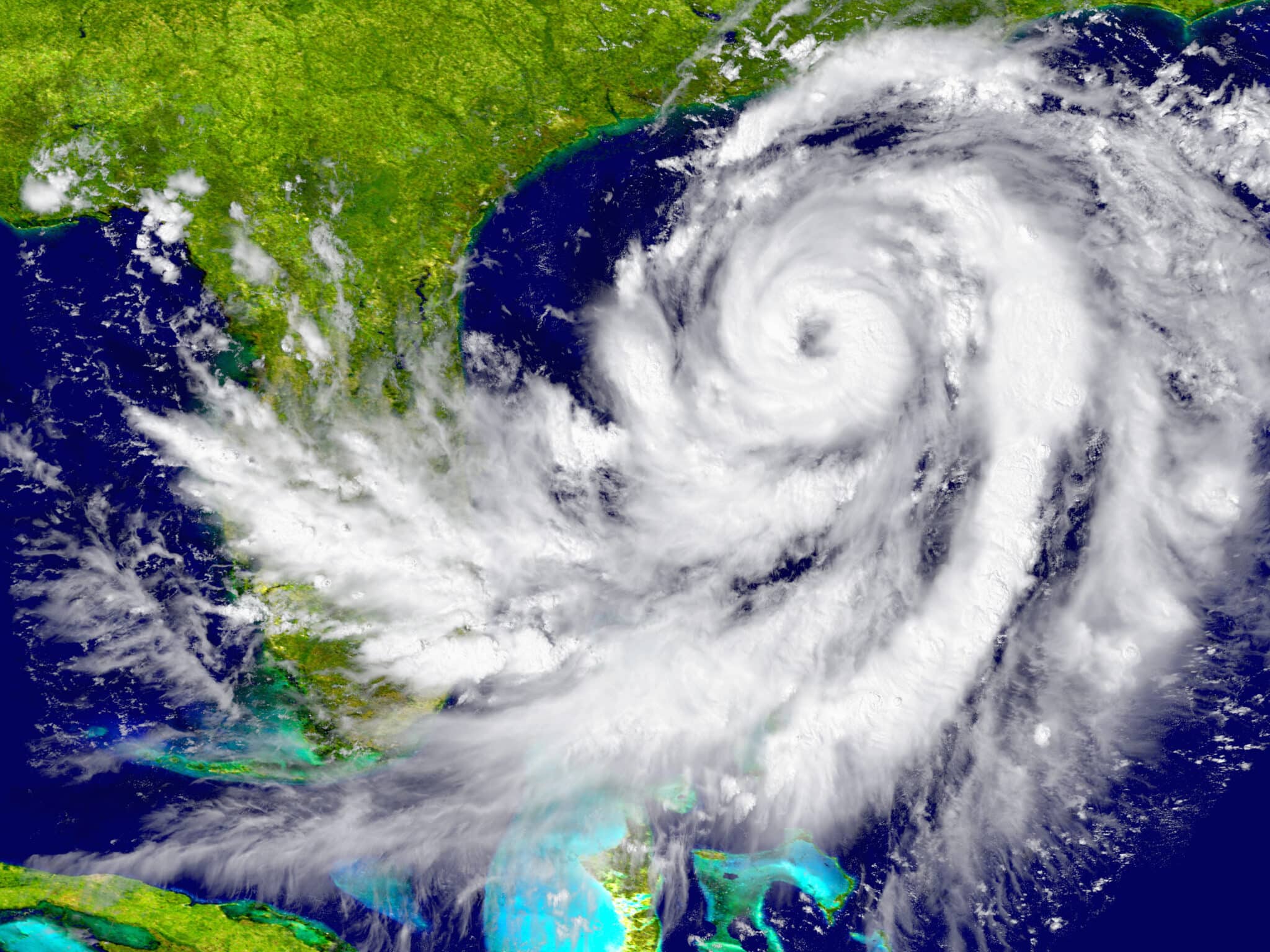
Natural disasters, such as hurricanes, can create significant public health challenges, particularly regarding food and water safety. When Hurricane Idalia hit Florida, Georgia, and North Carolina in late September 2023, it not only brought destruction through powerful winds and floods but also triggered concerns about foodborne illnesses. Now survivors are contending with the aftermath of Helene – having survived the storm, they now need to focus on preventing further harm to their families and themselves.
Food poisoning is a common aftermath of hurricanes due to compromised food storage, contamination of food and water supplies, and lack of sanitation in areas affected by widespread power outages and flooding.
Why Hurricanes Increase the Risk of Food Poisoning
Hurricanes have the potential to disrupt normal living conditions dramatically. Power outages, flooding, and damaged infrastructure create a perfect environment for food safety risks. Here are several reasons why food poisoning becomes a heightened concern after natural disasters:
- Power Outages and Spoiled Food Power outages, which often accompany hurricanes, cause refrigerators and freezers to stop functioning, leading to the spoilage of perishable food. Without a consistent cold chain to keep meat, dairy, and other perishables at safe temperatures, these foods can quickly become breeding grounds for harmful bacteria such as Salmonella, E. coli, and Listeria. The USDA recommends discarding any food left in a refrigerator without power for more than four hours and any food that has been in a freezer that exceeds 40°F for more than two hours.
- Floodwater Contamination Hurricanes often lead to flooding, which presents a significant risk of contamination. Floodwater can carry harmful pathogens from sewage, animal waste, and agricultural runoff into homes, food storage areas, and local water supplies. Food that comes into contact with floodwater must be discarded unless it is sealed in a waterproof container such as a can. However, even cans should be inspected, as dented, bulging, or rusted containers are at risk of bacterial contamination. Fresh produce and any unpackaged food exposed to floodwater should also be discarded.
- Waterborne Illnesses Alongside food contamination, hurricanes can disrupt municipal water systems, leading to a lack of access to clean drinking water. Flooding can introduce bacteria, viruses, and parasites into water sources, which can cause gastrointestinal illnesses such as dysentery, cholera, and Cryptosporidium infections. Individuals in affected areas are often advised to boil water before consumption or use bottled water for drinking, cooking, and hygiene purposes. The Centers for Disease Control and Prevention (CDC) recommend boiling water for at least one minute or using water purification tablets to ensure safety.
- Poor Sanitation and Food Handling In the wake of a hurricane, people may be forced to prepare and eat food in less-than-ideal conditions. Limited access to clean water for washing hands, cooking utensils, and food can lead to the spread of bacteria. Cross-contamination, especially when handling raw meats, can further exacerbate foodborne illnesses. Additionally, makeshift shelters and temporary accommodations often lack the proper food safety infrastructure, making it difficult to store, prepare, and serve food safely.
Common Foodborne Pathogens in Post-Disaster Scenarios
Several harmful bacteria and viruses can cause foodborne illnesses following hurricanes and other natural disasters. Some of the most common pathogens include:
- Salmonella: This bacterium can be found in contaminated water or spoiled food. Symptoms include diarrhea, fever, and abdominal cramps, which typically appear 6 to 72 hours after ingestion. In severe cases, salmonella can cause hospitalization or even death, particularly among vulnerable populations such as young children, the elderly, and those with weakened immune systems.
- E. coli: Found in undercooked beef, contaminated produce, and unpasteurized milk, E. coli can cause severe stomach cramps, diarrhea (often bloody), and vomiting. Some strains, such as E. coli O157, can lead to serious complications like hemolytic uremic syndrome (HUS), a type of kidney failure.
- Listeria: This bacterium thrives in cold environments and can grow even in refrigerated foods that are improperly stored. Listeria infection is particularly dangerous for pregnant women, newborns, older adults, and individuals with weakened immune systems. Symptoms can range from mild flu-like symptoms to severe infections such as meningitis.
- Norovirus: Highly contagious and often transmitted through contaminated food and water, norovirus causes vomiting, diarrhea, and stomach cramps. It is especially problematic in crowded shelters or temporary living arrangements where sanitation may be compromised.
Preventive Measures for Food Safety After a Hurricane
Despite the challenges posed by hurricanes, there are several steps individuals can take to reduce the risk of food poisoning in the aftermath:
- Discard Perishable Foods: If the power has been out for an extended period, discard any perishable foods that were not stored at safe temperatures. A good rule of thumb is to throw away any food that has been above 40°F for more than two hours. Additionally, use a food thermometer to check the internal temperature of perishable items before consumption.
- Inspect Canned Goods: Canned goods that have been in contact with floodwater should be cleaned and disinfected before use. If a can is dented, rusted, or bulging, it should be discarded to avoid the risk of botulism, a rare but serious form of food poisoning.
- Use Boiled or Bottled Water: Avoid drinking or using tap water until local authorities have confirmed that it is safe. In the meantime, boil water for at least one minute or use bottled water for drinking, cooking, and washing.
- Practice Good Hygiene: Even in challenging post-disaster conditions, it’s essential to wash hands with soap and clean water as often as possible, especially before preparing food. If clean water is unavailable, use hand sanitizers with at least 60% alcohol.
- Sanitize Surfaces and Utensils: Clean and sanitize any surfaces, utensils, or containers that may have come into contact with floodwater. A simple solution of one tablespoon of unscented liquid bleach per gallon of water can be used to disinfect food preparation areas.
The Role of Public Health Agencies
In the aftermath of a hurricane, local and national public health agencies play a crucial role in minimizing foodborne illnesses. The CDC, the Federal Emergency Management Agency (FEMA), and state health departments often issue guidelines and warnings about food safety, water safety, and disease prevention. These agencies also provide resources for affected communities, including bottled water, food assistance, and public health messaging about hygiene and sanitation.
Conclusion
Hurricanes, such as Helene that recently impacted Florida, Georgia, and North Carolina, bring with them a host of challenges, including the increased risk of foodborne illnesses. Power outages, flooding, and disrupted water supplies create conditions that can lead to food poisoning if proper precautions are not taken. Understanding the risks and taking preventive measures—such as discarding spoiled food, boiling water, and practicing good hygiene—can significantly reduce the likelihood of illness in the wake of a disaster. Public health efforts, combined with individual vigilance, are essential in safeguarding communities from food-related health risks during these vulnerable times.
