

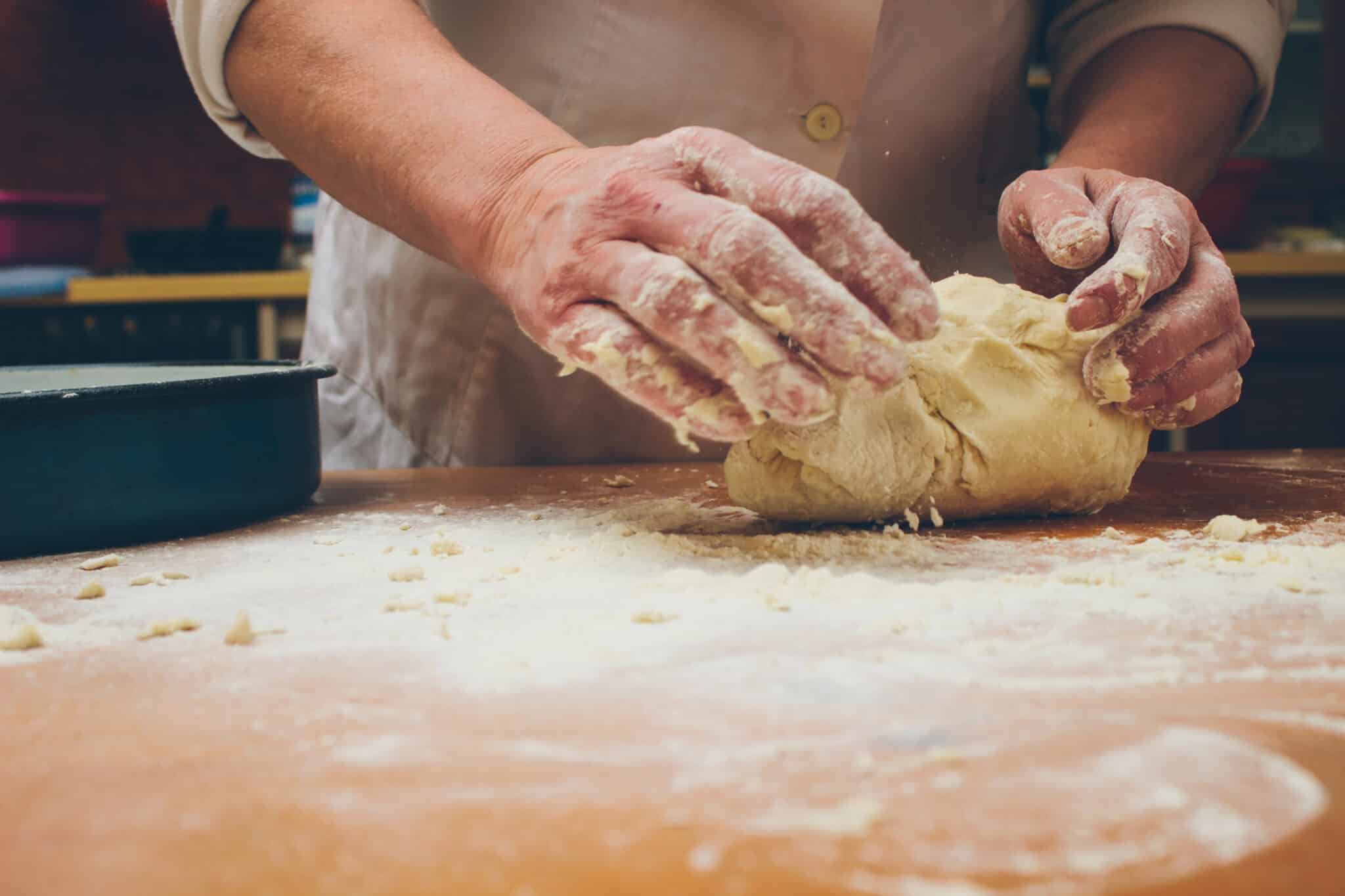

Food Poisoning Linked to Homemade Foods: A Comprehensive Examination
Food poisoning, also known as foodborne illness, occurs when individuals consume contaminated food. While many associate foodborne illness with dining out or eating processed food, homemade meals can also be a significant source of food poisoning. Homemade foods, often seen as healthier and safer, carry unique risks that can lead to outbreaks of illness, primarily due to improper food handling, storage, and cooking practices. This article examines the causes of food poisoning linked to homemade foods, explores common culprits, and provides strategies for minimizing the risk of contamination.
Understanding Foodborne Illness
Foodborne illness is typically caused by pathogens such as bacteria, viruses, parasites, and toxins that contaminate food. According to the Centers for Disease Control and Prevention (CDC), about 48 million people in the United States get sick from foodborne illnesses each year, with 128,000 hospitalizations and 3,000 deaths (https://www.cdc.gov/foodborneburden/index.html). While many associate foodborne illness with commercial food production or restaurants, it can just as easily occur in home kitchens due to mishandling, improper cooking, or cross-contamination.
Common Pathogens Responsible for Food Poisoning at Home
Several microorganisms are responsible for food poisoning outbreaks linked to homemade foods. The most common include:
- Salmonella: This bacterium is often associated with raw or undercooked eggs, poultry, and meat. It can also contaminate vegetables, fruits, and even processed foods that come into contact with animal products. Salmonella can survive on surfaces and in improperly cleaned kitchen equipment, which contributes to its spread (https://www.cdc.gov/salmonella/index.html).
- Escherichia coli (E. coli): E. coli is typically linked to raw or undercooked beef, especially ground beef, but it can also contaminate raw milk, fruits, and vegetables. Some strains of E. coli, like O157, are particularly dangerous, causing severe gastrointestinal symptoms and sometimes leading to kidney failure (https://www.cdc.gov/ecoli/index.html).
- Campylobacter: This bacterium is a common cause of food poisoning, often linked to raw or undercooked poultry and unpasteurized milk. Campylobacter infections typically result from poor food handling and improper kitchen sanitation practices (https://www.cdc.gov/campylobacter/index.html).
- Listeria monocytogenes: Listeria is particularly concerning for pregnant women, newborns, the elderly, and those with weakened immune systems. It is often found in raw milk, soft cheeses, smoked seafood, and deli meats. Unlike many other bacteria, Listeria can grow at refrigerator temperatures, making it particularly dangerous in homemade foods that aren’t properly stored (https://www.cdc.gov/listeria/index.html).
- Norovirus: This highly contagious virus spreads quickly in enclosed spaces, including homes. Norovirus is typically transmitted through contaminated food or water and can also spread from person to person. It is often linked to salads, sandwiches, and other foods that are handled extensively by hand (https://www.cdc.gov/norovirus/index.html).
- Clostridium botulinum: The bacterium that causes botulism produces a toxin that can lead to severe illness and even death. Botulism is often associated with improperly home-canned foods, where the low-oxygen environment allows the bacteria to produce its deadly toxin. Low-acid foods, such as meats, fish, and vegetables, are particularly at risk if canning processes are not followed correctly (https://www.cdc.gov/botulism/index.html).
Homemade Foods Most Commonly Linked to Food Poisoning
While any homemade food has the potential to cause food poisoning if not prepared, cooked, or stored properly, some categories of homemade foods are more prone to contamination. These include:
1. Home-Canned Foods
Improperly canned foods are one of the most dangerous sources of food poisoning. Canning involves sealing food in airtight containers and heating them to destroy bacteria. However, if the canning process isn’t done correctly, the anaerobic (oxygen-free) environment in the sealed containers can allow Clostridium botulinum to grow and produce its deadly toxin.
A significant case of home-canned food poisoning occurred in 1977 in New Mexico, when 59 people were hospitalized with botulism after eating improperly canned jalapeños. Investigations revealed that the canning process used by the individuals did not reach the required temperatures to kill C. botulinum spores (https://pubmed.ncbi.nlm.nih.gov/866346/).
To prevent botulism, it is essential to follow recommended home canning procedures, including using pressure canners for low-acid foods. Water bath canning is safe for high-acid foods like fruits, jams, and pickles, but it is insufficient for low-acid foods such as meats, vegetables, and seafood (https://nchfp.uga.edu/publications/publications_usda.html).
2. Undercooked Meat and Poultry
Undercooking meat and poultry at home is a leading cause of foodborne illness. Many people underestimate the importance of cooking meats to safe internal temperatures, relying on visual cues like color rather than using a food thermometer. Salmonella, Campylobacter, and E. coli can thrive in undercooked meat, leading to significant health risks.
For example, a family in Texas experienced a Salmonella outbreak after grilling chicken for a backyard barbecue. The chicken appeared cooked on the outside, but internal temperatures had not reached the recommended 165°F, allowing Salmonella bacteria to survive (https://www.cdc.gov/salmonella/index.html).
The USDA recommends the following internal temperatures for cooking meat safely:
- Poultry (whole or ground): 165°F (74°C)
- Ground meats (except poultry): 160°F (71°C)
- Beef, pork, lamb, and veal (steaks, chops, roasts): 145°F (63°C) with a rest time of at least three minutes (https://www.fsis.usda.gov/safetempchart).
3. Raw or Lightly Cooked Eggs
Raw or lightly cooked eggs are another common source of foodborne illness. While eggs are an excellent source of protein, they can harbor Salmonella, particularly on their shells or within the egg itself. Homemade foods like raw cookie dough, hollandaise sauce, and soft-boiled or poached eggs present risks when not properly handled.
In 1984, a widespread Salmonella outbreak occurred in Massachusetts, where dozens of people fell ill after consuming homemade eggnog prepared with raw eggs (https://www.cdc.gov/salmonella/index.html). To reduce the risk, the CDC recommends using pasteurized eggs or cooking eggs thoroughly until both the yolk and white are firm.
4. Unpasteurized Dairy Products
Raw (unpasteurized) milk and dairy products, including cheeses and yogurts made from raw milk, can be contaminated with harmful bacteria such as Listeria, E. coli, and Salmonella. Despite being touted for their natural qualities, unpasteurized dairy products are associated with several foodborne illness outbreaks.
In 2011, an outbreak of Campylobacter infections was linked to raw milk consumption in Pennsylvania. Many of the individuals affected were families who purchased the raw milk directly from a local farm, unaware of the risks associated with unpasteurized dairy (https://www.cdc.gov/campylobacter/outbreaks/rawmilk.html).
To reduce the risk, experts recommend consuming only pasteurized dairy products, as pasteurization effectively kills harmful bacteria without significantly altering the nutritional quality of the milk (https://www.fda.gov/food/buy-store-serve-safe-food/raw-milk-questions-and-answers).
5. Fresh Produce
While fruits and vegetables are an essential part of a healthy diet, they can also be contaminated with pathogens like E. coli, Salmonella, and Listeria due to exposure to contaminated water or soil. Homemade salads, raw vegetable dishes, and smoothies can pose risks if fresh produce isn’t washed properly or handled with care.
The 2006 E. coli outbreak linked to spinach serves as a stark reminder of how dangerous contaminated produce can be. Although this outbreak involved commercially packaged spinach, similar risks exist for homegrown or locally purchased produce if not properly cleaned and prepared (https://www.cdc.gov/ecoli/2006/spinach-10-06/index.html).
To minimize the risk of contamination, the CDC recommends washing all fruits and vegetables under running water before eating or preparing them, even if they will be peeled or cooked (https://www.cdc.gov/foodsafety/communication/steps-healthy-fruits-veggies.html).
6. Fermented Foods
Fermentation is a traditional method of preserving food that has gained popularity in recent years for its health benefits. However, improper fermentation practices can lead to the growth of harmful bacteria and the production of toxins. Homemade fermented foods like sauerkraut, kimchi, yogurt, and kombucha are susceptible to contamination if not prepared or stored under proper conditions.
In 2012, a family in California fell ill after consuming homemade fermented tofu that was contaminated with Clostridium botulinum. The improper sealing and storage of the tofu created an anaerobic environment conducive to botulism toxin production (https://www.ncbi.nlm.nih.gov/pmc/articles/PMC3084477/).
Fermenting foods safely requires strict adherence to recipes and techniques that ensure an appropriate balance of salt, acidity, and temperature to prevent the growth of harmful microorganisms (https://nchfp.uga.edu/how/can_06/ferment.html).
Risk Factors for Food Poisoning in Home Kitchens
Several factors contribute to the risk of food poisoning in home kitchens. These include:
1. Cross-Contamination
Cross-contamination occurs when harmful bacteria from raw foods like meat, poultry, or seafood transfer to other foods, surfaces, or utensils. In many cases, this happens because of improper food handling practices, such as using the same cutting board for raw meat and fresh produce or failing to wash hands thoroughly between tasks.
2. Improper Food Storage
Storing food at the wrong temperature can encourage the growth of harmful bacteria. The “danger zone” for bacterial growth is between 40°F (4°C) and 140°F (60°C). Leaving perishable foods like meat, dairy, and cooked dishes at room temperature for extended periods can result in bacterial growth and foodborne illness.
3. Inadequate Hand Hygiene
Failing to wash hands thoroughly before handling food or after touching raw meat, eggs, or other potentially contaminated items is a significant risk factor for foodborne illness in the home. Washing hands with soap and water for at least 20 seconds is crucial for preventing the spread of harmful pathogens (https://www.cdc.gov/handwashing/when-how-handwashing.html).
4. Inaccurate Temperature Measurement
Many home cooks rely on visual cues to determine whether food is cooked thoroughly, but this can lead to undercooking. Using a food thermometer to check the internal temperature of meats, poultry, and egg dishes is the only reliable way to ensure they are safe to eat.
Preventing Foodborne Illness in Homemade Foods
While food poisoning linked to homemade foods is a significant concern, it is also preventable. By following safe food handling, cooking, and storage practices, home cooks can significantly reduce the risk of contamination. Here are key strategies for preventing foodborne illness:
1. Follow Proper Canning Procedures
For those who enjoy home canning, following established guidelines is essential for preventing botulism and other forms of food poisoning. Using a pressure canner for low-acid foods, following tested recipes, and ensuring proper sealing and storage are critical steps in safe home canning (https://nchfp.uga.edu/publications/publications_usda.html).
2. Cook Foods to Safe Temperatures
Always use a food thermometer to ensure that meats, poultry, and egg dishes are cooked to safe internal temperatures. Avoid relying on visual cues like color or texture, as these can be misleading.
3. Wash Hands and Surfaces Regularly
Proper hand hygiene is crucial in preventing cross-contamination in the kitchen. Wash hands thoroughly with soap and water before preparing food, after handling raw meat, and after touching any potentially contaminated surfaces or utensils.
4. Prevent Cross-Contamination
Use separate cutting boards for raw meat and fresh produce, and clean utensils, surfaces, and hands between tasks. Raw meat should be stored separately from other foods to avoid contamination.
5. Store Foods at Safe Temperatures
Refrigerate perishable foods promptly and never leave them at room temperature for extended periods. Foods should be stored at 40°F (4°C) or below to prevent bacterial growth.
6. Be Cautious with Fermentation
When fermenting foods at home, ensure that the proper balance of salt, acidity, and temperature is maintained to prevent harmful bacteria from growing. Follow tested recipes and guidelines to ensure the safety of fermented foods.
Conclusion
Food poisoning linked to homemade foods is a significant but often overlooked concern. While home-cooked meals are generally perceived as safer and healthier than restaurant or processed foods, improper food handling, cooking, storage, and preservation can lead to contamination and illness. Understanding the common pathogens associated with foodborne illness, the foods most at risk, and the factors that contribute to contamination in home kitchens is crucial for preventing food poisoning at home. By adopting safe food preparation practices, home cooks can reduce the risk of foodborne illness and ensure that their meals are both delicious and safe to eat.
