

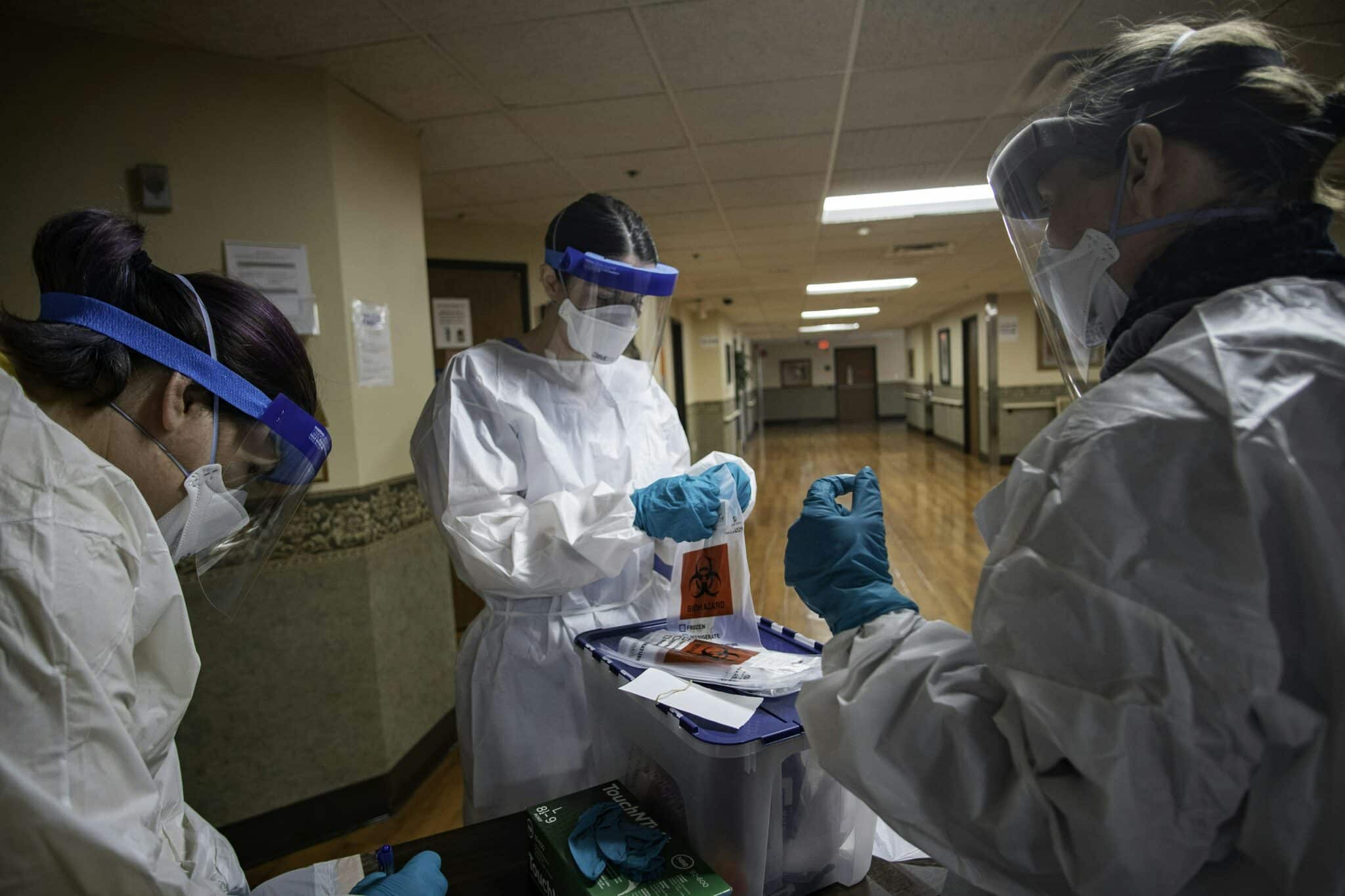

The Centers for Disease Control and Prevention (CDC) plays a pivotal role in protecting public health in the United States, particularly when it comes to foodborne illness outbreaks. Identifying and responding to multistate foodborne outbreaks is one of the CDC’s most critical responsibilities. These events are complex, often involving numerous patients, multiple states, and different levels of government working in tandem. Understanding how the CDC identifies such outbreaks sheds light on a process that protects millions from widespread illness.
Step 1: Routine Surveillance and Reporting
The CDC relies on a robust national surveillance system to detect possible outbreaks. One key tool is the National Notifiable Diseases Surveillance System (NNDSS), where local and state health departments report laboratory-confirmed cases of foodborne pathogens such as Salmonella, Listeria monocytogenes, and Escherichia coli O157:H7.
When doctors or laboratories diagnose a patient with a foodborne illness, that information is sent to the state health department and then to the CDC. Each report includes critical data: patient demographics, symptoms, and lab test results. The CDC collects and analyzes this information to identify unusual increases in cases that may signal a potential outbreak.
Step 2: Genetic Fingerprinting of Pathogens
Identifying isolated cases of infection isn’t enough. To determine if they are related, the CDC and its partners use whole genome sequencing (WGS) to analyze the DNA of bacteria isolated from sick individuals. This is done through PulseNet, a national laboratory network coordinated by the CDC.
PulseNet allows scientists to detect clusters of illnesses caused by genetically similar strains of bacteria. When two or more people from different states are infected with bacteria that are genetically indistinguishable, it may indicate a multistate outbreak stemming from a common food source.
For example, in a Listeria outbreak linked to packaged salads in 2021, WGS played a vital role in confirming that cases reported across several states were caused by the same strain of bacteria.
Step 3: Epidemiologic Investigation
Once the CDC suspects an outbreak, it partners with state and local health departments to conduct detailed interviews with patients. Investigators ask about the foods the patient ate, where they shopped, recent travel, and even events they attended. This data is compared across cases to identify commonalities.
A statistical tool called a case-control study may be used, where data from sick people (cases) is compared to data from healthy individuals (controls) to identify specific foods or behaviors associated with illness.
For example, during the 2018 E. coli outbreak tied to romaine lettuce, interview data from numerous patients pointed to a specific region in California as the source of the contaminated produce.
Step 4: Traceback and Laboratory Testing
Once a food or brand is suspected, the CDC works with the U.S. Food and Drug Administration (FDA) and the U.S. Department of Agriculture’s Food Safety and Inspection Service (FSIS) to perform a traceback investigation. This involves tracing the food item back through the supply chain—from restaurants and grocery stores to distributors and farms—to find a common source.
Food samples and environmental swabs from suspected facilities are tested for contamination. If the same strain of bacteria found in patients is also found in a food product or production environment, it strengthens the evidence of a link.
Step 5: Public Communication and Control Measures
Once a source is confirmed or strongly suspected, the CDC issues public health alerts and food safety advisories. These notices inform consumers, retailers, and restaurants to discard or return affected products. In coordination with FDA or FSIS, recalls may be initiated to remove contaminated food from the market.
The CDC also publishes updates on its website, maintains an outbreak database, and communicates through press releases and social media to reach the widest audience possible.
Recent Examples
- 2024 McDonald’s E. coli Outbreak: Linked to Quarter Pounder burgers, this outbreak resulted in 49 illnesses and was identified through genetic matching and epidemiological interviews.
- 2022 Peanut Butter Salmonella Outbreak: The CDC used genetic sequencing and patient interviews to trace the source to a specific manufacturing facility, prompting a massive recall.
Final Note
Identifying a multistate foodborne illness outbreak is a complex but essential process that combines cutting-edge science with classic investigative techniques. The CDC plays a leading role, but collaboration with state and local health departments, the FDA, FSIS, and public health labs is critical to stopping outbreaks quickly and preventing additional illnesses.
Public awareness, rapid reporting, and adherence to food safety guidelines are also essential. As food supply chains grow increasingly complex and global, the work of organizations like the CDC becomes more important than ever in protecting public health.
