


City health officials confirmed on July 25, 2025 that a cluster of Legionnaires’ disease cases had emerged in Central Harlem. Initial reports identified 22 individuals infected and one death. As of August 5, the total has rapidly grown to 67 confirmed cases, and a third person has died from the illness. This outbreak is centered in Harlem zip codes 10027, 10030, 10035, 10037, and 10039.
Source Traced to Cooling Towers
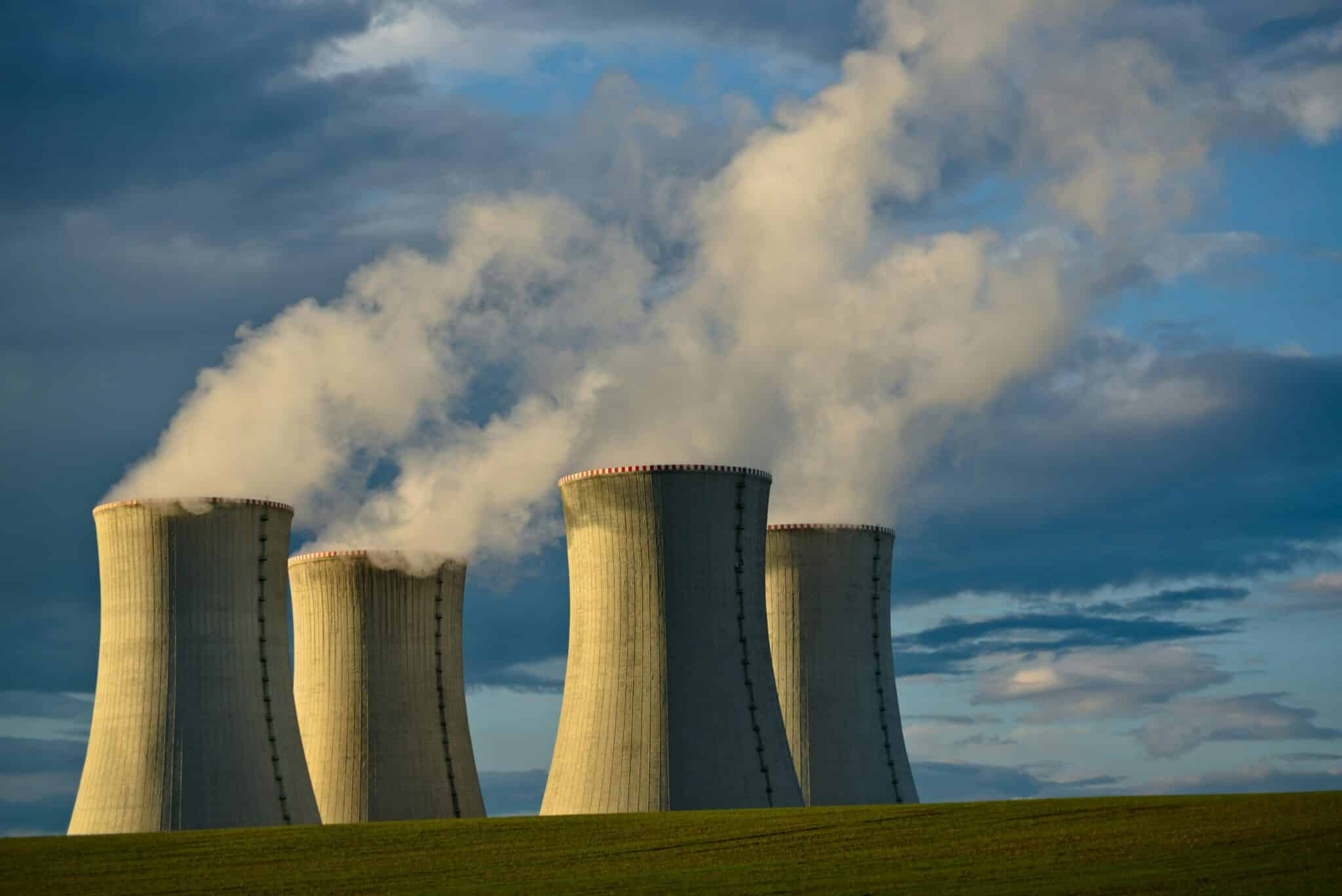
Investigators traced the outbreak to 11 rooftop cooling towers contaminated with Legionella pneumophila, the bacteria responsible for Legionnaires’ disease. The towers have since been disinfected under city orders, with remediation completed within the mandated 24 hours.
Legionnaires’ Disease: How It Spreads and Symptoms
Legionnaires’ disease is a serious form of pneumonia caused by inhaling water droplets containing Legionella bacteria. These bacteria thrive in warm water systems like cooling towers, hot tubs, and humidifiers.
Symptoms may appear 2 to 14 days after exposure, including:
- Cough
- Fever
- Chills
- Muscle aches
- Shortness of breath
- Headache
Treatment with antibiotics is effective when started promptly.
At‑Risk Groups and Fatality
Individuals most vulnerable include adults aged 50 and older, smokers, and those with chronic lung disease or weakened immune systems. National data places the mortality rate near 10%, though it rises for those with serious medical conditions.
Public Health Actions Taken
The NYC Department of Health ordered immediate disinfection of contaminated cooling towers. Officials emphasize that tap water remains safe for drinking, and air conditioning units are not linked to the outbreak.
Acting Health Commissioner Dr. Michelle Morse urged residents in impacted zip codes to seek medical attention if they experience flu‑like symptoms. Clinicians across the city have also been alerted to consider Legionnaires’ disease in pneumonia patients.
Historical Context
This Harlem outbreak recalls the major 2015 Bronx Legionnaires’ event, where 138 cases and 16 deaths were tied to a single cooling tower. That incident led to stricter regulations regarding tower registration, regular testing, and maintenance.
It also draws comparisons to previous high-profile Legionnaires’ incidents, such as the 2019 outbreak at the Sheraton Atlanta Hotel, where 12 people were hospitalized and one person died after exposure to contaminated water systems in the hotel. That case led to a temporary hotel closure and a multimillion-dollar legal and public health response. Like the Harlem outbreak, it emphasized the dangers of Legionella exposure in poorly maintained or overlooked water systems and showed how a single building can become the source of a widespread health crisis if not monitored closely.
Preventive Measures and Individual Advice
Building owners statewide must register cooling towers and follow protocols for testing and sanitation. Residents can protect themselves by:
- Maintaining clean showerheads and faucets
- Draining garden hoses and water heaters regularly
- Using chlorine‑based disinfectants in pools or hot tubs
- Ensuring hot water heaters operate at recommended temperatures
Symptoms Summary and Call for Treatment
Legionnaires’ disease mimics pneumonia or flu, with most cases starting mild and worsening in the first week. Complications may include respiratory failure or organ failure. Early antibiotic treatment is essential for preventing severe outcomes.
Why the Harlem Outbreak Matters
This incident highlights vulnerabilities in urban infrastructure and the importance of proactive maintenance. Cooling towers can spread bacteria widely through aerosolized mist, even across city blocks. Neighborhoods with older buildings or limited resources are especially at risk
What Residents Should Do
Residents or visitors in the affected Harlem zip codes should:
- Watch for symptoms like fever, cough, chills, or breathing issues
- Seek medical care early, especially if over age 50 or with lung conditions
- Inform providers of potential exposure to Legionella
Treatment is accessible and can prevent severe illness if begun promptly.
Final Note
The Harlem Legionnaires’ outbreak serves as a stark reminder that water systems in modern cities require vigilant oversight. While rare, outbreaks can escalate quickly and disproportionately affect vulnerable populations. Regular inspection and maintenance of cooling towers and water systems are essential to prevent future risks. Continued vigilance and prompt action remain key to protecting public health in urban environments.
