

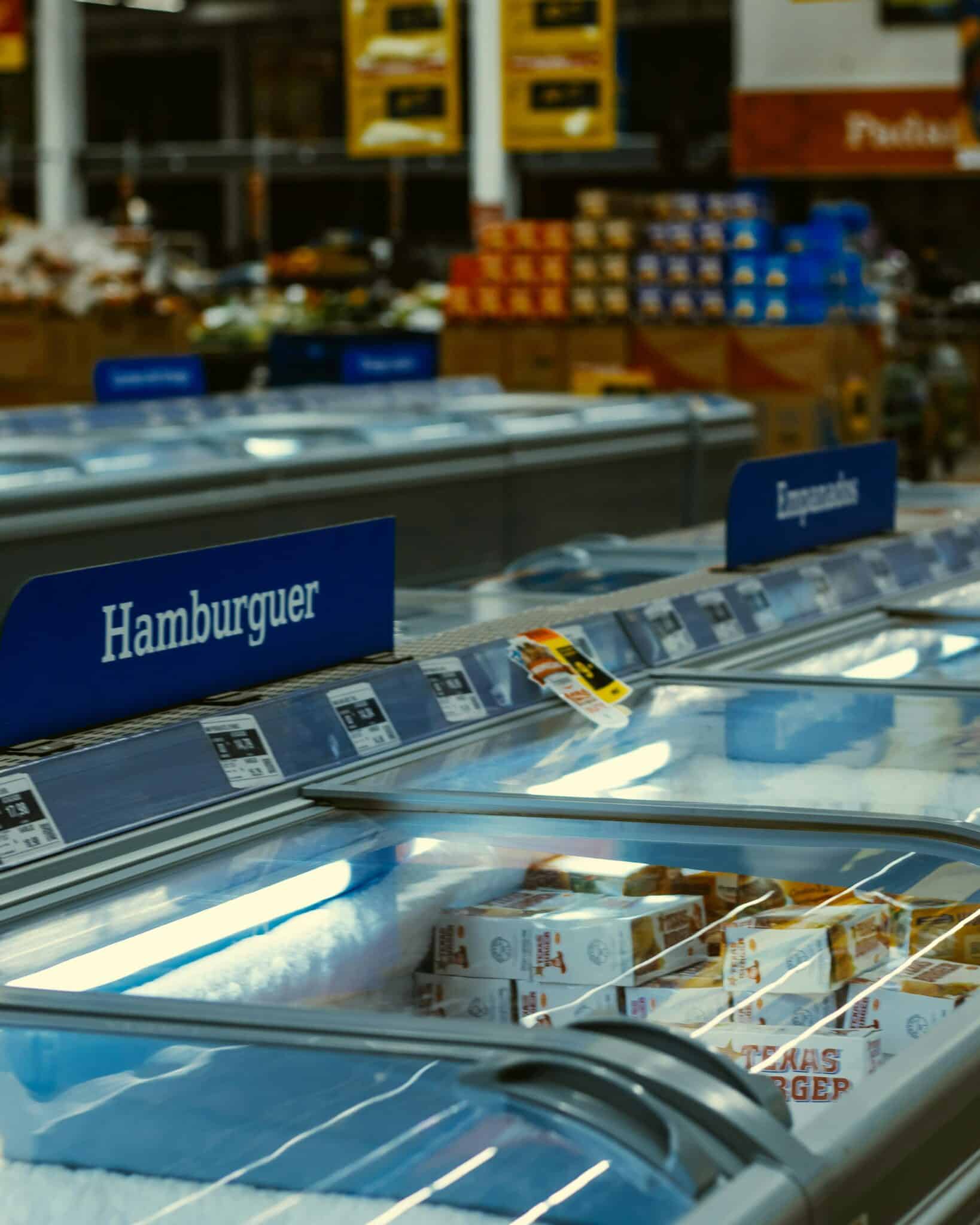

Listeria monocytogenes is a Gram-positive, facultative anaerobic bacterium that presents a significant public health risk due to its ability to survive and proliferate under conditions that are typically inhibitory to many other pathogens. According to Listeria lawyer Ron Simon:
“This resilience is particularly notable in its capacity to endure and even grow at refrigeration temperatures. The ability of Listeria to persist in cold environments makes it a formidable concern in food safety. In fact, every year there are food borne outbreaks of listeria, and they are often deadly.”
Understanding the mechanisms behind Listeria’s adaptability to cold temperatures provides insight into effective control measures to mitigate its impact.
Environmental Persistence and Adaptability
Listeria monocytogenes is highly adaptable to various environmental conditions. Unlike many bacteria that experience significant growth inhibition at low temperatures, Listeria can survive and proliferate in conditions ranging from -1.5°C to 45°C. This temperature range allows it to persist in refrigerated and frozen foods, making it one of the few foodborne pathogens capable of growing at such low temperatures.
Mechanisms of Cold Tolerance
Listeria’s ability to survive and grow at cold temperatures is attributed to multiple physiological and genetic adaptations. These include modifications in membrane composition, cold shock proteins, and enhanced metabolic flexibility.
Membrane Adaptations
Bacterial cell membranes play a crucial role in maintaining cell integrity and function under varying environmental conditions. At cold temperatures, membranes tend to become more rigid, which can impede nutrient transport and other cellular functions. Listeria counters this by altering its membrane lipid composition through:
- Increased Unsaturated Fatty Acids – Listeria increases the proportion of unsaturated fatty acids in its membrane, which prevents membrane solidification and maintains fluidity at low temperatures.
- Branched-Chain Fatty Acids – The presence of branched-chain fatty acids further enhances membrane flexibility, allowing the bacterium to sustain essential functions even at refrigeration temperatures.
Cold Shock Proteins (CSPs)
Cold shock proteins play a vital role in Listeria’s ability to survive cold stress. These proteins are rapidly produced in response to temperature drops and assist in the maintenance of RNA stability, protein synthesis, and enzymatic activity. Some key CSPs include:
- CspA, CspB, and CspD – These proteins facilitate efficient translation and proper folding of newly synthesized proteins under cold stress.
- RNA Chaperones – They help stabilize RNA structures, preventing degradation and ensuring continued gene expression.
Cryoprotectants and Compatible Solutes
Listeria employs cryoprotectants and compatible solutes to counteract the damaging effects of cold temperatures. These molecules help maintain cellular stability and osmotic balance. Some key solutes include:
- Trehalose and Glycine Betaine – These compounds protect proteins and cellular structures from cold-induced damage.
- Proline Accumulation – Proline serves as a stabilizer for enzymes and proteins, allowing metabolic functions to continue even in cold environments.
Metabolic Flexibility
Listeria exhibits remarkable metabolic flexibility, enabling it to utilize a wide range of carbon and nitrogen sources. At cold temperatures, metabolic efficiency is often reduced due to lower enzymatic activity. However, Listeria compensates for this through:
- Enhanced Uptake of Nutrients – Listeria possesses specialized transport systems that remain active at low temperatures, allowing it to efficiently absorb essential nutrients.
- Alternative Energy Sources – The bacterium can metabolize various sugars, amino acids, and even lipids to generate energy under nutrient-limited conditions.
- Biofilm Formation – Biofilms enhance Listeria’s survival in food-processing environments by providing a protective barrier against environmental stresses, including cold temperatures.
Role of Stress Response Regulators
Several regulatory systems contribute to Listeria’s ability to withstand cold temperatures. These include:
- Sigma Factor B (σB) – This transcription factor regulates genes involved in stress responses, including those required for cold adaptation.
- PrfA – A key regulator of virulence genes, PrfA also plays a role in metabolic regulation under stress conditions, helping Listeria persist in cold environments.
- Two-Component Systems (TCSs) – These signaling pathways detect environmental changes and activate appropriate stress responses to enhance survival.
Implications for Food Safety
Listeria monocytogenes poses a serious threat to food safety due to its ability to grow in refrigerated environments. Common foodborne sources of Listeria include:
- Ready-to-Eat (RTE) Foods – Deli meats, soft cheeses, and smoked seafood are high-risk products due to their storage at refrigeration temperatures.
- Dairy Products – Unpasteurized milk and cheese can harbor Listeria, increasing the risk of infection.
- Fresh Produce – Contaminated fruits and vegetables can support Listeria growth, especially when stored for extended periods.
Preventive Measures and Control Strategies
To mitigate the risks associated with Listeria contamination, several control measures are employed in the food industry:
- Proper Refrigeration and Sanitation – Regular cleaning and sanitization of food processing environments help eliminate biofilms and prevent Listeria persistence.
- Modified Atmosphere Packaging (MAP) – Adjusting oxygen and carbon dioxide levels in packaging can inhibit Listeria growth.
- Use of Natural Antimicrobials – Bacteriocins, organic acids, and essential oils have shown promise in controlling Listeria growth in food products.
- Strict Regulatory Compliance – Agencies such as the FDA and USDA enforce strict regulations to monitor and control Listeria in food production.
Conclusion
Listeria monocytogenes possesses a unique ability to survive and proliferate at cold temperatures due to its physiological and genetic adaptations. By modifying its membrane composition, producing cold shock proteins, accumulating cryoprotectants, and employing stress response regulators, Listeria effectively thrives in refrigerated environments. This capability poses significant food safety risks, emphasizing the need for stringent control measures in the food industry. Understanding the mechanisms of Listeria’s cold adaptation is crucial for developing effective strategies to mitigate contamination and prevent foodborne outbreaks.
