

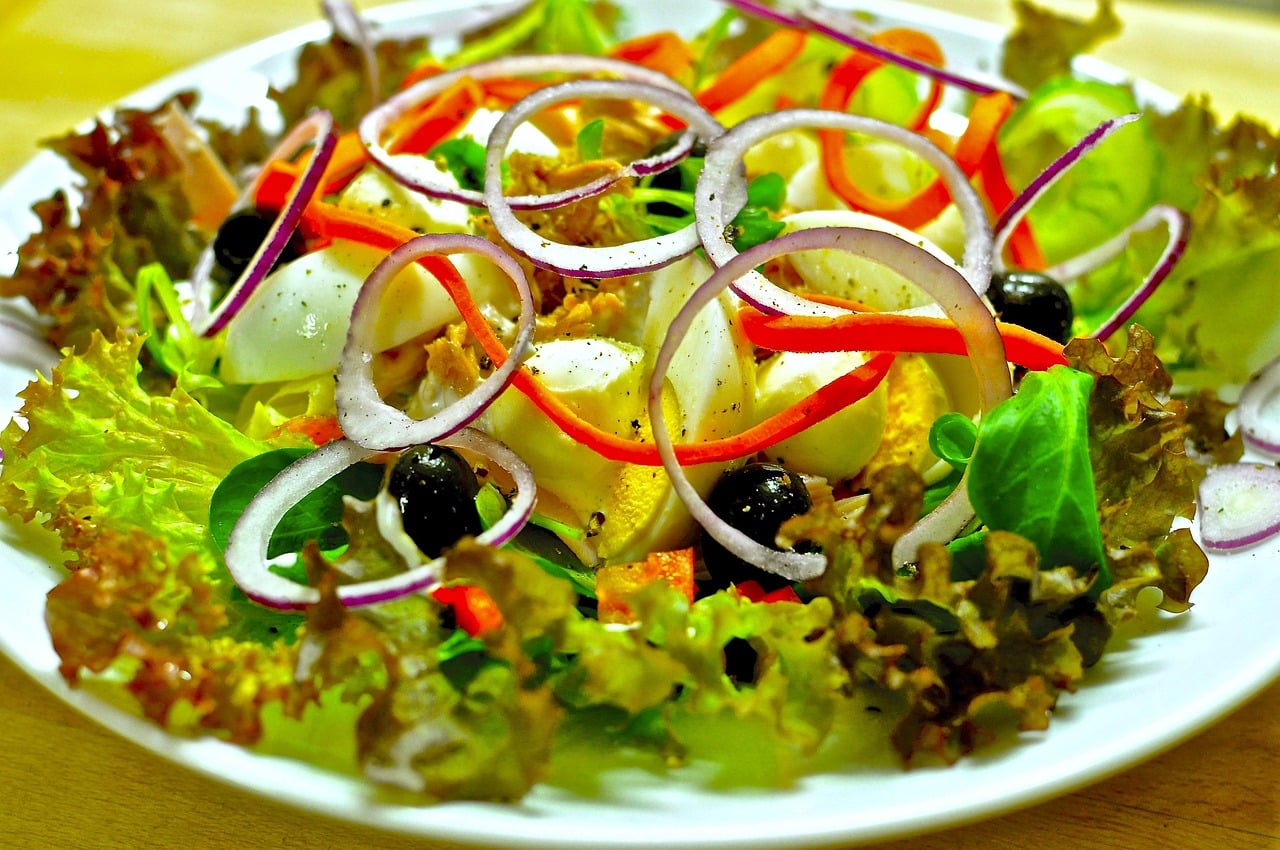

Pre-packaged salads have become a go-to for busy consumers looking for a quick, healthy meal. Sold in clamshells, bags, or ready-to-eat bowls, they appear fresh, colorful, and safe. Unfortunately, they are also one of the most frequent sources of large-scale food poisoning outbreaks in the United States.
Leafy greens such as romaine, spinach, and kale are highly susceptible to contamination by E. coli O157:H7, Listeria monocytogenes, and Salmonella. These pathogens often originate in irrigation water or soil and can survive through harvesting, packaging, and distribution. Because salads are rarely cooked, bacteria aren’t destroyed before consumption.
Bagged salads in particular create an added challenge: once the leaves are cut and sealed, juices released from the produce create a moist environment where bacteria multiply. Modified-atmosphere packaging can even allow pathogens to persist longer. One bag of contaminated lettuce has the potential to sicken hundreds of people across multiple states.
Notable outbreaks include the 2006 nationwide spinach E. coli crisis, the repeated romaine lettuce recalls of the past decade, and more recent multi-state cyclospora outbreaks traced to pre-packaged salad kits. Victims have suffered serious consequences, including hemolytic uremic syndrome (HUS), kidney damage, and even death.
The financial and physical toll of such illnesses is severe. Hospital bills, missed work, and long-term health complications leave families struggling. This is where food poisoning attorneys play an essential role. Firms such as Ron Simon & Associates have represented thousands of outbreak victims, helping them recover compensation and demand accountability from growers and distributors.
Consumers can take precautions — rinsing greens, checking expiration dates, and refrigerating promptly — but these steps do not guarantee safety. Once contamination occurs in the field or factory, it is nearly impossible for individuals to remove pathogens at home.
For ongoing alerts and recall information, it is always a good idea to find a trusted source. Furthermore, pre-packaged salads may save time, but consumers should know that convenience often comes with hidden risks that demand vigilance.
