

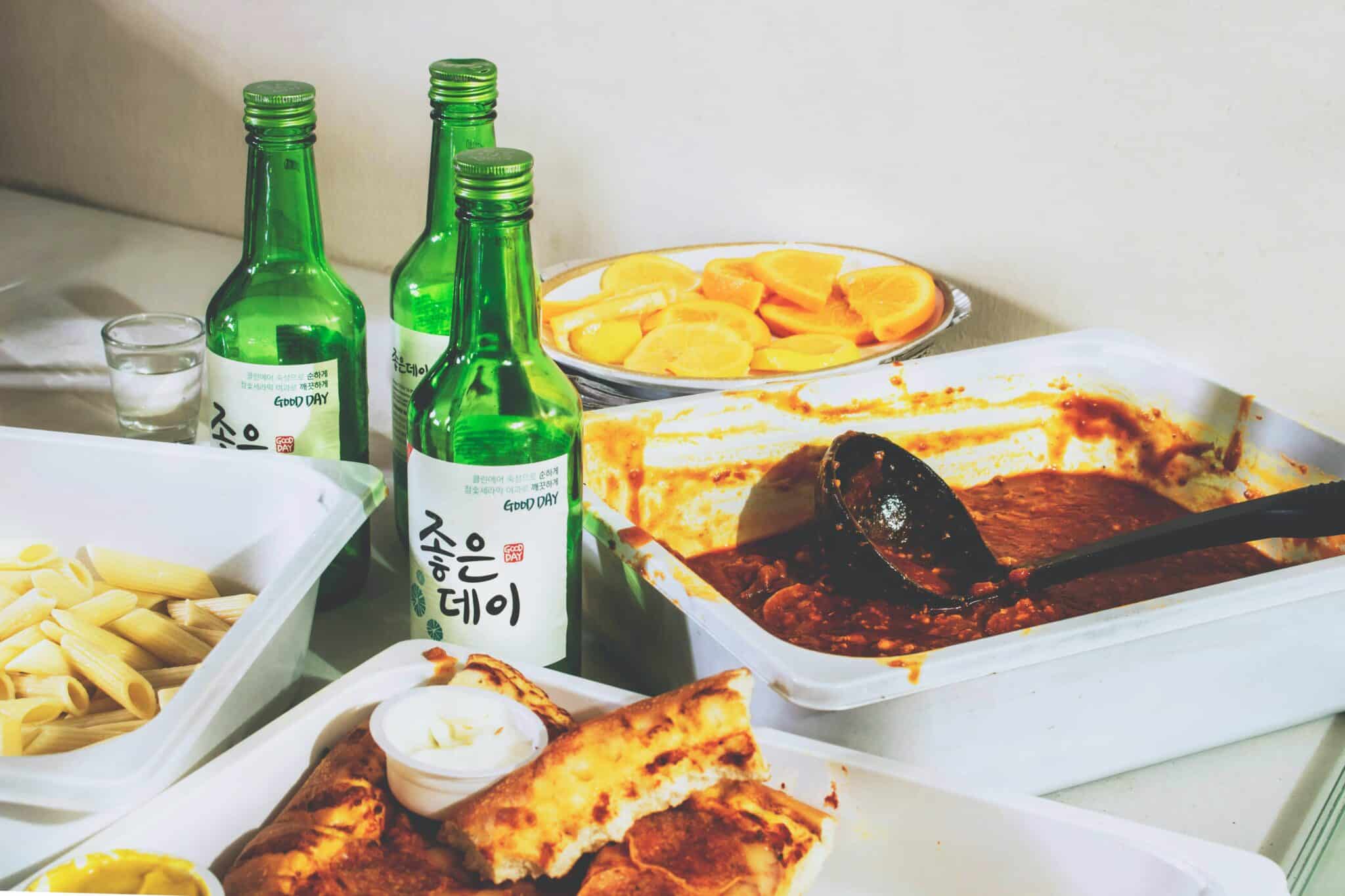

There are few greater joys in life than cracking open the fridge at midnight, bleary-eyed and hungry, to discover a plate of last night’s spaghetti staring back at you like a savory siren. But behind every leftover lurks a potential villain — and his name is Clostridium perfringens.
Welcome to the wild world of food poisoning, where your own refrigerator might secretly be plotting your downfall.
The Fridge Is Not a Time Machine
Let’s face it — we’ve all done it. You open the fridge, see the half-eaten burrito from two days ago, give it a sniff (the universal food safety test), and convince yourself, “It smells fine, it’s probably fine.”
Spoiler: “Probably” is the least reassuring word in food safety.
What most of us don’t realize is that leftovers left too long at room temperature — like that lasagna you meant to put away last night but got distracted by a Netflix cliffhanger — become incubators for bacteria that multiply faster than conspiracy theories on the internet.
Meet the Foodborne Bad Boys
Let’s run through the rogues’ gallery:
- Salmonella – Think of it as the rockstar of foodborne illnesses. It’s everywhere: eggs, poultry, peanut butter, even those innocent-looking prepackaged salads. Causes a party in your gut — and not the good kind.
- E. coli O157:H7 – This one’s the silent assassin. Just a few microscopic bad guys can wreak gastrointestinal havoc. Commonly found in undercooked ground beef, unpasteurized milk, and that one lettuce leaf you forgot to rinse.
- Listeria – The ninja. It sneaks into your fridge, hides in your deli meats and soft cheeses, and unlike other bacteria, thrives in the cold. Think of it as the villain that gets stronger the more you try to stop it.
- Clostridium perfringens – The sidekick with a punch. It loves big batches of food left out for too long — the buffet bandit, the potluck punk.
Midnight Snack, Morning Regret
Picture this: You devour some cold chicken wings at 1:00 a.m., go to sleep satisfied, and by sunrise, you’re praying to the porcelain gods like you’re in the worst tequila hangover of your life — except you didn’t even get to enjoy the tequila.
Stomach cramps, vomiting, diarrhea, cold sweats, and a sudden life reevaluation — the food poisoning starter pack.
And just when you think it’s over, your mom calls to remind you that she told you not to eat food from gas stations.
The Legal Side of Leftovers
While most food poisoning cases are mild, some spiral into serious health crises — kidney failure, neurological complications, and even death. That’s when the lawyers get involved.
“Food safety is not optional — it’s a legal obligation,” says Anthony Coveny, a food poisoning attorney with Ron Simon & Associates. “When companies cut corners and people get hurt, we’re here to hold them accountable and make sure it never happens again.”
So, whether it’s a restaurant that served contaminated chicken or a manufacturer who let E. coli slip into the supply chain, accountability is just as important as antibiotics.
The Food Safety Rules You Should Tattoo on Your Soul
- The Two-Hour Rule: Food should not sit out for more than two hours. One hour if it’s hot and you’re outside. Your food may not smell bad, but bacteria are invisible freeloaders.
- 165 Is the Magic Number: That’s the internal temperature (in Fahrenheit) your leftovers should hit to kill most pathogens. Microwave until lava-hot, not lukewarm.
- When in Doubt, Throw It Out: It’s not wasteful. It’s survival. That four-day-old shrimp fried rice is not worth gambling your intestines on.
- Cold Below 40°F, Hot Above 140°F: The “Danger Zone” is between 40°F and 140°F. Bacteria thrive in that range like college kids at a music festival.
Food Poisoning’s Favorite Holidays
Thanksgiving. Potlucks. Family reunions. Anywhere Aunt Marge brings her infamous chicken salad that sat in the backseat for four hours. These events are the Super Bowl for bacteria. One wrong move and half the guest list ends up canceling brunch the next day.
The Bottom Line
Food poisoning isn’t just a gross inconvenience. It can be dangerous — especially for kids, the elderly, and anyone with a weakened immune system. But most cases are entirely preventable.
So next time you see that questionable plate of enchiladas calling to you at midnight, remember: not all heroes wear capes. Some wear gloves, use thermometers, and say no to sketchy shrimp.
Bon appétit — and safe snacking!
