

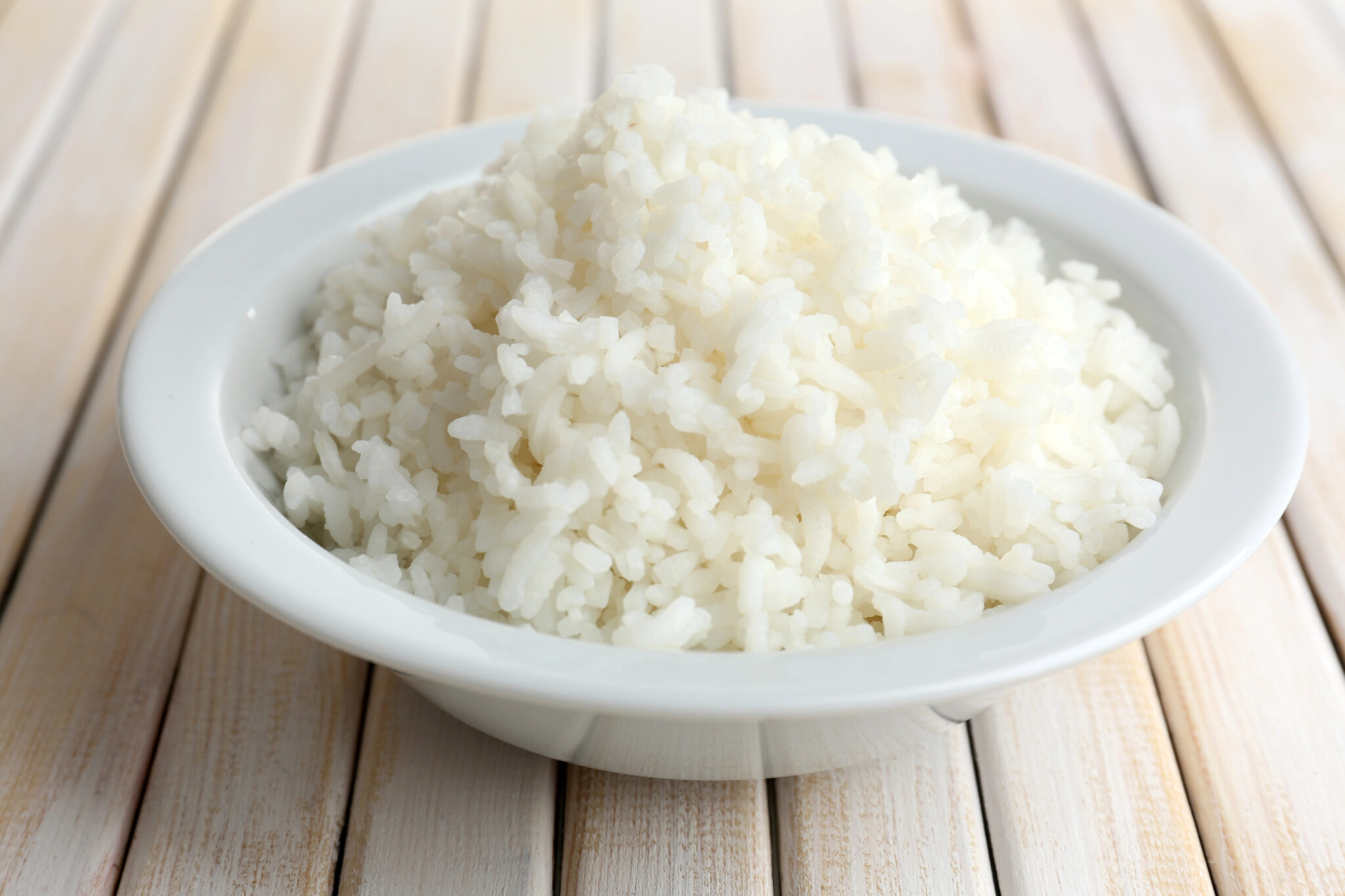

Rice and Bacillus cereus: The Forgotten Cause of “Fried Rice Syndrome”
Rice is a staple food for more than half of the world’s population. It is versatile, affordable, and often prepared in large batches for households, restaurants, and catered events. Yet rice also carries a hidden risk when it is not handled properly. The bacterium Bacillus cereus is a common culprit behind foodborne illness, particularly in rice dishes. In fact, the condition is so well known in food safety circles that it has earned the nickname “fried rice syndrome.” Despite its global prevalence, many people remain unaware of this hazard or underestimate its seriousness.
What is Bacillus cereus?
Bacillus cereus is a spore-forming bacterium that naturally occurs in soil and is commonly found in a variety of foods, including rice, pasta, spices, and dairy products. Its spores are highly resistant to heat, which means they can survive cooking. When rice is cooked and then left to sit at room temperature, the spores can germinate, multiply, and produce toxins. Once these toxins are formed, reheating the rice will not eliminate them. This explains why improperly stored leftover rice poses such a unique risk.
Two Types of Illness
Illness caused by Bacillus cereus typically takes two forms: the emetic (vomiting) type and the diarrheal type.
- Emetic type: This is most often linked to rice dishes. Symptoms, which include nausea and vomiting, usually appear within one to five hours after consumption. Because of the rapid onset, people sometimes mistake it for stomach flu or even alcohol-related sickness.
- Diarrheal type: This form is more often associated with a variety of other foods such as meats, vegetables, and sauces. Symptoms, including diarrhea, abdominal cramps, and occasional nausea, develop six to fifteen hours after eating contaminated food.
While symptoms from either form are usually self-limiting and last less than 24 hours, they can be severe in vulnerable populations such as young children, older adults, or immunocompromised individuals.
Why Rice Is High Risk
Rice’s popularity and cooking methods contribute to its risk profile. Large batches are often cooked and left out during buffets, potlucks, or in restaurant kitchens. Because the spores survive the cooking process, the danger arises when rice is left at warm temperatures where bacteria can multiply rapidly. The “danger zone” for bacterial growth is between 40°F and 140°F. If rice sits in this range for more than two hours, the chances of Bacillus cereus growth increase significantly.
Fried rice is a particularly common vehicle for outbreaks. Restaurants may cook large quantities of rice in advance, store it at room temperature, and later fry it quickly with vegetables, meat, and sauce. The brief stir-frying reheats the rice but does not destroy toxins already present, leading to illness.
Documented Outbreaks
While many cases of Bacillus cereus food poisoning go unreported due to mild symptoms, outbreaks do occur. In some cases, large numbers of people fall ill after eating at catered events or cafeterias where rice or pasta has been improperly stored. Notably, a few severe cases have led to hospitalization and, in very rare circumstances, death. These events highlight the need for awareness even if the illness is often considered mild compared to pathogens like Salmonella or E. coli.
Prevention Strategies
Preventing “fried rice syndrome” is straightforward but requires vigilance:
- Cool rice quickly. After cooking, rice that will not be eaten immediately should be cooled rapidly. This can be done by spreading it out in shallow containers and placing it in the refrigerator.
- Store safely. Cooked rice should be refrigerated within two hours and kept at 40°F or lower.
- Reheat properly. When reheating rice, it should be heated thoroughly to at least 165°F. This kills bacteria, although it cannot neutralize toxins that may already be present.
- Avoid holding rice at room temperature. Rice dishes should not be left out for extended periods, particularly at buffets or potlucks. Using hot-holding equipment that keeps food above 140°F can reduce risks.
- Prepare smaller batches. Cooking smaller amounts of rice more frequently reduces the need to store large volumes for long periods.
Raising Awareness
The term “fried rice syndrome” may sound trivial, but it masks a very real food safety issue. Lack of awareness is a major factor in ongoing cases. Many home cooks and food service workers do not realize that rice can be a vehicle for foodborne illness. Educational campaigns often focus on more familiar pathogens, leaving Bacillus cereus overlooked. By raising awareness about this risk, food safety professionals can encourage safer handling practices both at home and in commercial kitchens.
Final Note
Bacillus cereus may not receive the same level of attention as Salmonella or Listeria, but it remains a persistent cause of foodborne illness worldwide. Rice, especially when cooked in large batches and held at unsafe temperatures, provides the perfect environment for this bacterium to thrive. Simple steps such as cooling rice quickly, refrigerating it properly, and reheating thoroughly can significantly reduce the risk. As fall gatherings, holiday buffets, and large family meals approach, remembering the lessons of “fried rice syndrome” can help keep meals safe and enjoyable.
