


While undercooked poultry and raw eggs are well-known food poisoning risks, several unexpected foods have caused significant outbreaks due to their unique contamination pathways.
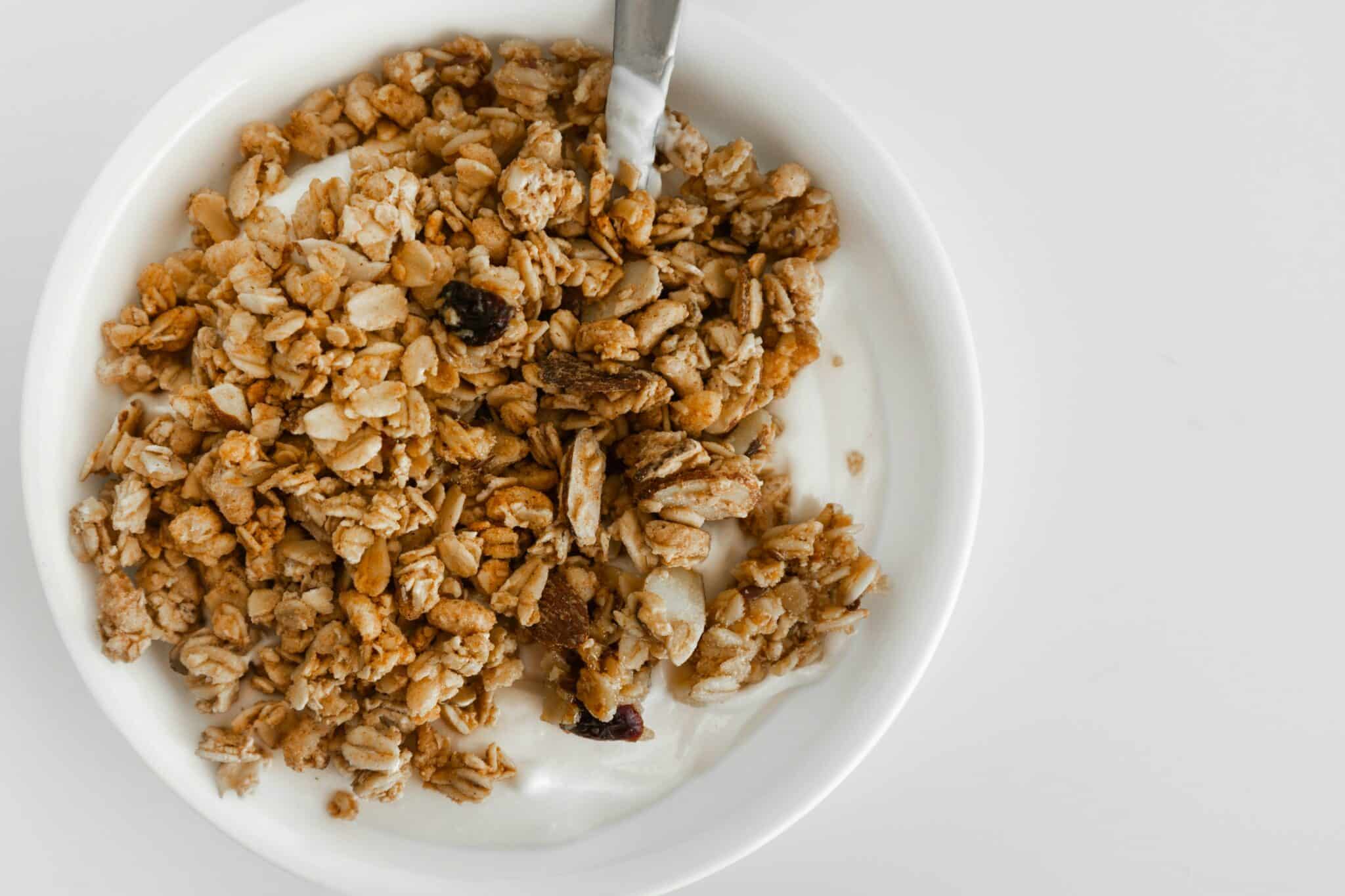
Cereal and Granola
Dry cereals—often perceived as low-risk due to their low moisture content—can harbor Salmonella from contaminated raw grains. In 2018, Kellogg’s Honey Smacks cereal caused a multistate outbreak traced to a single manufacturing facility where Salmonella survived in dry wheat. The bacteria persisted through processing, sickening 136 people across 36 states. This highlights how pathogens can survive in low-water-activity foods.
Ice Cream
Listeria monocytogenes thrives in cold temperatures, making ice cream an unlikely vector. A 2015 outbreak linked to a major brand originated from contaminated equipment in a production facility. Unlike many bacteria, Listeria multiplies in freezing conditions, posing particular risks to pregnant individuals and immunocompromised consumers.
Flour
Raw flour is an agricultural product that typically receives no kill-step before packaging. E. coli and Salmonella from field contamination (e.g., animal feces or tainted irrigation water) can survive for months in dry flour. In 2016, contaminated flour led to illnesses from consuming raw dough or batter, with some strains causing hemolytic uremic syndrome.
Tahini and Sesame Products
The high fat content (57–65%) and low water activity of tahini allow Salmonella to persist for years without growing. Outbreaks linked to sesame paste have spanned multiple countries, with contamination occurring during seed harvesting or roasting. Crucially, the fat matrix protects ingested bacteria from stomach acid, reducing the infectious dose to < 100 cells.
Pre-Cut Melon
Processing operations introduce risks for ready-to-eat fruits. In 2018, pre-cut melon caused a Salmonella outbreak across multiple states due to contamination from equipment or handlers at a single facility. The moist, nutrient-rich flesh of cut melons enables rapid bacterial growth if improperly refrigerated.
Raw Sprouts
Sprouting seeds require warm, humid conditions, ideal for bacterial amplification. Alfalfa, mung bean, and clover sprouts have caused over 50 outbreaks since 1996, primarily from E. coli and Salmonella. Seeds contaminated during growth can reach infectious levels within 5 days of sprouting.
Deli Meats and Hot Dogs
Listeria contaminates processing equipment and survives refrigeration. Sliced deli turkey caused three major outbreaks before 2002, with the bacteria persisting in factory niches for years. A 2024 outbreak linked to Boar’s Head sliced deli meats resulted in 60 hospitalizations and 10 deaths in the United States. Unlike many pathogens, Listeria grows at 40°F (4°C), making refrigerated storage insufficient for risk mitigation.
Unpasteurized Dairy
Raw milk and soft cheeses (e.g., queso fresco) bypass the kill-step of pasteurization, allowing Campylobacter, Cryptosporidium, and Listeria to persist. Unpasteurized dairy causes 840 times more illnesses than pasteurized equivalents, with particular risks for children and pregnant individuals.
These cases once again stress that food safety requires continual awareness beyond conventional high-risk categories, emphasizing the need for rigorous manufacturing controls and consumer awareness of lesser-known hazards.
