

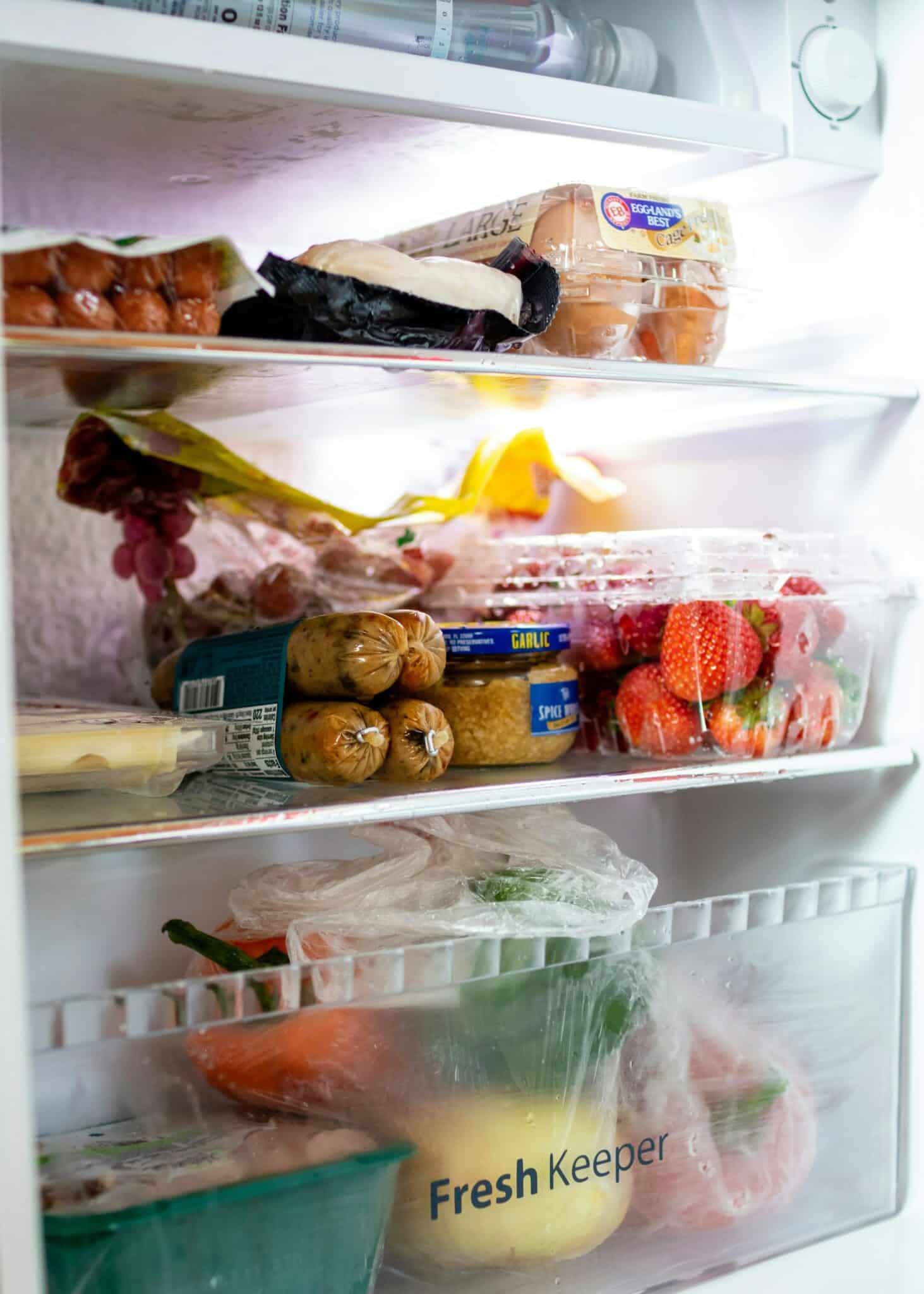

In a world where convenience dominates the way we eat, refrigerated ready-to-eat (RTE) foods have become a staple of daily life. Prepackaged salads, deli meats, cut fruit, and cheese trays are as common in hospital cafeterias as they are in lunchboxes. Their packaging promises safety, and their chill suggests freshness. But for a silent, cold-loving pathogen like Listeria monocytogenes, that cold may be more friend than foe.
Why Listeria Is Different
Unlike many bacteria that thrive in warm environments, Listeria monocytogenes has adapted to cold. It survives — and even grows — at temperatures as low as 32°F. That means foods stored in your fridge aren’t immune. When Listeria contaminates ready-to-eat products, there’s often no cooking step to kill it before it reaches your plate.
This makes RTE foods especially risky. Leafy greens, deli meats, soft cheeses, and packaged salads have all been implicated in outbreaks. Contamination can occur at any point — during harvesting, processing, or packaging — and once Listeria gains a foothold in a facility, it can be incredibly hard to eliminate.
Listeria is unique because it doesn’t need to multiply quickly to be dangerous. Even small amounts can cause severe illness, particularly in vulnerable populations. It also resists many standard sanitizers and can hide in biofilms, which cling to food-contact surfaces and resist cleaning efforts.
Case 1: The 2011 Jensen Farms Cantaloupe Outbreak
One of the most devastating Listeria outbreaks in U.S. history came from an unlikely source: cantaloupe. In 2011, Jensen Farms in Colorado shipped melons tainted with Listeria across the country. The outbreak sickened 147 people in 28 states and resulted in 33 deaths and one miscarriage.
Contamination was traced to unsanitary equipment and lack of proper washing during processing. The cantaloupes were stored in cool conditions, but refrigeration didn’t stop Listeria. The incident highlighted that even produce with a rind, once sliced and stored, can become a vehicle for infection.
Case 2: 2023 Enoki Mushroom Outbreak
In late 2022, enoki mushrooms imported from South Korea caused a Listeria outbreak across 17 states. More than a dozen people were hospitalized, including a pregnant woman. The mushrooms, typically stored and consumed chilled, were found to carry the same Listeria strain that had caused prior outbreaks.
The FDA investigation revealed that contamination had persisted through multiple imports over several years. Despite past warnings and recalls, enforcement fell short. This case illustrated the global challenge of Listeria control and the risk imported refrigerated foods can pose.
Why Refrigeration Isn’t Enough
Most people assume their refrigerator protects them from foodborne illness. That assumption holds true for pathogens like Salmonella or E. coli, which prefer warm environments. But Listeria thrives in cold, moist settings — think condensation in a sealed bag of salad greens or a slicer that’s not fully sanitized between uses.
The bacteria can form biofilms — slimy clusters that stick to equipment and resist cleaning agents. Once established in a food facility, Listeria can persist for years, silently contaminating products batch after batch.
Unlike pathogens that cause immediate gastrointestinal symptoms, Listeria can take days or even weeks to incubate, making it harder to trace the source of an outbreak.
Who’s Most at Risk?
Listeriosis, the illness caused by Listeria monocytogenes, can affect anyone but poses the greatest risk to:
- Pregnant women – risk of miscarriage, stillbirth, or premature delivery
- Older adults – particularly those aged 65 and older
- Immunocompromised individuals – including cancer patients, transplant recipients, and those with HIV/AIDS
Even if the initial infection appears mild, Listeria can cross into the bloodstream and cause sepsis or meningitis. For unborn children, the consequences are often fatal.
What You Can Do
While consumers can’t control how food is processed, they can take steps to reduce personal risk:
- Keep your refrigerator at or below 40°F – check with a thermometer.
- Eat perishable RTE foods before their expiration date.
- Reheat deli meats and hot dogs to steaming (165°F) before eating if you’re in a high-risk group.
- Wash raw produce under running water, even if labeled “prewashed.”
- Clean your fridge regularly, including drawers and gaskets.
If you’re pregnant or immunocompromised, consider avoiding high-risk foods like unpasteurized soft cheeses, deli salads, and cold-smoked seafood.
A Systemic Issue
Listeria outbreaks often trace back to sanitation failures and missed warnings. Once Listeria is found in a facility, immediate corrective action should be mandatory. Yet recalls often come too late — long after the contaminated food has been consumed.
The 2011 cantaloupe outbreak stemmed in part from the use of outdated, inappropriate equipment. The enoki mushroom cases revealed persistent international oversight issues. Both are reminders that systemic improvements are essential to prevent repeated tragedies.
A Call for Accountability
The burden shouldn’t fall solely on consumers. Food manufacturers, distributors, and retailers must take greater responsibility. Inspections should be frequent, and violations should carry meaningful penalties.
Victims of Listeria outbreaks often turn to law firms like Ron Simon & Associates, who specialize in holding negligent companies accountable. Legal action not only helps families recover—it drives reform across the industry.
Final Word: Cold Isn’t Clean
The next time you reach into your fridge for a sandwich or salad, remember: safety doesn’t stop at the seal. Listeria monocytogenes has adapted to modern refrigeration and supply chains.
The best defense is awareness. Handle chilled foods with care, stay informed, and expect more from the companies you trust with your health.
