

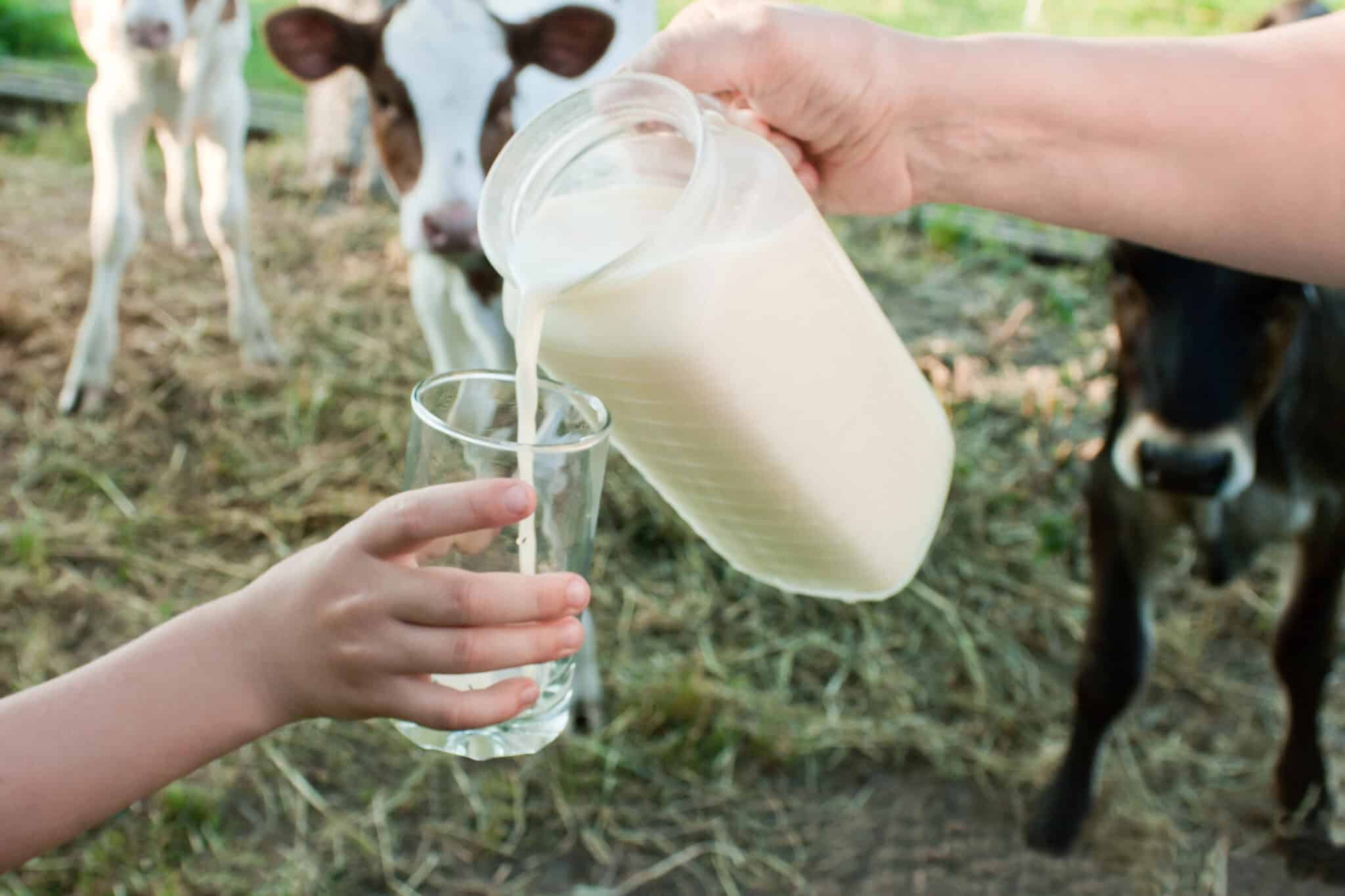

The Dangers of Drinking Unpasteurized Milk: Salmonella, Listeria, E. coli, Brucella, Campylobacter
Milk is among the most widely consumed food products globally, valued for its nutritional content, including protein, calcium, and vitamins. However, not all milk is created equal in terms of safety. Unpasteurized milk, also called raw milk, is milk that has not undergone heat treatment to kill harmful pathogens. While pasteurization is standard practice in most commercial dairy production, raw milk remains legally available in some regions and continues to attract a dedicated, if minority, consumer base.
Public health agencies such as the U.S. Food and Drug Administration (FDA) and the Centers for Disease Control and Prevention (CDC) strongly caution against the consumption of raw milk due to its documented association with foodborne illness outbreaks. These organizations cite numerous pathogens that can be present in raw milk, including Salmonella, Escherichia coli, Listeria monocytogenes, Campylobacter, and Brucella, among others. For decades, scientific evidence has shown that pasteurization, heating milk to a specific temperature for a set time, dramatically reduces the risk of milk-borne disease without significantly compromising its nutritional value.
Despite this evidence, raw milk consumption persists, fueled by misconceptions about its health benefits, cultural preferences, or skepticism toward industrial food systems.
Biological and Microbiological Hazards in Raw Milk
Pathogens Commonly Found in Raw Milk
Raw milk can contain a broad range of microorganisms, some harmless, others pathogenic. Because raw milk comes directly from the animal and is not heat-treated, bacteria present in the animal’s udder, on its skin, or introduced through fecal contamination can remain viable. Key pathogens identified in raw milk include:
- Salmonella — causes salmonellosis, characterized by diarrhea, fever, and abdominal cramps.
- Escherichia coli (especially Shiga toxin-producing strains) — linked to severe diarrheal disease and hemolytic uremic syndrome (HUS), a serious complication affecting kidneys.
- Listeria monocytogenes — capable of causing listeriosis, a severe illness with high mortality in vulnerable populations.
- Campylobacter — a leading cause of bacterial gastroenteritis.
- Brucella — causes brucellosis, a systemic infection that can become chronic.
These organisms are not killed in raw milk and can multiply, particularly if milk is not properly refrigerated.
Mechanisms of Contamination
Raw milk contamination occurs through multiple routes:
- During milking, pathogens from the cow’s udder or skin can enter the milk.
- Environmental contamination, feces, water, soil, or equipment, can introduce bacteria.
- Poor handling and storage conditions that allow bacterial growth.
Even with stringent hygiene on farms, it is impossible to guarantee that raw milk is free of pathogens, because healthy animals may carry harmful microbes that shed intermittently or at low levels.
Public Health Evidence on Disease Risks From Raw Milk
Documented Outbreaks and Illnesses
Surveillance data from the CDC and FDA demonstrate that raw milk consumption is a significant source of milk-borne disease outbreaks. Between 1998 and 2018, there were 202 outbreaks linked to raw milk and raw milk products in the U.S., resulting in 2,645 illnesses and 228 hospitalizations. These figures likely underestimate the true burden, since many foodborne illnesses go unreported.
A 2017 analysis, cited by the NIH, found that unpasteurized dairy products cause 840 times more illnesses and 45 times more hospitalizations than pasteurized dairy products. Outbreaks traced to raw milk have included Salmonella and E. coli, sometimes involving children and leading to severe complications such as HUS.
In Florida, raw milk tied to a farm was linked to infections of Campylobacter and E. coli, affecting 21 people including children, and resulting in hospitalizations. A newborn mortality case in New Mexico was linked by health officials to maternal consumption of raw milk contaminated with Listeria during pregnancy.
Severity of Illness and Complications
The pathogens in raw milk can cause symptoms ranging from mild gastrointestinal discomfort to severe systemic disease. Listeria, for example, can lead to meningitis, septicemia, and fetal loss in pregnant women. E. coli infections can progress to Hemolytic Uremic Syndrome (HUS), which can cause kidney failure and long-term disability. Campylobacter infections are associated with Guillain-Barré syndrome, a rare but serious paralytic condition.
The risks are particularly acute given that symptoms may not appear immediately, some infections can incubate for days, delaying diagnosis and treatment.
Misconceptions About Health Benefits of Raw Milk
Despite substantial evidence of risk, proponents of raw milk often promote unproven health benefits.
Misbeliefs About Nutritional Superiority
One widespread misconception is that raw milk is more nutritious than pasteurized milk. However, research does not support meaningful nutritional differences between raw and pasteurized milk. Nutrient content, proteins, fats, vitamins, remains largely unchanged by pasteurization.
The FDA states that pasteurization does not reduce the nutritional value of milk and that both raw and pasteurized milk contain the same lactose and proteins. Therefore, claims that raw milk has unique nutritional advantages lack scientific evidence.
False Claims About Allergy and Digestive Benefits
Another common belief is that raw milk can prevent allergies or improve lactose intolerance. There is no reliable scientific evidence to substantiate these claims. According to the FDA, raw milk does not cure lactose intolerance, as lactose content is the same regardless of pasteurization status. Similarly, alleged probiotic benefits of raw milk are not supported; most bacteria present are not proven beneficial and many are pathogenic.
Misinterpretations of “Natural” or Traditional Practices
Some consumers view raw milk as a “natural” food or a safer alternative to industrially processed products. This appeal to tradition or naturalness is a logical fallacy: natural occurrences of pathogens do not equate to safety. Pathogens like Listeria and Salmonella are natural inhabitants of animal environments but are not benign.
Public health agencies argue that embracing raw milk because it is “natural” ignores the real biological risks. Pasteurization, first developed in the 1860s, dramatically reduced milk-borne illnesses such as brucellosis and tuberculosis in the early 20th century, saving countless lives.
Drivers of Raw Milk Consumption Despite Risks
Cultural and Local Food Movements
Raw milk consumption is sometimes associated with local food movements and desire for minimally processed foods. Small-scale farmers may sell raw milk as part of direct-to-consumer agriculture, framing it as wholesome or farm-fresh. These narratives can appeal particularly to consumers disillusioned with conventional food systems.
Personal Testimonials and Anecdotes
Compelling individual anecdotes about perceived benefits, such as improved skin, digestion, or even immune health, circulate widely on social media. These subjective accounts are influential, even in the absence of scientific evidence. For example, some lifestyle influencers have publicized personal experiences of skin improvements attributed to raw milk, despite no causal evidence.
Perception of Risk vs. Reward
Survey data suggest that only a modest portion of the public fully recognizes the risks associated with raw milk. A University of Pennsylvania survey found that only 56 % of U.S. adults understood that raw milk is riskier than pasteurized milk, with many unaware of specific pathogen threats such as bird flu detected in raw milk.
This gap between scientific understanding and public perception contributes to ongoing consumption. Many consumers underestimate the likelihood or severity of illness, weighting anecdotal “benefits” more heavily than documented risks.
Dangers to Vulnerable Populations
Certain demographics face disproportionately high risks from drinking raw milk, because of either immunological vulnerability or biological susceptibility.
1. Children and Adolescents
Children’s immune systems are still developing, and they are more likely to suffer severe outcomes from infections such as E. coli and Campylobacter. Many documented raw milk outbreaks disproportionately affect children, leading to hospitalizations and long-term complications.
2. Pregnant People and Newborns
Pregnant individuals are at elevated risk from Listeria, which can cross the placental barrier and cause miscarriage, stillbirth, preterm delivery, or fatal infections in newborns. A newborn death linked to maternal raw milk consumption highlights this severe vulnerability.
3. Older Adults and Immunocompromised Individuals
Older adults and individuals with weakened immune systems (e.g., transplant recipients, HIV/AIDS patients, those undergoing chemotherapy) are less able to mount effective immune responses to pathogenic bacteria. CDC guidance emphasizes that these groups should avoid raw milk because of high risk of serious infection.
Regulatory and Safety Perspectives
Pasteurization as a Public Health Measure
Pasteurization has long been recognized as an effective intervention to reduce milk-borne diseases. By heating milk to a specific temperature for a given time, pasteurization kills harmful organisms without significantly changing nutritional content. Public health agencies endorse pasteurization as essential for safe milk consumption.
Legal Status and Restrictions on Raw Milk Sales
In the United States, the interstate sale of raw milk for human consumption is prohibited at the federal level. Some states allow raw milk sales within state boundaries under varying regulatory frameworks, including labeling and testing requirements. Despite these restrictions, raw milk finds its way to consumers, sometimes being sold as pet food to circumvent laws, a loophole that poses risks when humans consume products not intended for them. Regulation remains a contentious policy area balancing consumer choice and public health protection.
Analysis & Next Steps
What’s New
Recent events demonstrate that raw milk continues to be a source of infectious disease outbreaks in the United States and beyond, despite longstanding evidence of risk. Cases such as the Florida outbreak involving E. coli and Campylobacter illustrate that raw milk contamination remains an active public health problem. Survey data highlight persistent public misunderstanding of risks associated with raw milk consumption.
Why It Matters
Unpasteurized milk can harbor serious pathogens that cause disease ranging from mild gastrointestinal symptoms to life-threatening conditions such as HUS and listeriosis. Vulnerable populations, including children, pregnant people, older adults, and immunocompromised individuals, face heightened risk of severe outcomes.
Who’s Affected
All consumers of raw milk face risk, but disproportionate harm falls on high-risk groups noted above. Even healthy adults may experience severe illness.
What To Do Now
- Public education campaigns should emphasize the scientific evidence on risks and the lack of proven benefits of raw milk.
- Healthcare providers should proactively counsel patients, especially those in high-risk groups, about the dangers of raw milk.
- Policymakers may consider closing regulatory loopholes that permit raw milk sales under ambiguous labeling (e.g., as pet food).
- Surveillance and outbreak investigation infrastructure should continue tracking raw milk–related illnesses to inform prevention strategies.
Final Note
Unpasteurized milk presents a well-documented risk of foodborne illness due to its potential to contain harmful pathogens. Scientific evidence does not support the purported health benefits claimed by raw milk advocates, and pasteurization remains the most effective tool for protecting public health without compromising nutritional value. Given the known dangers, particularly for vulnerable populations, raw milk consumption represents an unnecessary and preventable hazard. Public health efforts should prioritize education, regulation, and surveillance to reduce consumption of raw milk and prevent associated disease.
