


The Dangers of Open Cuts or Wounds in Contaminated Bodies of Water
Open cuts or wounds exposed to contaminated bodies of water pose serious health risks, as they can become entry points for bacteria, viruses, and parasites. Whether swimming in lakes, rivers, oceans, or even pools with improper sanitation, contact with waterborne pathogens can lead to infections, some of which may have severe or even life-threatening consequences. Understanding the dangers and how to protect yourself is crucial when entering potentially contaminated water with any open skin wounds.
Common Waterborne Pathogens and Their Effects
Contaminated water can harbor various microorganisms that pose risks to human health. Some of the most dangerous pathogens associated with open wounds include:
- Vibrio: This bacterium thrives in warm, brackish, or saltwater environments, making it a particular concern in coastal areas. Vibrio can enter the body through cuts or open wounds, leading to a serious condition called vibriosis. In severe cases, the infection can result in necrotizing fasciitis, also known as “flesh-eating bacteria,” which causes rapid tissue destruction. People with weakened immune systems or underlying health conditions like liver disease are at greater risk of developing severe complications.
- Staphylococcus aureus (Staph): Staphylococcus bacteria, including methicillin-resistant Staphylococcus aureus (MRSA), are commonly found in both freshwater and saltwater. When they enter the body through an open wound, they can cause painful skin infections, abscesses, or boils. MRSA, in particular, is resistant to many antibiotics, making it difficult to treat and potentially leading to life-threatening complications if it spreads to the bloodstream.
- Pseudomonas aeruginosa: This bacterium is commonly found in contaminated water and can cause infections in open wounds, particularly in environments like poorly maintained swimming pools or hot tubs. Pseudomonas infections may result in symptoms such as swelling, redness, pus discharge, and fever, and can escalate into more serious infections if left untreated.
- Aeromonas: Found in freshwater environments, Aeromonas bacteria can infect wounds exposed to contaminated water. The bacteria can cause cellulitis, a painful skin infection that may spread rapidly, leading to severe complications, particularly in individuals with compromised immune systems.
- Leptospira: The bacteria responsible for leptospirosis are found in water contaminated by the urine of infected animals, particularly in tropical regions. When these bacteria enter the body through cuts or abrasions, they can cause flu-like symptoms such as fever, chills, and muscle aches. If untreated, leptospirosis can lead to kidney or liver damage, respiratory failure, or even death in severe cases.
- Naegleria fowleri: Also known as the “brain-eating amoeba,” Naegleria fowleri thrives in warm freshwater environments, such as hot springs or lakes. Although rare, when water containing the amoeba enters the body through an open wound or nose, it can lead to a deadly brain infection known as primary amoebic meningoencephalitis (PAM). This infection is often fatal, progressing rapidly and leaving little time for effective treatment.
Health Risks and Symptoms of Waterborne Infections
When an open wound comes into contact with contaminated water, the risk of infection increases significantly. Symptoms of a waterborne infection may vary depending on the type of pathogen but can include:
- Redness and swelling around the wound
- Increased pain or tenderness
- Pus or foul-smelling discharge
- Fever and chills
- Fatigue or weakness
- Skin discoloration or the appearance of blackened tissue (in severe cases, such as necrotizing fasciitis)
- Rapidly spreading infection beyond the site of the wound
In severe cases, the infection can spread through the bloodstream, leading to sepsis, a potentially life-threatening condition that requires immediate medical attention. People with weakened immune systems, such as those with diabetes, liver disease, or compromised skin integrity, are more vulnerable to developing severe infections.
Preventative Measures to Protect Open Wounds
Taking preventative steps to protect cuts or wounds from contaminated water exposure is essential to avoid infection. Here are several measures to reduce the risk:
- Avoid water exposure: The simplest way to protect an open wound is to avoid entering contaminated or potentially contaminated water altogether. If swimming or wading in natural bodies of water, ensure your wounds are fully healed before taking a dip.
- Cover the wound: If you must enter the water, cover the open cut or wound with a waterproof bandage. Ensure the bandage is securely in place and remains watertight throughout your time in the water.
- Clean and disinfect after exposure: If your wound is exposed to water, promptly clean it with soap and fresh water after leaving the water. Disinfect the wound with an antiseptic and apply a fresh bandage. This step is crucial in minimizing the risk of bacteria entering the wound.
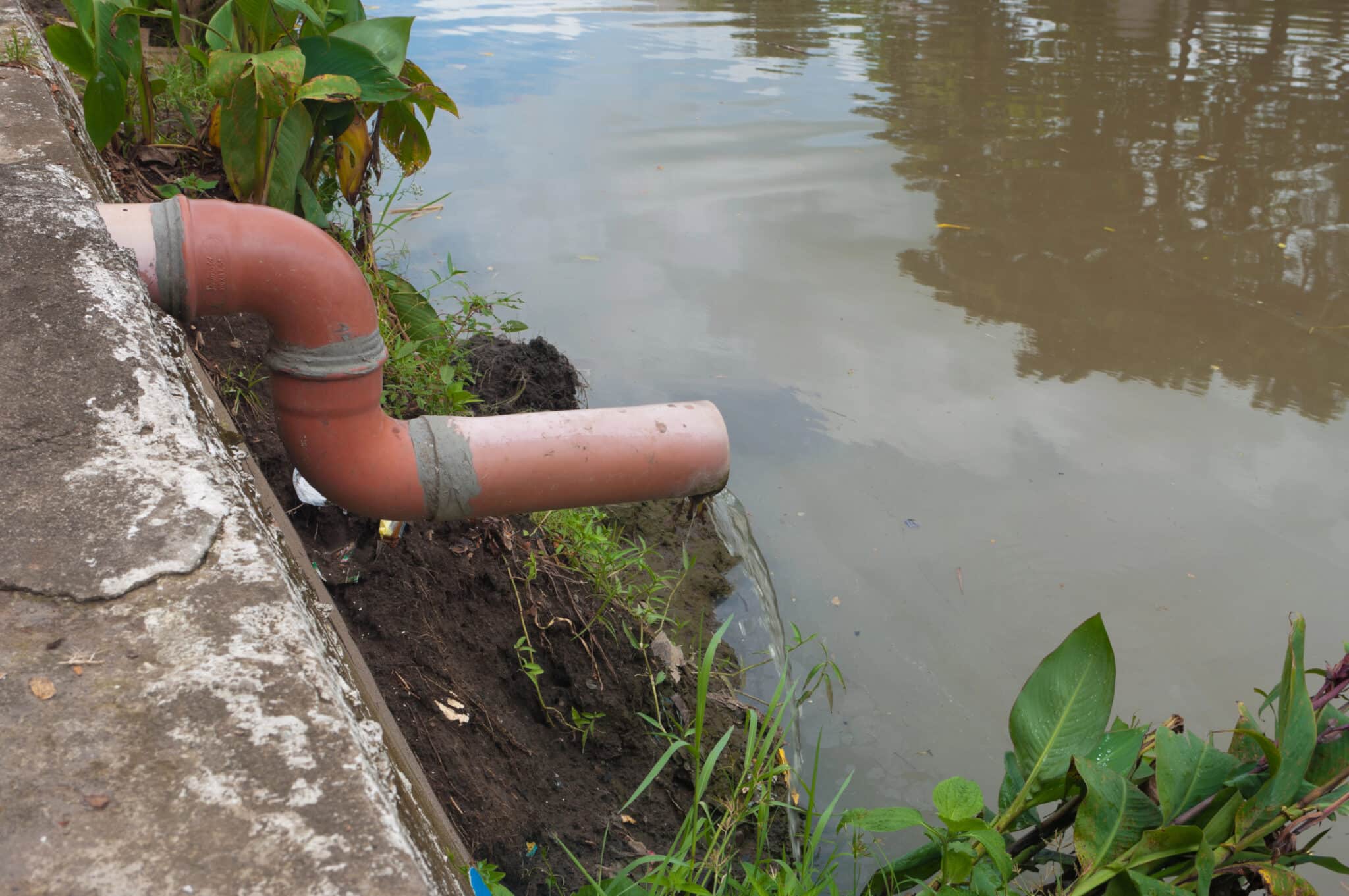
- Stay out of unsanitary water: Avoid swimming in water that looks dirty, smells foul, or is known to have high levels of pollution or contamination, such as untreated water sources or locations near sewage outlets.
- Beware of warm, stagnant water: Warm, slow-moving, or stagnant water, such as hot springs, ponds, or lakes, are more likely to harbor harmful bacteria and parasites. Extra caution should be taken when considering entering such waters with an open wound.
- Seek medical attention for signs of infection: If you notice any signs of infection, such as increased redness, swelling, pain, fever, or discharge from the wound, seek medical attention immediately. Early treatment with antibiotics or other medications may prevent the infection from worsening or spreading.
Conclusion
Open cuts or wounds exposed to contaminated water can lead to serious infections, some of which may be life-threatening if left untreated. Pathogens like Vibrio, Staphylococcus, and Pseudomonas are commonly found in natural water sources and can cause severe complications when they enter the body through broken skin.
According to one food poisoning attorney, “In order to reduce the risk of infection, it’s crucial to take preventive measures, such as avoiding contaminated water, properly covering wounds, and disinfecting cuts after exposure. By understanding the risks and taking the appropriate precautions, you can protect yourself from the dangers of waterborne infections.”
