

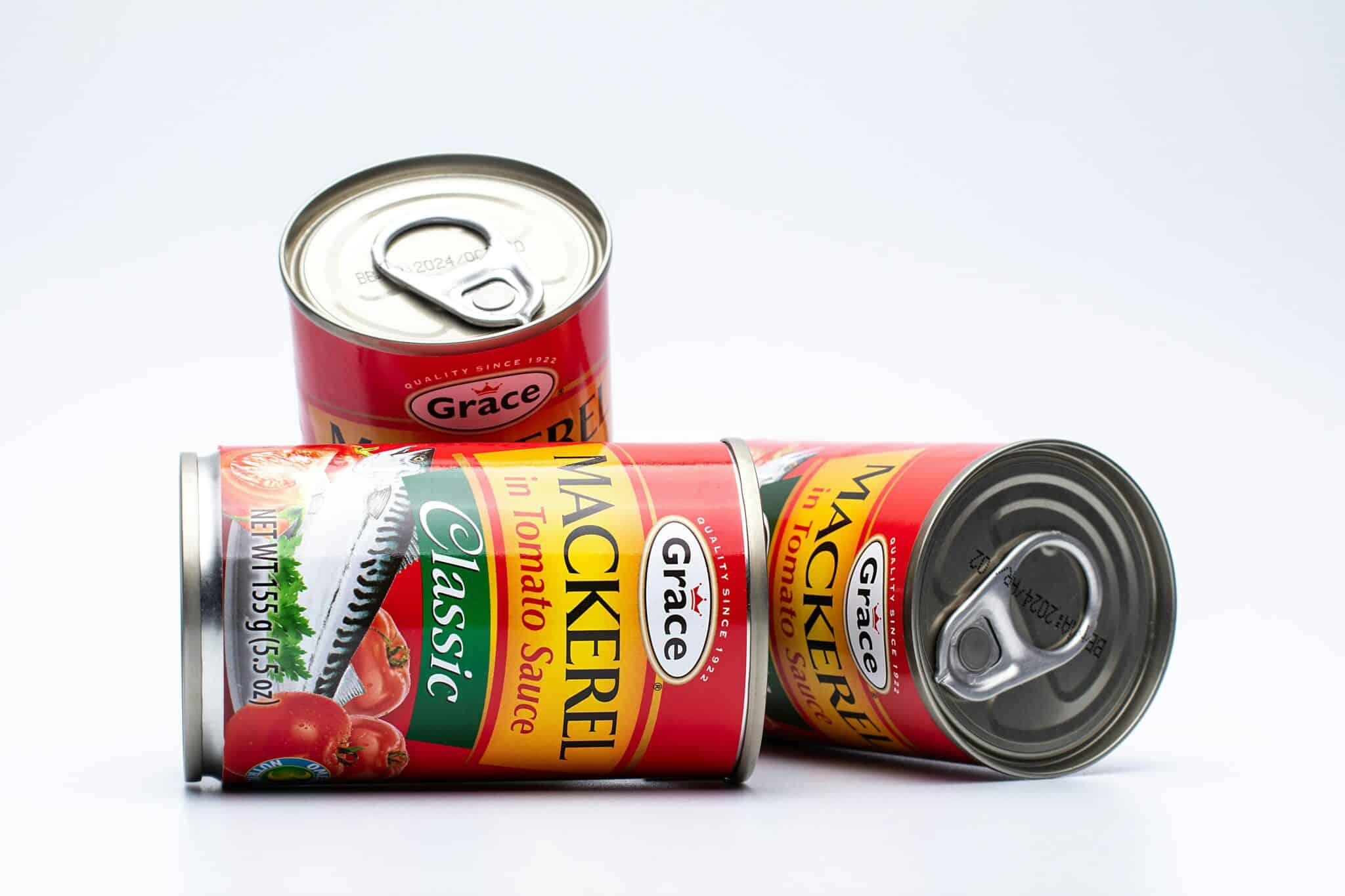

That half-used can of tomato paste or leftover beans sitting in the fridge might seem harmless, but storing food in opened cans can pose serious risks to your health, flavor, and food quality. While it’s common practice in many households, food safety experts consistently advise against it. Why? Because once a can is opened, everything from metal leaching to bacterial contamination becomes a concern.
Here’s a closer look at why you should never store food in opened cans, what can go wrong, and how to store leftovers the safe and smart way.
What Happens When a Can Is Opened?
Cans are lined with a special coating to protect the food from direct contact with the metal. But once you open a can and expose its contents to air, oxygen, moisture, and bacteria begin interacting with both the food and the metal. This can lead to:
- Oxidation of the metal, especially if it’s tin or aluminum-based
- Leaching of metal compounds into the food
- Changes in taste, color, and texture
- Accelerated spoilage
Even worse, in the right conditions, dangerous bacteria like Clostridium botulinum (which causes botulism) or Listeria monocytogenes can grow if food is left too long or isn’t refrigerated properly.
The Bacterial Risk
Once exposed to air, food in an opened can becomes vulnerable to contamination from the environment, especially in a fridge where temperature fluctuations and moisture from other foods can create ideal conditions for bacterial growth.
If the food was not removed from the can and sealed properly, the risk of cross-contamination increases significantly. Additionally:
- Metal edges of the can may harbor bacteria or rust
- Acidic foods, like tomatoes or citrus fruits, can degrade the can’s lining and increase leaching
- Lack of an airtight seal makes it easier for mold or microbes to enter
Chemical Leaching: Is It Really a Problem?
Yes. One major concern with leaving food in opened cans is chemical leaching, the migration of metal ions into food. This is especially true with:
- Acidic foods (like tomatoes, pineapple, or sauerkraut)
- Heated cans that were opened and then reheated or stored in warm areas
If the lining inside the can has been compromised, you may find metallic-tasting food or even signs of discoloration. In the long term, consistent consumption of foods contaminated with metal compounds (especially tin or BPA-lined cans) could pose risks to kidney and liver health, although it’s unlikely from a single exposure.
But What If I Refrigerate It?
Even in the refrigerator, food stored in an opened can is not ideal. Cold temperatures do slow bacterial growth, but they don’t eliminate the risks:
- Oxidation still happens in the fridge
- The metal taste can seep into the food more quickly
- Without a proper lid or cover, the food is more likely to absorb odors and flavors from other items
- Spills or leaks from a tipped can may contaminate other fridge contents
Safe Storage Alternatives
Fortunately, avoiding the dangers of storing food in opened cans is easy with a few simple changes to your routine.
Use Glass or Plastic Containers
- Transfer leftover canned food to airtight containers as soon as possible.
- Glass is ideal because it doesn’t react with acidic foods and doesn’t hold onto odors or stains.
- BPA-free plastic containers are also a safe and convenient option.
Label and Date Everything
- Add a date label when transferring leftovers so you know how long they’ve been sitting.
- Most leftovers from cans should be used within 3–4 days.
Store Smart
- Keep containers on the top shelves of your fridge to avoid spills and leaks.
- Don’t stack containers too tightly. Air circulation helps keep food colder and fresher.
Don’t Rely on the Lid Trick
Some people place foil or plastic wrap over the opened can and call it a day. Others pop the lid back on loosely. Unfortunately, these makeshift covers don’t provide a true airtight seal, and won’t prevent metal leaching or spoilage. Always use a sealed, food-safe container for leftovers.
Bonus Tip: Reuse With Purpose, Not for Storage
While cans shouldn’t be reused to store food, clean, empty cans can be repurposed creatively for things like:
- Pen holders
- Planters
- Craft projects
Just make sure they’re thoroughly cleaned and the edges are smoothed to avoid injury.
Final Note
It’s easy to assume that if the fridge is cold, all food is safe, but opened cans are an exception to the rule. From metal leaching to bacterial contamination, the risks of storing food in opened cans are real and avoidable.
So next time you crack open a can of beans, veggies, or tomatoes, don’t toss it in the fridge uncovered. Grab a clean, airtight container, seal it up, and store it properly. You’ll not only protect your health but also preserve the flavor, texture, and quality of your food.
Your leftovers, and your body, will thank you.
