

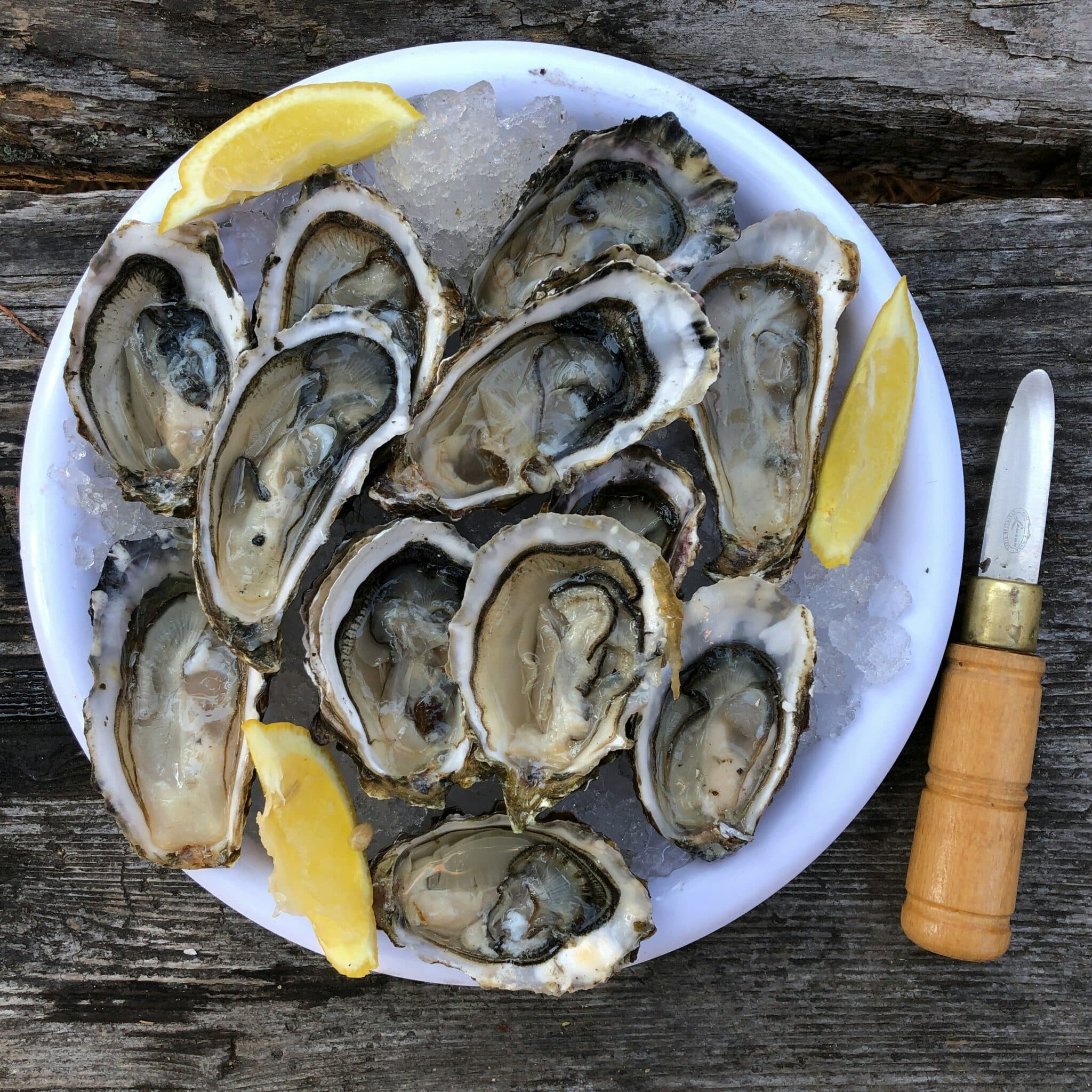

Oysters are often viewed as a delicacy—fresh, briny, and synonymous with coastal dining. However, consuming raw or undercooked oysters carries significant health risks that many people underestimate. While oysters themselves are not inherently dangerous, the environments in which they grow make them particularly vulnerable to contamination.
One of the most serious risks associated with raw oysters is Vibrio bacteria, especially Vibrio vulnificus and Vibrio parahaemolyticus. These bacteria naturally live in warm coastal waters and can accumulate in oysters as they filter seawater. In healthy individuals, infection may cause diarrhea, vomiting, abdominal pain, and fever. For others, particularly those with weakened immune systems, liver disease, diabetes, or iron overload disorders, Vibrio vulnificus can lead to bloodstream infections, severe illness, and even death.
Oysters can also transmit norovirus, a highly contagious virus responsible for outbreaks of gastrointestinal illness. Unlike bacteria, norovirus is often introduced through sewage-contaminated water and can spread rapidly among people who consume contaminated shellfish. Symptoms typically include nausea, vomiting, diarrhea, and stomach cramps, and while most recover within a few days, the illness can be especially dangerous for young children and older adults.
Another concern is that oysters are frequently eaten raw, eliminating the protective step of cooking. Proper cooking—such as boiling, frying, or baking—can kill harmful pathogens, but raw oysters offer no such safeguard. Even oysters that look, smell, and taste normal can harbor dangerous microorganisms.
Public health officials consistently advise high-risk individuals to avoid raw oysters entirely. Choosing cooked oysters and practicing caution when dining out can significantly reduce the risk of severe foodborne illness. While oysters may be a culinary tradition, understanding their risks is essential to making safer food choices.
