

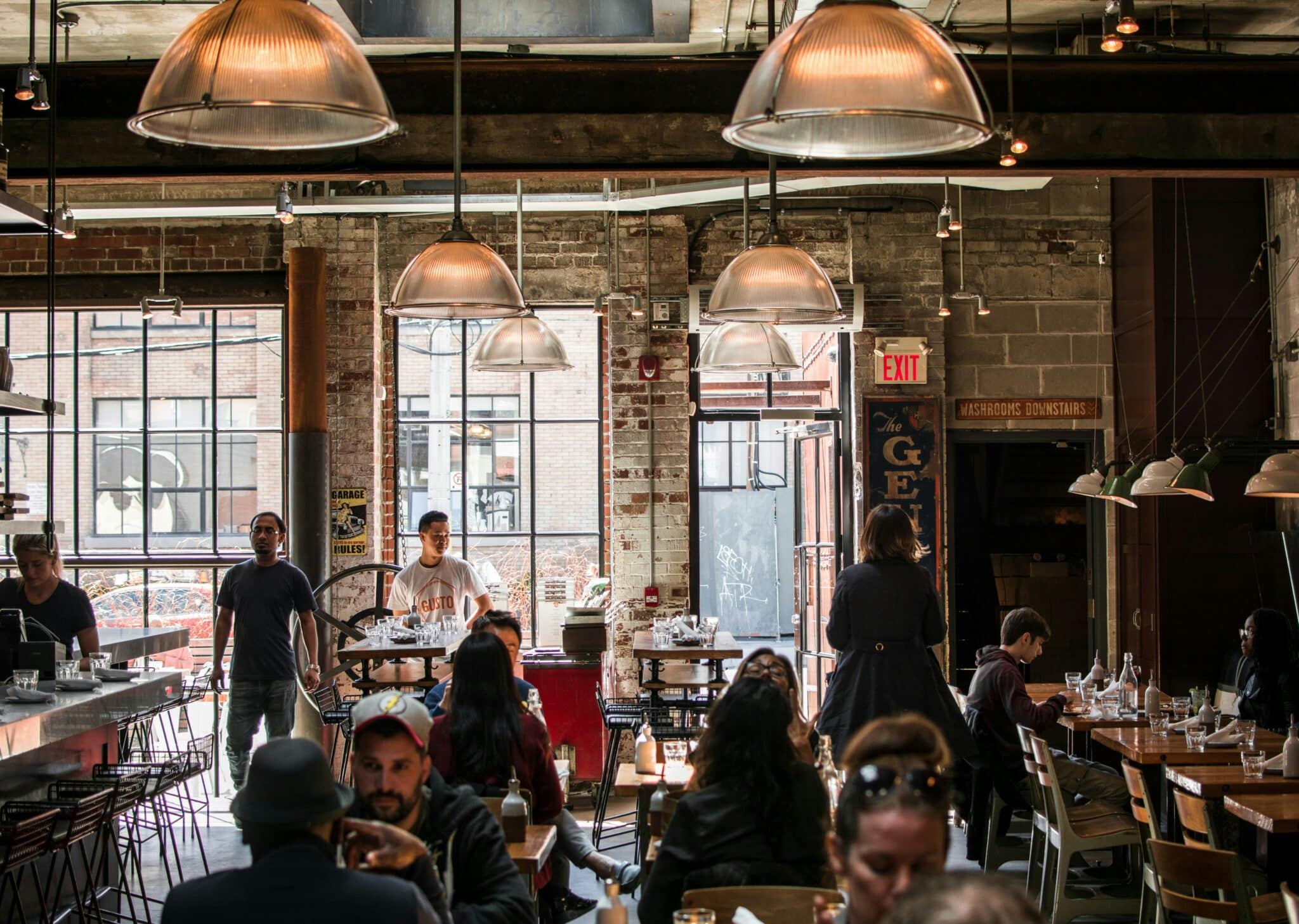

When we dine out, we often trust that the food served is not only delicious but also safe to eat. While most restaurants strive to meet food safety standards, there are still critical areas that can be overlooked, even in highly rated establishments. These hidden gaps in food safety practices can lead to foodborne illnesses, customer complaints, and even lawsuits.
1. Inadequate Handwashing
Handwashing is the single most important step in preventing the spread of foodborne pathogens, yet it remains one of the most neglected. According to the Centers for Disease Control and Prevention (CDC), improper handwashing is responsible for nearly 89% of foodborne illness outbreaks in restaurants. Employees may rush through the process, skip soap, or fail to wash after touching money, raw food, or their faces.
Restaurants should have clearly posted handwashing protocols, with regular training and spot checks to ensure compliance. Additionally, bathrooms and kitchens should be stocked with soap, hot water, and disposable towels or air dryers at all times.
2. Improper Temperature Control
Keeping food at safe temperatures is a foundational aspect of food safety. Hot foods must stay above 140°F (60°C), and cold foods below 40°F (4°C). However, this rule is often overlooked during peak hours when kitchens are busy or understaffed.
Food left in the temperature “danger zone” (between 40°F and 140°F) for more than two hours can allow bacteria like Salmonella, E. coli, and Clostridium perfringens to thrive. Buffets, salad bars, and improperly cooled leftovers are especially prone to temperature abuse.
Regular checks with food thermometers, calibrated equipment, and clear holding guidelines are necessary to minimize this risk.
3. Cross-Contamination Between Raw and Cooked Foods
Cross-contamination is a leading cause of foodborne illness and happens when bacteria from raw food—especially meat, poultry, or seafood—spreads to ready-to-eat items. This can occur through shared cutting boards, utensils, or even hands.
Even though most restaurants know the importance of separating raw and cooked items, lapses still happen, particularly in high-pressure situations. For example, a cook may use the same gloves to handle raw chicken and then prepare a salad without changing them.
Solutions include color-coded utensils and cutting boards, separate prep stations for different food types, and mandatory glove changes between tasks.
4. Failure to Sanitize Surfaces and Equipment Properly
While most kitchens clean surfaces frequently, the sanitation process can be rushed or superficial. Sponges, cloths, and cutting boards can harbor dangerous microbes if not properly cleaned. Moreover, equipment like slicers, blenders, and mixers may not be fully disassembled or sanitized between uses.
Restaurants should follow a strict cleaning and sanitizing schedule that complies with local health codes. Surfaces must be cleaned with soap and water, followed by a food-safe sanitizer. Frequent training can reinforce the importance of thorough and routine cleaning practices.
5. Poor Personal Hygiene Among Staff
Restaurant workers may unintentionally spread germs if they are sick, have open wounds, or practice poor hygiene. For example, a server who sneezes into their hand and then delivers plates to a table can pass along harmful bacteria or viruses.
Health departments require food handlers to report symptoms such as vomiting, diarrhea, or jaundice. However, some employees, afraid of losing wages, may work while ill. It is crucial that restaurants adopt sick leave policies that prioritize health and safety over attendance.
6. Inconsistent Food Storage Practices
Proper food storage prevents spoilage and contamination. Yet, errors like storing raw meat above ready-to-eat foods, leaving ingredients uncovered, or failing to label and date food items are frequent in restaurant kitchens.
Storage areas should be clean, well-ventilated, and organized. Ingredients must be stored in appropriate containers and in the correct sequence—raw meats always on the bottom shelf. Regular walk-in checks and inventory rotation help ensure that storage protocols are followed consistently.
7. Neglecting Allergen Control
With food allergies on the rise, restaurants must manage allergens carefully. Cross-contact with allergens like peanuts, shellfish, or gluten can have severe consequences for allergic diners. Yet, allergen protocols are often overlooked or misunderstood by staff.
Restaurants need a clear system to handle allergen requests, including dedicated utensils, pans, and prep areas. Front-of-house staff should be trained to communicate effectively with customers and back-of-house staff to ensure allergen safety.
Final Notes
Food safety in restaurants involves much more than wearing gloves or cooking food thoroughly. It’s about consistency, training, vigilance, and creating a culture where safety is prioritized even during the busiest shifts. By identifying and addressing these overlooked practices, restaurants can significantly reduce the risk of foodborne illness, improve customer trust, and meet regulatory standards. In an industry built on service and trust, nothing is more important than protecting the health of those you serve.
