

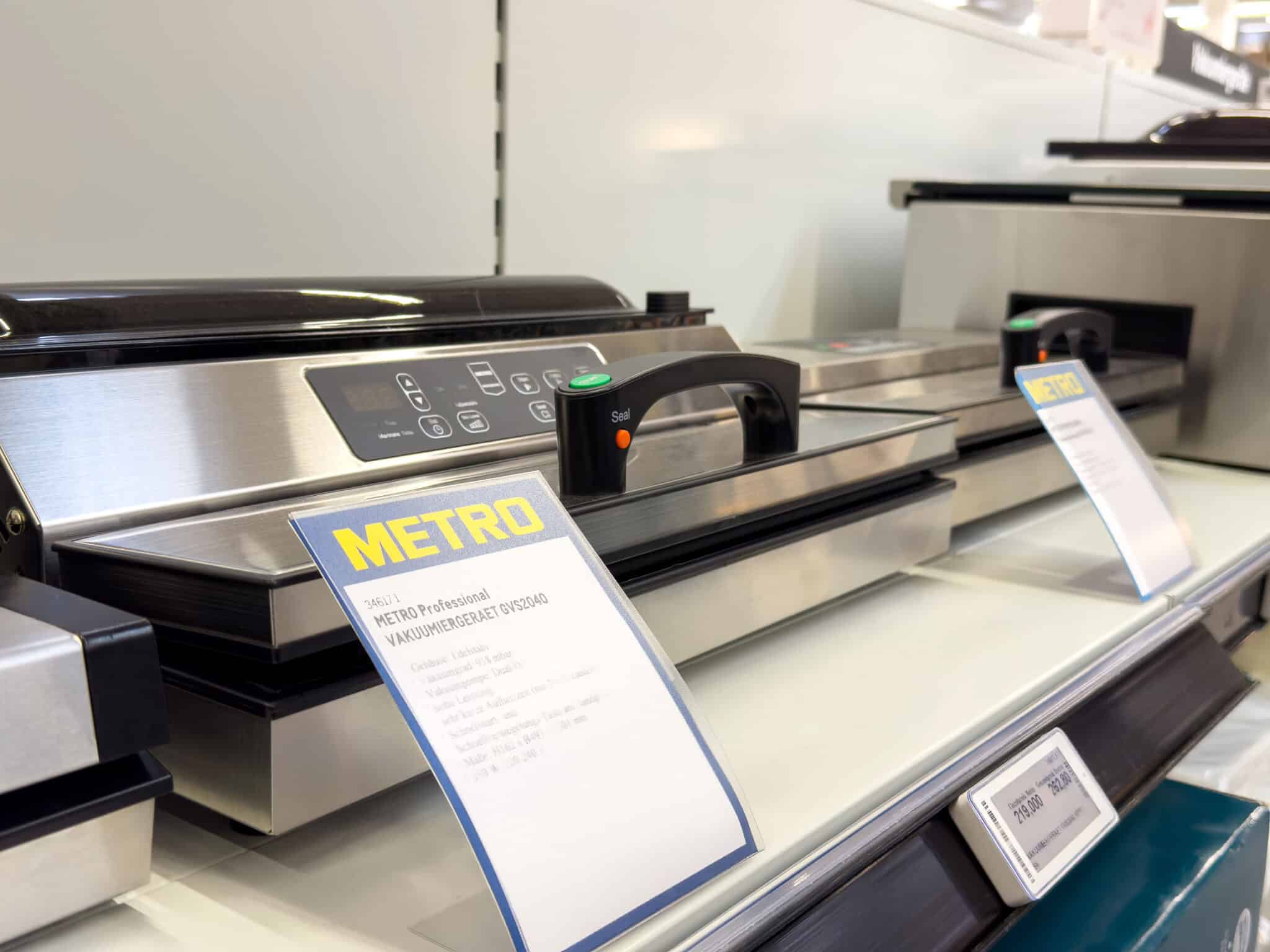

The Overlooked Dangers of Home Vacuum Sealers for Leftovers
Vacuum sealing has become a popular method for preserving food at home. Many people use countertop sealers to extend the life of leftovers, reduce food waste, and store bulk purchases. The process seems simple: remove air, seal tightly, and refrigerate or freeze. While this method can reduce exposure to oxygen and slow down spoilage, it is not a guarantee of food safety. Vacuum sealing leftovers carries risks that are often overlooked, particularly when it comes to bacterial growth and improper storage.
Why Vacuum Sealing Appeals to Home Cooks
One reason vacuum sealing is so popular is that it keeps food looking fresher for longer. By reducing exposure to oxygen, vacuum sealing helps preserve flavor, texture, and appearance. Many families see it as a money-saving strategy, especially when cooking in large batches or buying food in bulk. The sealed packages are also convenient for stacking in freezers or refrigerators, making organization easier. However, safety is not always aligned with convenience.
Oxygen Removal Does Not Eliminate Pathogens
Vacuum sealing does reduce oxygen levels, but it does not kill bacteria already present in food. Certain pathogens, such as Clostridium botulinum, actually thrive in oxygen-free environments. This bacterium produces a dangerous toxin that can cause botulism, a potentially fatal illness. While rare, botulism cases linked to vacuum-sealed foods demonstrate how removing air is not the same as removing risk. Pathogens that survive cooking or handling can continue to pose a threat once food is sealed.
The Danger of Temperature Abuse
One of the most common issues with home vacuum sealing is improper temperature control. Leftovers should be cooled quickly before sealing, yet many people seal hot or warm food directly. This traps heat and moisture inside the package, creating conditions where bacteria multiply rapidly. Even refrigeration may not slow this growth enough if food enters the refrigerator still warm. Freezing is safer, but if the food is not handled properly before freezing, bacteria may still survive and resume growth once thawed.
False Sense of Security
Vacuum sealing often creates a false sense of security. People assume that a tightly sealed bag means food is safe to eat longer than it really is. The absence of visible spoilage signs, such as mold or unpleasant odor, does not guarantee safety. Some dangerous pathogens, including Listeria monocytogenes and Salmonella, do not always produce obvious changes in food appearance or smell. A leftover meal sealed neatly in plastic may look harmless while harboring harmful bacteria.
Shelf Life Extension Is Limited
Although vacuum sealing extends shelf life compared to traditional storage, it does not make food last indefinitely. Refrigerated leftovers should generally be eaten within three to four days, even if vacuum sealed. Freezing does extend shelf life more significantly, but once thawed, the same time limits apply. Many households make the mistake of keeping vacuum-sealed leftovers in the refrigerator for weeks, unaware that harmful bacteria may already be present.
Cross-Contamination Risks
Another overlooked danger is cross-contamination during the sealing process. Countertop sealers often involve contact between the food, plastic bag, and machine surface. If raw meat juices, for example, touch the sealer or another bag, bacteria can easily spread. Without careful cleaning, a sealer itself can become a source of contamination. Handling sealed bags without washing hands immediately afterward can also transfer pathogens to other surfaces in the kitchen.
Best Practices for Safer Vacuum Sealing
To reduce risks, food must be handled carefully before and after sealing. Leftovers should be cooled within two hours of cooking, divided into small portions, and chilled before sealing. Only clean, dry hands and sanitized equipment should touch food and packaging materials. Vacuum-sealed food stored in the refrigerator should be consumed within a few days, and labels with dates can help prevent overconfidence in storage times. When reheating sealed leftovers, ensuring they reach a safe internal temperature is essential.
When Freezing Is Safer
Freezing is one of the best ways to make vacuum sealing safer. Freezing halts bacterial growth, although it does not kill all bacteria. Food should be frozen immediately after sealing rather than stored in the refrigerator for several days before freezing. Thawing should always take place in the refrigerator, never at room temperature, to prevent food from re-entering the danger zone of bacterial growth.
Consumer Education Is Essential
The growing popularity of home vacuum sealers makes consumer education more important than ever. Manufacturers often market these devices as tools to prevent food waste and save money, but food safety information is not always emphasized. Clear labeling, storage guidelines, and warnings about pathogens could help households use vacuum sealing more responsibly. Home cooks who understand the limits of this technology are better equipped to balance convenience with safety.
Final Note
Vacuum sealing leftovers offers convenience and longer storage times, but it is not a foolproof method for food safety. Removing oxygen slows some types of spoilage but creates risks for others, especially when food is handled improperly. Cooling, freezing, and reheating practices play critical roles in reducing bacterial threats. Awareness of the limits and responsibilities of home vacuum sealing helps protect families from preventable foodborne illnesses. Safe practices are the key to making this tool effective without introducing unnecessary risk.
