

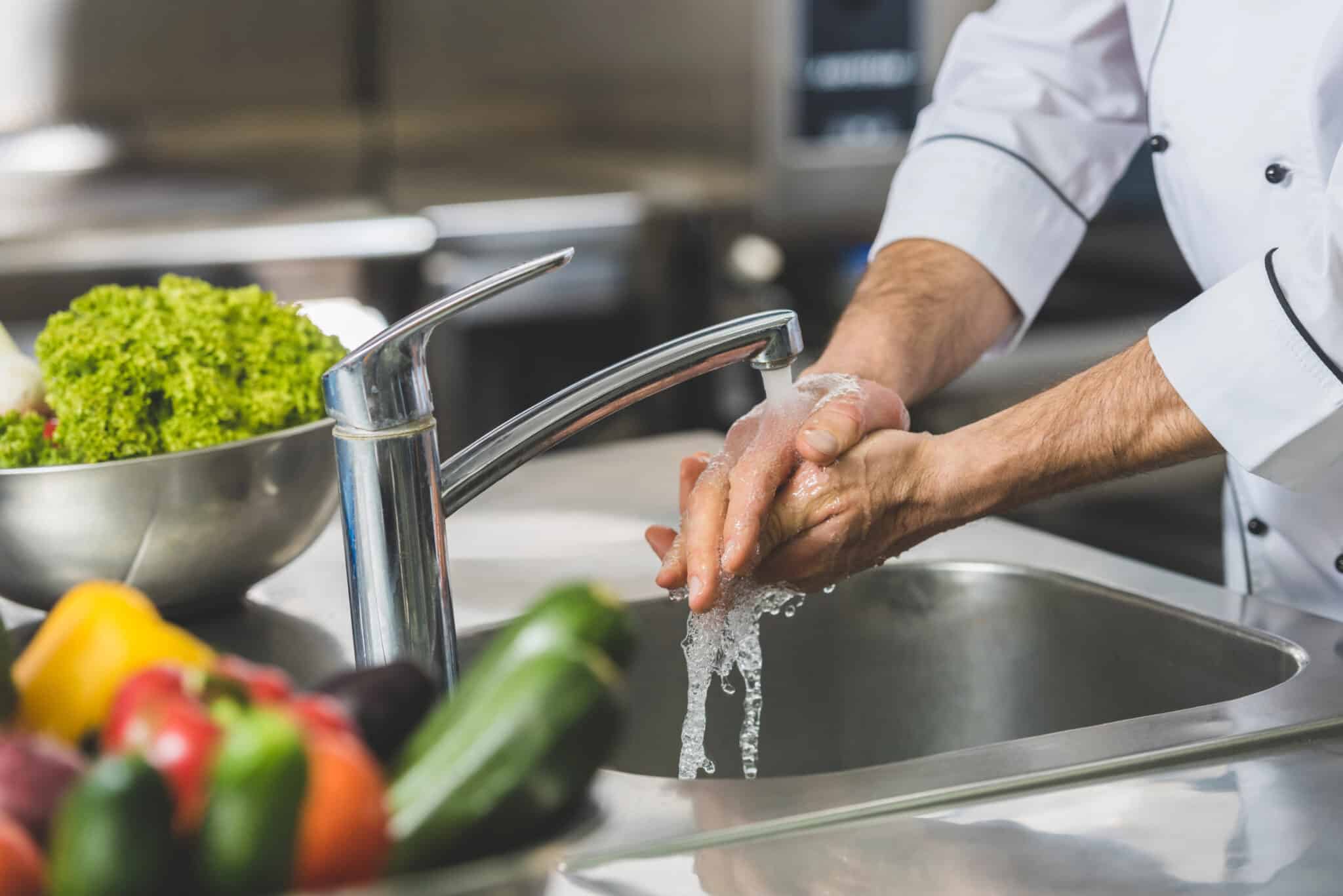

The Role of Hand Hygiene in Preventing Foodborne Illness
Foodborne illnesses are a significant global public health concern, affecting millions each year and leading to severe health consequences, especially among children, the elderly, and immunocompromised individuals. One of the simplest yet most effective ways to prevent the spread of these illnesses is through proper hand hygiene. Despite being a basic practice, hand hygiene remains underutilized in both domestic and commercial food settings. The failure to wash hands thoroughly before handling food contributes to a substantial portion of foodborne disease outbreaks. Understanding the science, benefits, and best practices of hand hygiene is crucial in breaking the chain of infection.
Understanding the Threat
The Centers for Disease Control and Prevention (CDC) estimates that 48 million people in the United States get sick from foodborne illnesses each year, resulting in approximately 128,000 hospitalizations and 3,000 deaths. Pathogens such as norovirus, Salmonella, E. coli, and Campylobacter are among the most common causes. Many of these organisms are transmitted through the fecal-oral route, which often results from contaminated hands touching food.
Contaminated hands can carry a variety of harmful microorganisms. For example, a single gram of human feces can contain up to one trillion microbes, including dangerous pathogens like norovirus and hepatitis A. If proper hand hygiene is not practiced after using the bathroom, changing diapers, or handling raw meat, these pathogens can be transferred to surfaces, kitchen utensils, and food, leading to widespread contamination.
The Science Behind Hand Hygiene
Washing hands with soap and water works by physically removing dirt, organic material, and microbes from the skin. Soap molecules bind to grease and bacteria, which are then rinsed away with water. Studies have shown that handwashing with soap can reduce the presence of bacteria on hands by up to 90%.
The CDC recommends washing hands with soap and water for at least 20 seconds, especially:
- Before, during, and after preparing food
- Before eating food
- After using the toilet
- After handling raw meat, poultry, or seafood
- After touching garbage
- After blowing your nose, coughing, or sneezing
When soap and water are not available, an alcohol-based hand sanitizer containing at least 60% alcohol can be used, although it is not effective against all types of pathogens, such as norovirus.
Food Industry Standards
In commercial food service settings, the stakes are even higher. Food workers are required to follow strict hygiene protocols to prevent contamination. According to the U.S. Food and Drug Administration (FDA) Food Code, employees must wash their hands thoroughly and frequently, especially after activities like handling money, touching their face, or using the restroom.
Hand Hygiene at Home
Home kitchens are another critical area where hand hygiene can make a major impact. Many people assume that food poisoning primarily happens in restaurants, but studies have shown that a large proportion of outbreaks actually occur in private households. Cross-contamination—such as touching vegetables after handling raw chicken without washing hands—is a common cause.
Parents and caregivers must model proper handwashing techniques to children, teaching them from an early age about its importance. Educational campaigns and visual reminders near sinks can encourage consistent hygiene practices in homes.
Global Implications
In low- and middle-income countries, hand hygiene is not just about preventing foodborne illness—it is also about ensuring basic public health. The World Health Organization (WHO) identifies hand hygiene as a critical component in reducing diarrheal diseases, which are a leading cause of death among children under five. Access to clean water and soap remains limited in many regions, compounding the risk of disease transmission through food and poor sanitation.
Final Note
Proper hand hygiene is a simple yet powerful tool in the fight against foodborne illness. From restaurant kitchens to home pantries, the act of washing hands can dramatically reduce the spread of harmful pathogens. Public health organizations, food industry leaders, and individual consumers all share responsibility in promoting and practicing good hygiene. As the old saying goes, “An ounce of prevention is worth a pound of cure”—and when it comes to foodborne illnesses, clean hands may be the most effective ounce we have.
