

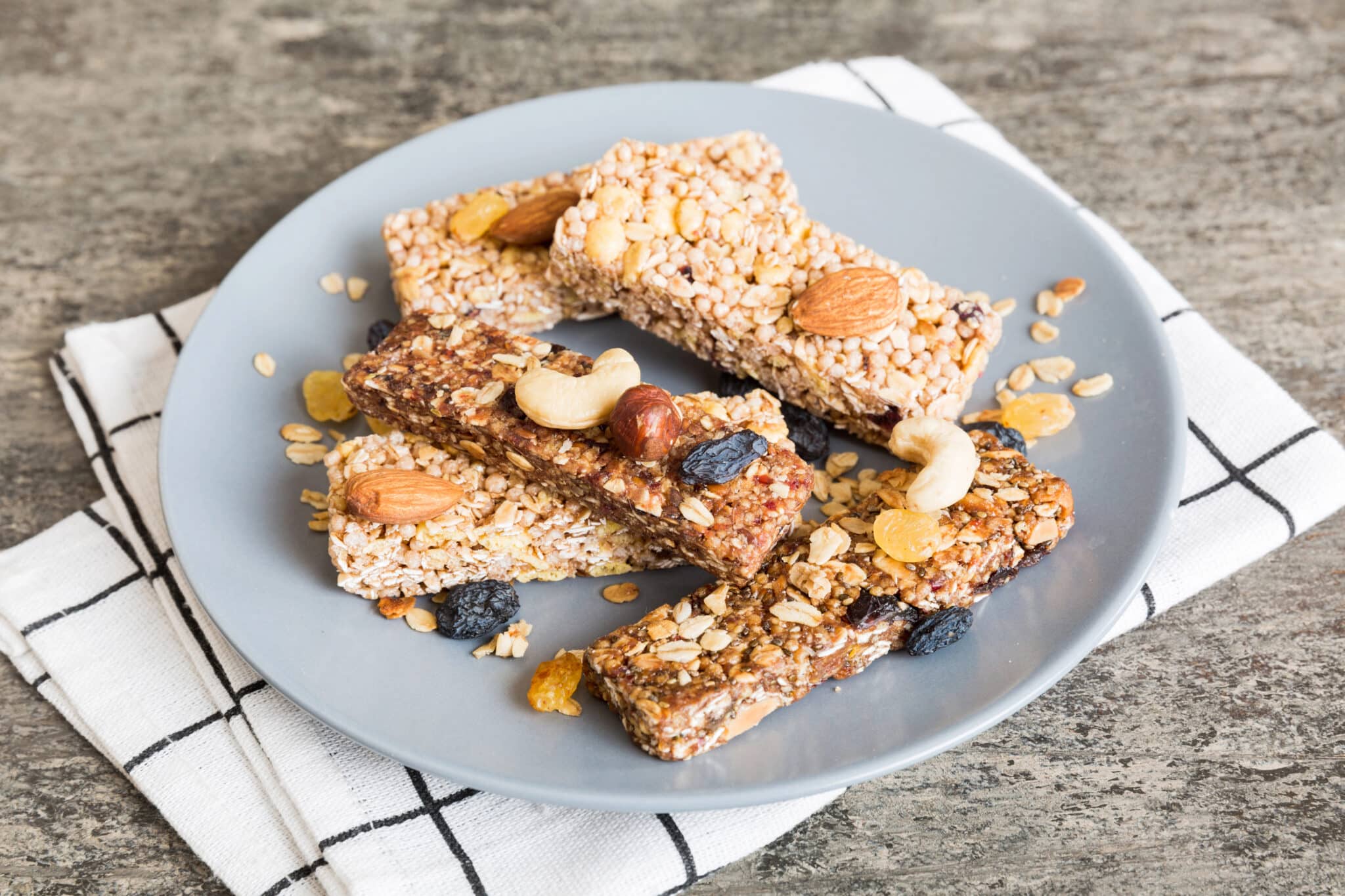

Unwrapping the Truth: The Hidden Dangers of Packaged Energy Bars
Packaged energy bars are often marketed as a quick fix for hunger, a nutritious snack, or even a meal replacement for people on the go. With sleek packaging, promises of high protein content, and health claims such as “gluten-free,” “organic,” or “low sugar,” it’s easy to believe these bars are a safe and healthy choice. However, beneath the appealing exterior, many energy bars come with hidden dangers that could impact your health more than you realize. Understanding what’s inside these products—and how they can affect your body—is key to making smarter dietary choices.
Excessive Sugar and Artificial Sweeteners
One of the biggest concerns with packaged energy bars is the sugar content. While some derive sweetness naturally from dried fruits like dates or raisins, many are loaded with added sugars or artificial sweeteners. In some bars, the sugar content can exceed that of a candy bar, sometimes reaching 15 to 30 grams per serving. This is particularly risky for individuals trying to manage blood sugar levels, such as diabetics or those with insulin resistance. Overconsumption of sugar contributes to weight gain, inflammation, and an increased risk of chronic diseases such as type 2 diabetes and heart disease. Artificial sweeteners, which are often used in “low-sugar” or “keto-friendly” bars, can also disrupt gut microbiota and lead to cravings for more sweet foods, undermining efforts at healthy eating.
Highly Processed Ingredients
Although energy bars often boast ingredients like oats, nuts, and protein isolates, they can be highly processed. The manufacturing process may strip these ingredients of their natural nutrients and add preservatives, stabilizers, and emulsifiers. These additives can cause gastrointestinal discomfort in sensitive individuals and may contribute to long-term health issues if consumed regularly.
Moreover, protein isolates used in many bars—such as whey protein isolate or soy protein isolate—are often processed with chemical solvents. While the final product is considered safe for consumption, the high degree of processing can mean you’re consuming a “food-like product” rather than a whole food.
Undeclared Allergens and Cross-Contamination Risks
Another hidden danger lies in the risk of food allergies. Many energy bars are produced in facilities that also process nuts, dairy, soy, or gluten, posing a risk of cross-contamination. Even when allergens are not listed as ingredients, trace amounts may still be present, which can be life-threatening for people with severe allergies. In recent years, recalls have occurred due to undeclared allergens found in snack and energy bars. In 2023, for example, several brands were recalled due to undeclared peanuts and tree nuts, raising serious concerns about labeling accuracy and food safety standards.
Misleading Nutritional Claims
Marketing often paints energy bars as health foods, but not all products live up to their labels. Claims like “high protein,” “low carb,” or “meal replacement” can be misleading. For instance, a bar claiming to be “high protein” might have only 8–10 grams—less than what you’d get from a boiled egg and a handful of almonds. Likewise, “meal replacement” bars might lack fiber, healthy fats, or sufficient calories to constitute a balanced meal.
Consumers should carefully read nutrition labels and ingredient lists, rather than relying on front-of-package claims. Checking for the number of calories, grams of protein, sugar, and fiber can help you determine whether the product meets your nutritional needs.
Environmental and Ethical Concerns
While not a direct health risk, the environmental footprint of many packaged energy bars is significant. Individually wrapped bars contribute to plastic waste, and the mass production of ingredients like palm oil or soy can be linked to deforestation and other ecological harms.
Additionally, some protein sources—especially soy and cocoa—have been associated with unethical labor practices. Unless certified fair trade or sustainably sourced, these ingredients may come with hidden human and environmental costs.
Safer Alternatives and Recommendations
To avoid the hidden dangers of packaged energy bars, consider these healthier alternatives and practices:
- Make your own bars at home using simple ingredients like oats, nut butters, seeds, and dried fruit.
- Snack on whole foods such as fresh fruit, hard-boiled eggs, nuts, or yogurt for more balanced nutrition.
- Read labels carefully, looking for bars with fewer than 10 grams of sugar, at least 3 grams of fiber, and recognizable whole-food ingredients.
- Use bars sparingly, reserving them for emergencies, long hikes, or when healthier options aren’t available.
Final Note
While packaged energy bars can be convenient, they are not always the healthful choice they appear to be. High levels of sugar, artificial additives, allergens, and misleading marketing claims make it essential for consumers to look beyond the label. By choosing whole foods or making your own bars at home, you can ensure you’re fueling your body with truly nutritious, safe options. Staying informed is the first step in avoiding the traps hidden inside that seemingly harmless wrapper.
