

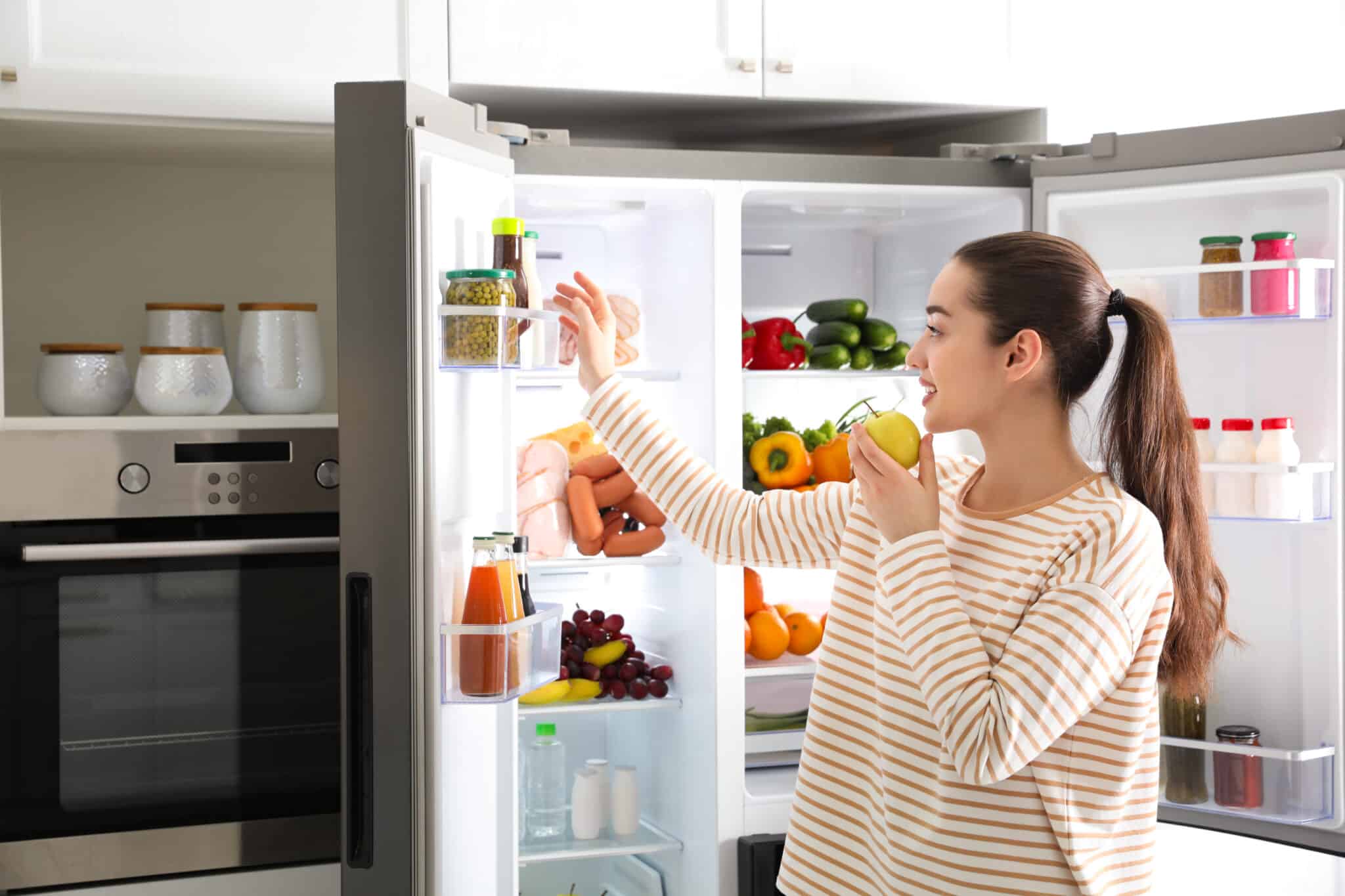

When most people think of foodborne pathogens, they imagine spoiled meat, improperly cooked chicken, or warm buffets left out too long. But Salmonella, one of the most notorious bacteria in food safety, defies many of these assumptions—particularly the idea that refrigeration renders food completely safe. from Salmonella.
In fact, certain strains of Salmonella are capable of not only surviving but even slowly growing in cold, refrigerated conditions. This remarkable adaptability is just one of the many reasons why Salmonella continues to be a leading cause of foodborne illness worldwide. With over 1.35 million U.S. Salmonella infections annually, understanding what makes this microbe so unique is critical to food safety, public health, and scientific innovation.
1. A Microbial Profile: What Is Salmonella?
Salmonella is a genus of rod-shaped, gram-negative bacteria belonging to the family Enterobacteriaceae. There are over 2,600 known serotypes, though only a few are responsible for most human illness.
The two most common in the U.S. are:
- Salmonella enterica serovar Enteritidis
- Salmonella enterica serovar Typhimurium
These non-typhoidal salmonella strains typically cause gastroenteritis, characterized by diarrhea, fever, abdominal cramps, and vomiting. In some vulnerable individuals—children, the elderly, or the immunocompromised—Salmonella can lead to invasive infections like septicemia or meningitis, or post salmonella infection irritable bowel syndrome or post salmonella infection reactive arthritis.
2. Why Is Salmonella So Resilient?
Unlike many bacteria that flourish only under ideal conditions, Salmonella is a survivalist. It has developed numerous strategies that allow it to withstand hostile environments, including:
- Acidic pH (e.g., stomach acid)
- Dry surfaces (like flour, nuts, or spices)
- Disinfectants (via biofilms)
- Freezing and cold storage
This resilience is largely due to:
- Stress response genes: Such as rpoS, which activates under starvation or low temperature.
- Membrane adaptation: Salmonella alters the fatty acid composition of its cell membrane to remain flexible and semi-permeable in cold temperatures.
- Biofilm formation: A slimy matrix that protects bacterial colonies from heat, chemicals, and antibiotics.
3. Salmonella in the Cold: Myth vs. Reality
Myth: “Refrigeration kills bacteria.”
Refrigeration slows microbial growth—it doesn’t stop or kill most bacteria. In the case of Salmonella, cold temperatures can be more of an inconvenience than a death sentence.
Scientific Evidence
Research shows that Salmonella can survive in temperatures as low as 2°C (35.6°F) for weeks or even months, depending on the food matrix and storage environment. Some strains show slight growth at 4°C (standard refrigerator temperature), particularly in:
- Raw poultry
- Pre-cut produce
- Deli meats
- Soft cheeses
A 2023 study from the Journal of Food Protection demonstrated that S. Enteritidis maintained viability and modest growth on prewashed lettuce stored at 4°C for 7 days.
4. How Does Salmonella Survive in the Fridge?
Several adaptations help Salmonella endure cold temperatures:
a. Cold Shock Proteins (CSPs)
Upon exposure to cold, Salmonella expresses CSPs that stabilize its RNA and enzymes, allowing vital processes like protein synthesis to continue.
b. Reduced Metabolic Rate
Salmonella slows down its metabolism, reducing nutrient needs and conserving energy. This dormancy allows it to survive extended periods of starvation and desiccation.
c. Osmoprotectants
To combat freezing stress and water loss, Salmonella accumulates molecules like trehalose and glycine betaine, which protect internal cell structures.
d. Biofilm Development
Biofilms enable Salmonella to adhere to metal, plastic, and organic surfaces—including fridge shelves, plastic containers, and food packaging—resisting both cold and cleaning agents.
5. The Challenge of Cross-Contamination
Even if Salmonella doesn’t grow much in the fridge, cross-contamination can easily occur if raw foods touch ready-to-eat items.
For example:
- Raw chicken juices can drip onto salad greens.
- Reusable grocery bags can transfer bacteria from meat packages to bread.
- A contaminated cutting board used for produce after meat prep can spread live bacteria—even after refrigeration.
Surveys by the USDA show that nearly 66% of home kitchens fail to follow safe handling guidelines, allowing Salmonella to move from surface to surface unnoticed.
6. What Foods Are Most at Risk in Cold Storage?
Though refrigeration helps extend shelf life and slow microbial growth, some foods remain high risk for Salmonella survival:
| High-Risk Refrigerated Foods | Why They’re Risky |
| Raw poultry & meats | Natural host of Salmonella; juices spread easily |
| Precut fruits and vegetables | Exposed surface area; often eaten raw |
| Deli meats and cheeses | Can harbor biofilms and contaminated brines |
| Egg-based products (raw dough) | Eggs are a known Salmonella source |
| Unpasteurized juices or dairy | Lack of heat treatment allows pathogen survival |
7. Recent Outbreaks Involving Cold-Stored Foods
Salmonella is no longer just a poultry or egg issue. In recent years, outbreaks have been traced to foods traditionally considered “low-risk”:
- 2023: Bagged salad greens in multiple states led to over 150 confirmed cases of S. Typhimurium. Investigators found contamination in a facility’s cold storage tanks.
- 2022: Pre-cut cantaloupe was linked to a multi-state outbreak involving S. Javiana, traced back to a refrigerated packing house in Texas.
- 2021: Soft cheese (queso fresco) was recalled due to contamination with S. Newport.
These incidents underscore the need for updated safety protocols even for refrigerated products.
8. Detection Is Getting Smarter
Traditional culture-based methods for detecting Salmonella in food can take 2–5 days. Today’s researchers are developing rapid, low-temperature-compatible detection tools, including:
- PCR assays that target specific Salmonella genes
- Immunoassays using fluorescent antibodies
- Paper-based biosensors that change color in the presence of Salmonella DNA
In 2024, a team at the University at Albany unveiled a disposable paper test that detects Salmonella in cold conditions within 6 hours—potentially a game-changer for refrigerated food safety.
9. New Frontiers in Refrigeration Safety
Scientists and engineers are also tackling Salmonella’s cold resistance by:
- Developing smart fridges with microbial sensors
- Designing antimicrobial food packaging that inhibits bacterial survival
- Exploring natural preservatives like oregano oil and vinegar compounds that retain effectiveness at low temperatures
In a pilot program, grocers in Sweden tested packaging that slowly releases bacteriophages (viruses that kill Salmonella) to reduce cold storage contamination—showing a 70% reduction in viable bacteria.
10. Consumer Safety Tips: Protecting Your Fridge from Salmonella
Here are science-backed tips for home kitchens:
- Keep fridge temps below 40°F (4°C)
- Store raw meats on the lowest shelf, sealed tightly
- Clean fridge shelves weekly with diluted bleach or vinegar solution
- Use separate cutting boards for raw meats and vegetables
- Don’t wash raw chicken—it spreads bacteria via splashes
- Reheat leftovers to at least 165°F (74°C)
- Pay attention to recall alerts from the USDA or FDA
11. The Legal Landscape
As Salmonella continues to cause outbreaks, especially in products that are refrigerated and presumed “safe,” lawsuits have followed. When cold-stored foods result in injury, the legal question is often: Was enough done to prevent contamination?
According to food safety attorney Tony Coveny,
“Companies can’t hide behind the idea that refrigeration is enough. Courts increasingly expect producers, retailers, and restaurants to understand the biology of Salmonella and implement real safeguards—including pathogen testing in cold environments.”
This legal shift has pushed many manufacturers to invest in continuous monitoring and real-time microbial detection systems.
Salmonella – Dangerous at any Temperature!
Salmonella is not just a warm-weather or undercooked chicken problem—it is a highly adaptive, cold-tolerant organism capable of surviving in places most people assume are safe. Its ability to persist in refrigerated environments, coupled with its resistance to sanitizers and its silent presence in “clean” foods, makes it one of the most formidable pathogens in modern food safety.
Refrigeration is still one of the most powerful tools we have against microbial growth—but it’s not a magic shield. Understanding how Salmonella works, and acting accordingly in food handling, storage, and regulation, is key to keeping it at bay.
As research continues to expose the depth of Salmonella’s adaptability, one thing becomes clear: safety starts not just with technology, but with knowledge.
