

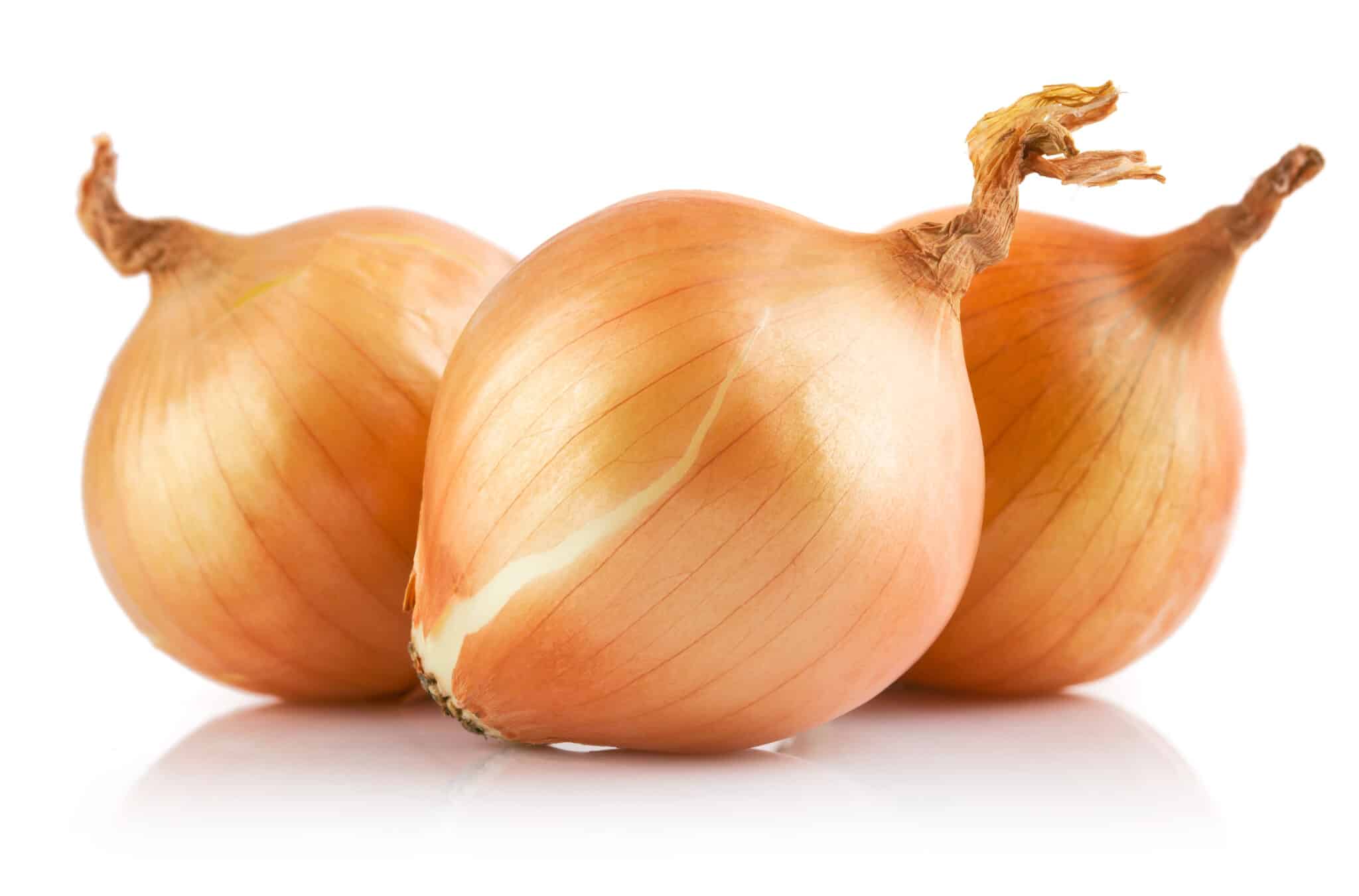

Onions, a widely consumed vegetable across the globe, have been frequently implicated in outbreaks of foodborne illnesses, particularly those caused by Salmonella and Escherichia coli (E. coli) bacteria. The occurrence of Salmonella and E. coli on onions has raised questions about how these pathogens contaminate the onions and how they are transmitted to humans. Understanding the reasons behind onions being a common carrier of these bacteria involves examining various factors, including the growing, harvesting, packaging, and handling processes. Moreover, certain properties of onions make them particularly susceptible to contamination. In this discussion, we will explore why onions are vulnerable to contamination by Salmonella and E. coli, and how the transmission of these bacteria is facilitated from farm to table.
1. How Do Salmonella and E. coli Contaminate Onions?
The contamination of onions by Salmonella and E. coli can occur at various stages of their life cycle, from growth in the field to processing and packaging. Both Salmonella and E. coli are fecal-oral bacteria, meaning they originate in the intestines of animals and humans and are transmitted to foods through exposure to fecal matter. Contamination can occur in the following ways:
a. Contaminated Water Supply
One of the primary sources of contamination is water used during the irrigation of crops. If the water is contaminated with animal or human feces, which can happen through agricultural runoff or improper waste management, it can carry Salmonella or E. coli to the crops. Onions, which grow close to or under the soil surface, are particularly susceptible to contamination through the use of contaminated irrigation water. Surface runoff from nearby livestock farms can introduce these pathogens into irrigation systems, especially if untreated or poorly treated water is used.
b. Soil Contamination
Another critical source of contamination is the soil itself. Fertilizers made from animal manure, if not properly composted, can harbor Salmonella and E. coli. When onions come into direct contact with contaminated soil, they can become tainted with these bacteria. Onions are usually grown directly in soil and harvested when their bulbs are in close contact with the ground, increasing the chances of contamination. Soil that has been exposed to feces from nearby livestock operations is also a significant risk factor.
c. Contaminated Harvesting Equipment
The equipment used to harvest onions can also introduce contamination. Agricultural machinery and tools that have come into contact with contaminated soil, water, or animal feces can transfer Salmonella or E. coli onto onions during the harvesting process. Additionally, improper cleaning or lack of sanitation of these tools exacerbates the risk of cross-contamination between contaminated and uncontaminated crops.
d. Handling by Farm Workers
Human handling during harvesting, processing, or packaging can also introduce pathogens like Salmonella and E. coli. If farm workers do not follow proper hygiene practices, such as handwashing after using the restroom, they can transfer these bacteria to the onions. This becomes particularly concerning when farm workers touch onions directly, especially in large-scale production settings where a single infected worker can contaminate vast quantities of produce.
2. Why Are Onions Particularly Susceptible?
Onions, unlike some other crops, have several characteristics that make them especially susceptible to Salmonella and E. coli contamination. While onions have natural antimicrobial properties, which might help prevent some bacterial growth on their surfaces, they are still vulnerable to external contamination for the following reasons:
a. Porous and Layered Structure
Onions have a porous and layered structure, especially the outer layers, which can trap soil, debris, and bacteria. When these outer layers come into contact with contaminated soil or water, bacteria can become lodged in the crevices between the layers. Once inside, these bacteria are not easily removed by rinsing or peeling. Moreover, any cuts or abrasions during harvesting can allow bacteria to penetrate the onion’s interior layers.
b. Prolonged Shelf Life and Storage Conditions
Onions are often stored for long periods before consumption. During storage, Salmonella and E. coli can survive for weeks or even months on the surface of onions. Unlike fresh produce like leafy greens that are consumed relatively quickly, onions’ long shelf life provides more time for bacterial populations to survive and potentially proliferate. Onions are often stored in cool, dry environments, which may slow bacterial growth but not eliminate it.
c. Contact with Contaminated Surfaces During Processing
Onions go through several stages of processing, such as peeling, cutting, and packaging, which increase their exposure to contaminated surfaces. If these surfaces are not properly sanitized, they can transfer Salmonella or E. coli to the onions. Additionally, equipment used in the processing of onions is often difficult to clean due to its design, creating an opportunity for bacterial residues to persist and contaminate future batches.
3. How is the Transmission of Bacteria Facilitated?
The transmission of Salmonella and E. coli from onions to humans occurs through several routes. Improper handling, cross-contamination, and inadequate cooking are the most common pathways.
a. Onions and Cross-Contamination in the Kitchen
Cross-contamination is a significant mode of transmission of Salmonella and E. coli. When contaminated onions come into contact with kitchen surfaces, utensils, or other foods, bacteria can spread. For example, if a person cuts contaminated onions on a cutting board and then uses the same board to prepare another food item, bacteria from the onions can be transferred to that food. This is especially concerning when raw foods, like salads, are involved, as they are not subject to heat that could kill bacteria.
b. Inadequate Washing or Peeling
Even though onions are often peeled before consumption, bacteria on the outer layers can still contaminate the inner layers if proper hygiene practices are not followed. Washing the onion before peeling can reduce the risk of contamination, but if the bacteria have penetrated the layers or the washing is insufficient, they can still be present when the onion is consumed.
c. Consumption of Raw Onions
Raw onions are a common ingredient in salads, sandwiches, and other dishes. Unlike cooked onions, which are subjected to heat that can kill Salmonella and E. coli, raw onions provide a direct route for bacteria to enter the human body. If contaminated onions are consumed raw, the risk of foodborne illness increases significantly. This is particularly problematic because many people do not consider onions a high-risk food, unlike poultry or eggs, and may not take the same precautions when preparing them.
d. Inadequate Cooking Temperatures
Although cooking can kill Salmonella and E. coli, inadequate cooking temperatures may not be sufficient to destroy all bacteria present on onions. Some recipes that call for lightly sautéing onions may not involve temperatures high enough to effectively kill the bacteria. Moreover, onions added to cooked dishes after the cooking process has ended can reintroduce bacteria if they were not properly handled or cleaned.
4. Preventing Contamination and Transmission
Efforts to prevent the contamination of onions and subsequent transmission of Salmonella and E. coli should focus on every stage of the onion’s journey from farm to table. These efforts include:
- Ensuring the use of clean, treated water for irrigation.
- Properly composting manure and maintaining soil hygiene.
- Thoroughly cleaning and sanitizing harvesting and processing equipment.
- Implementing strict hygiene protocols for farm workers and food handlers.
- Washing onions thoroughly before use and avoiding cross-contamination in the kitchen.
- Cooking onions to adequate temperatures when possible.
In conclusion, onions are a common carrier of Salmonella and E. coli due to their growth conditions, handling processes, and characteristics that make them susceptible to contamination. The transmission of these bacteria is facilitated by improper handling, cross-contamination, and the consumption of raw or inadequately cooked onions. To reduce the risk of foodborne illness, it is crucial to implement proper agricultural, processing, and food handling practices.
