

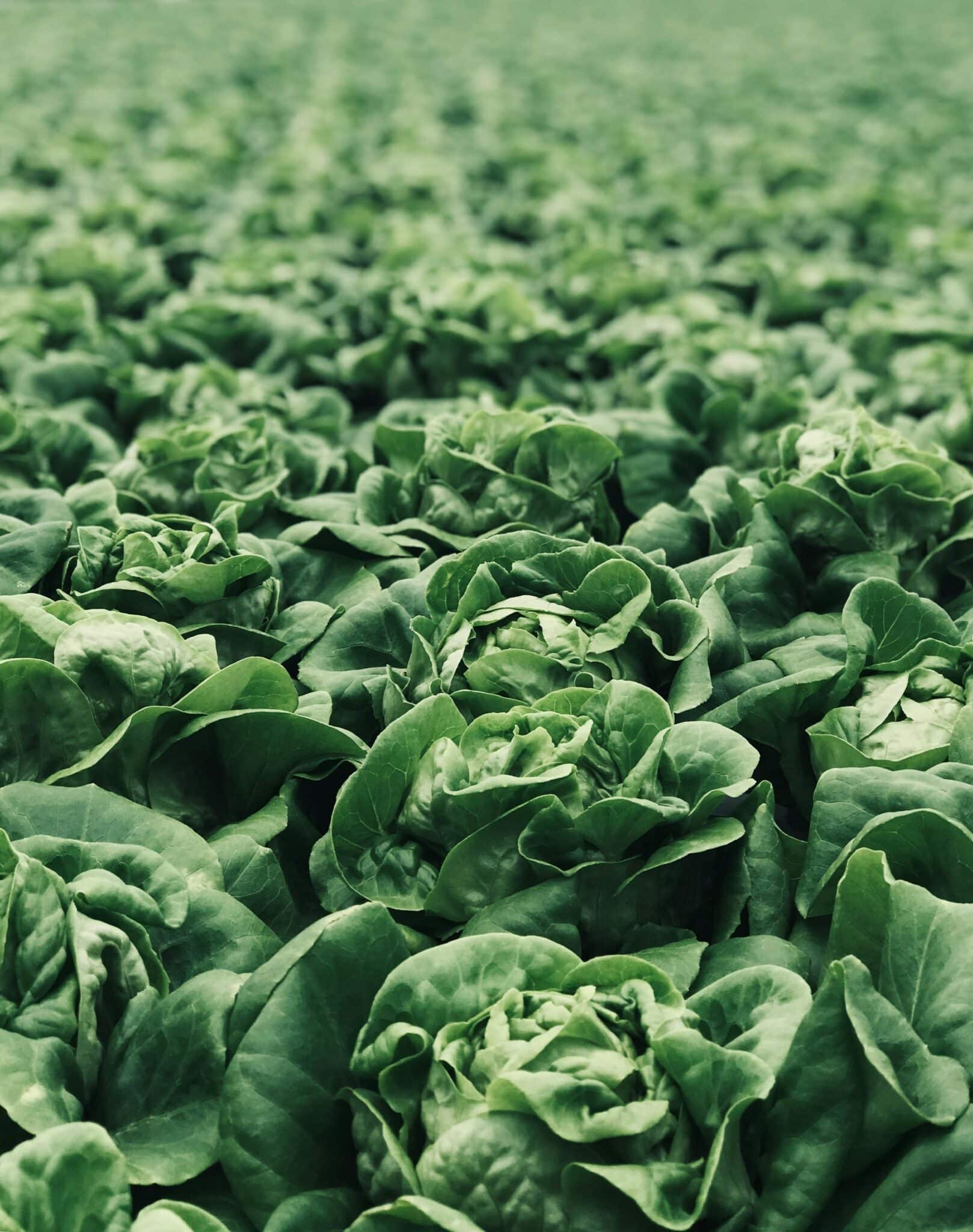

Pre-washed bagged greens, celebrated for convenience, remain a recurring source of foodborne illness outbreaks despite industry assurances. Contamination risks persist throughout the supply chain, with pathogens like E. coli O157:H7, Listeria, and Salmonella implicated in hospitalizations, kidney failure, and fatalities. Leafy greens account for up to 9.2% of known pathogen-related foodborne illnesses in the U.S., approximately 2.3 million annual cases.
Contamination Pathways
Farm-Level Vulnerabilities:
- Proximity to livestock operations in major growing regions (e.g., Arizona, California) allows pathogens from manure lagoons to enter irrigation water, contaminating crops.
- Wild animals, soil, and airborne particles further introduce pathogens during growth.
Processing Risks:
- Greens from multiple farms are mixed in centralized facilities. A single contaminated leaf can spread pathogens across thousands of bags during industrial washing in large water vats.
- Cutting or shredding greens compromises their protective surfaces, accelerating bacterial growth. Studies show shredded lettuce supports an 11-fold increase in E. coli within hours compared to whole leaves.
Temperature Sensitivity:
Refrigeration slows but does not kill pathogens. Temperature fluctuations during transport or storage can accelerate bacterial proliferation.
Table: Recent Outbreaks Linked to Bagged Greens
| Year | Pathogen | Cases/Impacts | Source |
| 2018 | E. Coli O157:H7 | 210 illnesses, 5 deaths | Romaine lettuce |
| 2024 | E. Coli | 88 illnesses, 1 death | Romaine lettuce |
Mitigation Strategies
Regulatory & Industry Actions:
- The FDA’s Leafy Greens STEC Action Plan (updated 2023) mandates stricter water testing and traceability protocols.
- The Leafy Greens Marketing Agreement (LGMA) requires audits for 90% of U.S. producers, focusing on irrigation water quality and field sanitation.
- Technologies like blockchain for supply chain transparency and AI-driven pathogen detection are being deployed to identify contamination sources faster.
Consumer Guidance:
- Avoid rewashing: Home rinsing can introduce cross-contamination from sinks or utensils. Industrial triple-washing is designed to minimize risks, and additional handling may increase them.
- Opt for whole heads: Whole lettuce or spinach has less exposed surface area, reducing contamination risk.
- Storage vigilance: Keep greens at ≤40°F, check for recalls, and discard slimy or expired products.
Ongoing Challenges
Despite LGMA compliance, a 2024 review noted that contamination can occur at any stage, making “zero risk” unattainable. Centralized processing remains a vulnerability, as mixing greens from numerous farms complicates outbreak traceability.
The Road Ahead
Innovations like irradiation for spinach and iceberg lettuce (approved by the FDA) and DNA-based traceability show promise. However, eliminating outbreaks entirely requires harmonized efforts, from stricter water regulations near feedlots to consumer adherence to storage protocols. As one expert notes, the biology of raw greens means risk can only be managed, not eradicated.
