
Close Menu
  • Food Poisoning
    • Symptoms
    • Prevention
    • Treatment
    • Causes
  • Pathogens
    • Botulism
    • Campylobacter
    • E. coli
    • Cyclospora
    • Norovirus
    • Hepatitis A
    • Salmonella
    • Listeria
    • Shigella
  • Food Safety
    • How to wash your hands
    • Food Safty And The Holidays
  • Legal
    • Can I sue for Food Poisoning?
    • E. coli Lawyer
      • E. coli Lawsuit
    • Salmonella Lawyer
      • Salmonella Lawsuit
    • Botulism Lawyer
    • Cyclospora Lawyer
    • Shigella Lawyer
    • Hepatitis A Lawyer
  • Outbreaks and Recalls
  • Connect With A Lawyer
What's Hot

A History of Jalapeños: Foodborne Illness Outbreaks Linked to the Spicy Delicacy

August 6, 2026

Man Eats at Taco Bell, then Loses Job after Falling Ill from Cyclosporiasis

August 6, 2026

The Largest Recorded Cyclosporiasis Outbreak in U.S. History: Why the CDC Expanded the Investigation to Fifteen States

August 6, 2026
Facebook X (Twitter) Instagram
Facebook X (Twitter) YouTube
  • About
  • Contact Us
Food Poisoning NewsFood Poisoning News
  • Home
  • Food Poisoning
    • What is Food Poisoning?
      • Symptoms
      • Causes
      • Prevention
      • Treatment
      • Statistics
    • Pathogens
      • Botulism
      • Campylobacter
      • E. coli
      • Hepatitis A
      • Shigella
      • Norovirus
      • Salmonella
      • Cyclospora
      • Listeria
  • Food Safety
    • How to wash your hands
    • Food Safty And The Holidays
  • Legal
    • Salmonella Lawyer
      • Salmonella Lawsuit
    • E. coli Lawyer
      • E. coli Lawsuit
    • Cyclospora Lawyer
    • Shigella Lawyer
    • Hepatitis A Lawyer
    • Botulism Lawyer
  • Outbreaks and Recalls
Food Poisoning NewsFood Poisoning News
Home»Helpful Articles»Why Pre-Washed Greens Keep Causing Outbreaks & What’s Being Done
Why Pre-Washed Greens Keep Causing Outbreaks & What’s Being Done
Helpful Articles

Why Pre-Washed Greens Keep Causing Outbreaks & What’s Being Done

Kit RedwineBy Kit RedwineJuly 23, 2025No Comments3 Mins Read
Share
Facebook Twitter LinkedIn Pinterest Email Reddit

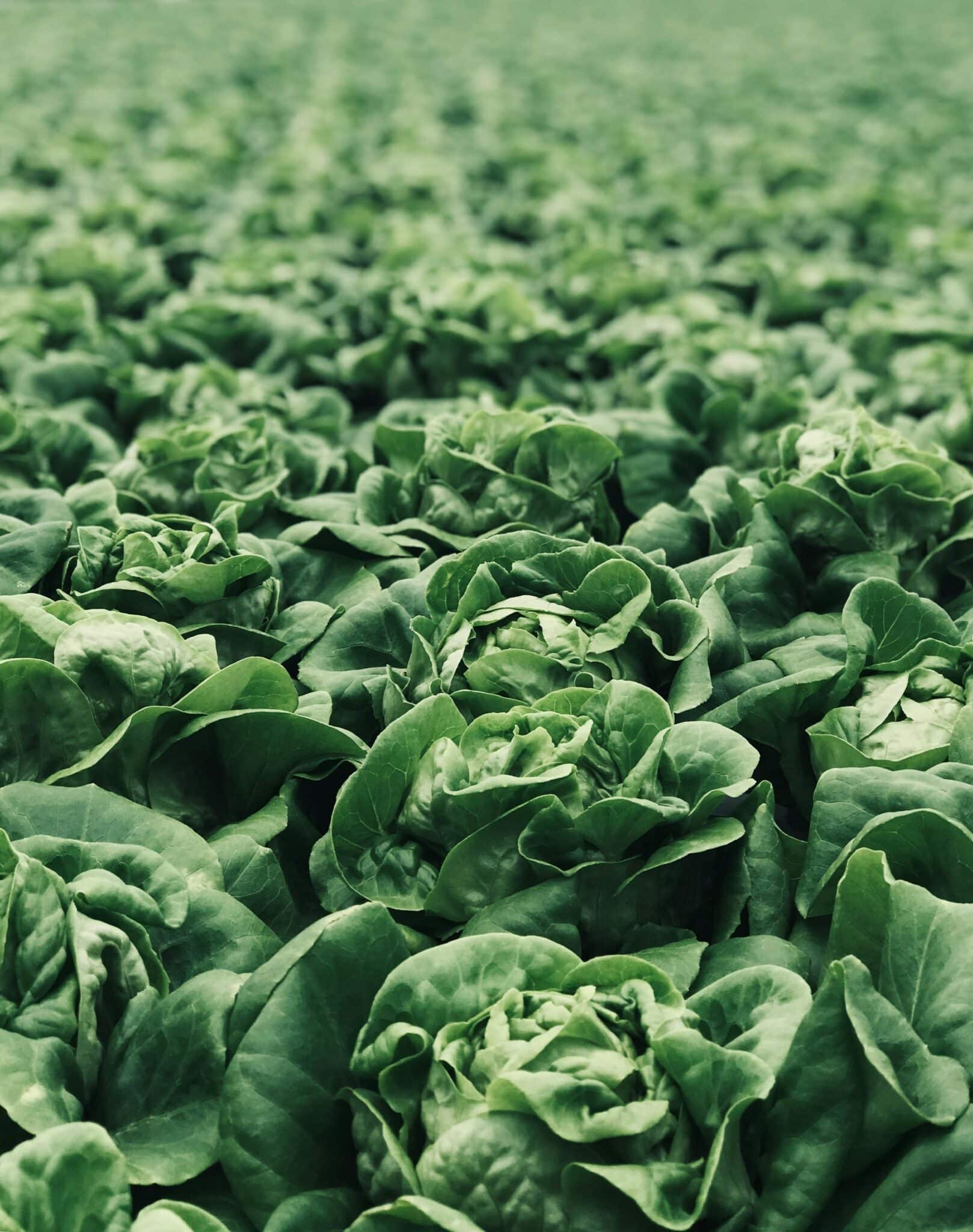
Pre-washed bagged greens, celebrated for convenience, remain a recurring source of foodborne illness outbreaks despite industry assurances. Contamination risks persist throughout the supply chain, with pathogens like E. coli O157:H7, Listeria, and Salmonella implicated in hospitalizations, kidney failure, and fatalities.  Leafy greens account for up to 9.2% of known pathogen-related foodborne illnesses in the U.S., approximately 2.3 million annual cases.   

Contamination Pathways  

Farm-Level Vulnerabilities:  

  • Proximity to livestock operations in major growing regions (e.g., Arizona, California) allows pathogens from manure lagoons to enter irrigation water, contaminating crops.   
  • Wild animals, soil, and airborne particles further introduce pathogens during growth.   

Processing Risks:  

  • Greens from multiple farms are mixed in centralized facilities. A single contaminated leaf can spread pathogens across thousands of bags during industrial washing in large water vats.   
  • Cutting or shredding greens compromises their protective surfaces, accelerating bacterial growth. Studies show shredded lettuce supports an 11-fold increase in E. coli within hours compared to whole leaves.   

Temperature Sensitivity:  

Refrigeration slows but does not kill pathogens. Temperature fluctuations during transport or storage can accelerate bacterial proliferation.   

Table: Recent Outbreaks Linked to Bagged Greens  

YearPathogenCases/ImpactsSource
2018E. Coli O157:H7210 illnesses, 5 deathsRomaine lettuce
2024E. Coli88 illnesses, 1 deathRomaine lettuce

Mitigation Strategies  

Regulatory & Industry Actions:  

  • The FDA’s Leafy Greens STEC Action Plan (updated 2023) mandates stricter water testing and traceability protocols.   
  • The Leafy Greens Marketing Agreement (LGMA) requires audits for 90% of U.S. producers, focusing on irrigation water quality and field sanitation.   
  • Technologies like blockchain for supply chain transparency and AI-driven pathogen detection are being deployed to identify contamination sources faster.   

Consumer Guidance:  

  • Avoid rewashing: Home rinsing can introduce cross-contamination from sinks or utensils. Industrial triple-washing is designed to minimize risks, and additional handling may increase them.   
  • Opt for whole heads: Whole lettuce or spinach has less exposed surface area, reducing contamination risk.   
  • Storage vigilance: Keep greens at ≤40°F, check for recalls, and discard slimy or expired products.   

Ongoing Challenges  

Despite LGMA compliance, a 2024 review noted that contamination can occur at any stage, making “zero risk” unattainable.  Centralized processing remains a vulnerability, as mixing greens from numerous farms complicates outbreak traceability.   

The Road Ahead  

Innovations like irradiation for spinach and iceberg lettuce (approved by the FDA) and DNA-based traceability show promise.  However, eliminating outbreaks entirely requires harmonized efforts, from stricter water regulations near feedlots to consumer adherence to storage protocols. As one expert notes, the biology of raw greens means risk can only be managed, not eradicated. 

Share. Facebook Twitter Pinterest LinkedIn Tumblr Email
Avatar photo
Kit Redwine

Kit Redwine is a senior technology sales and media professional with over 20 years of experience and holds an MBA. He is skilled in technology sales, creative engagement, and building strategic relationships in multiple industries. His career is dedicated to helping organizations streamline complex project portfolios and improve workflows. He currently researches and writes weekly articles to inform and create awareness of food safety practices to help prevent foodborne illness caused by pathogens such as Salmonella, Listeria, and E. coli.

Related Posts

Salmonella Javiana – Jalapeno’s at Chipotle

August 5, 2026

Why Cyclospora Sticks to Lettuce — and What Actually Stops It on the Farm

July 28, 2026

Back-to-School Food Poisoning: How Parents Can Help Keep Kids Safe This School Year

July 16, 2026

The Appropriate Way to Wash Produce: Why Proper Cleaning of Store Bought and Homegrown Fruits and Vegetables Remains a Critical Defense Against Foodborne Illness

July 13, 2026
Add A Comment
Leave A Reply Cancel Reply

Attorney Advertisement
Ron Simon

Subscribe to Updates

Get the latest food safety recall, outbreak, & investigation news.

Latest Posts

A History of Jalapeños: Foodborne Illness Outbreaks Linked to the Spicy Delicacy

August 6, 2026

Man Eats at Taco Bell, then Loses Job after Falling Ill from Cyclosporiasis

August 6, 2026

Salmonella Javiana – Jalapeno’s at Chipotle

August 5, 2026

Food Poisoning News is a website devoted to providing you with the most current information on food safety, dangerous pathogens, food poisoning outbreaks and outbreak prevention, and food poisoning litigation.

We're social. Connect with us:

Facebook X (Twitter) YouTube
Latest Posts

A History of Jalapeños: Foodborne Illness Outbreaks Linked to the Spicy Delicacy

August 6, 2026

Man Eats at Taco Bell, then Loses Job after Falling Ill from Cyclosporiasis

August 6, 2026

Salmonella Javiana – Jalapeno’s at Chipotle

August 5, 2026
Get Informed

Subscribe to Updates

Get the latest food safety recall, outbreak, & investigation news.

Facebook X (Twitter) YouTube
  • Home
  • About
  • Editorial Standards & Ethics Policy
  • Sourcing & Fact-Checking Policy
  • Corrections & Clarifications Policy
  • Our Authors
  • Medical Disclaimer
  • Legal Disclaimer & Attorney Advertising Notice
  • Privacy Policy
  • Terms of Use
  • Get In Touch
© 2026 Food Poisoning News. Sponsored by Ron Simon & Associates a Houston, TX law firm. Powered by ArmaVita.
Our website and content are for informational purposes only. Food Poisoning News does not provide legal advice, medical advice, diagnosis, or treatment.

Type above and press Enter to search. Press Esc to cancel.