


The Outbreak at a Glance
On June 4, 2026, the U.S. Food and Drug Administration (FDA), in collaboration with the Centers for Disease Control and Prevention (CDC) and state health partners, announced an investigation into a multi‑state outbreak of Listeria monocytogenes infections linked to soft requesón cheese produced by Clover Hill Dairy in Mechanicsville, Maryland. As of the initial announcement, eight people across three states, Maryland, New York, and Virginia, had been infected with the same outbreak strain of Listeria monocytogenes. Among those eight patients, seven required hospitalization and one person in Maryland died. The Maryland Department of Health reported that the age range of sick individuals spanned from 16 to 81 years, with sample collection dates ranging from March 6, 2023, to May 9, 2026. This multi‑year timeline indicates that the outbreak was not a sudden event but a persistent contamination issue that may have gone undetected for an extended period.
The implicated product was Clover Hill Dairy’s requesón, a soft cheese similar to ricotta, which may be sold plain or with added jalapeños or other flavors. The cheese was distributed directly from the dairy’s retail market, at farmers markets, and through third‑party distributors, including locations in Maryland, New York, and Virginia. Because the cheese may be relabeled under different brand names when distributed, the FDA advised consumers to check the manufacturer information on packages for the Clover Hill Dairy permit number “24‑128” to identify affected products. On June 3, 2026, Clover Hill Dairy issued a voluntary recall of its requesón products, and the Maryland Department of Health immediately suspended the facility’s operating license pending a follow‑up evaluation.
What Is Listeria monocytogenes?
Listeria monocytogenes is a species of bacterium that causes the infection known as listeriosis. It is a rod‑shaped, gram‑positive bacterium that is widely distributed in the environment and can be isolated from soil, water, and decaying vegetation. Unlike many other foodborne pathogens, L. monocytogenes is psychrotrophic, meaning it can survive and actively grow at refrigeration temperatures, and it can easily spread to other foods and surfaces in a contaminated environment. The bacteria are inactivated by proper cooking, but refrigerated, ready‑to‑eat foods are vulnerable because they are consumed without a subsequent kill step.
The CDC estimates that approximately 1,250 cases of listeriosis occur annually in the United States, with nearly all diagnosed patients requiring hospitalization. Listeriosis is the fourth leading cause of death from foodborne illness in the country, with about 172 deaths per year and an overall case‑fatality rate of about 20%. In pregnancy‑associated cases, nearly 25% result in fetal loss or death of the newborn.
Listeriosis manifests in two main forms. The non‑invasive, milder form, known as febrile gastroenteritis, typically occurs in otherwise healthy individuals and may produce symptoms such as fever, muscle aches, nausea, vomiting, and diarrhea that usually resolve within one to three days. The far more dangerous form is invasive listeriosis, which occurs when the bacteria spread beyond the gastrointestinal tract to other parts of the body. Symptoms of invasive disease include headache, stiff neck, confusion, loss of balance, and convulsions, in addition to fever and muscle aches. The incubation period for listeriosis is unusually long and variable; symptoms typically begin within two weeks of eating contaminated food, but onset can occur as early as the same day or as late as 10 weeks after exposure.
Why Soft Cheeses Are at High Risk for Listeria Contamination
Soft cheeses, including requesón, queso fresco, ricotta, Brie, Camembert, and similar varieties, are consistently identified as high‑risk vehicles for Listeria monocytogenes. Between 1998 and 2014, a total of 17 L. monocytogenes outbreaks in the United States were linked to soft cheeses, with 65% of those outbreaks associated specifically with Hispanic‑style cheese products such as queso fresco and requesón.
Several intrinsic and extrinsic factors contribute to this vulnerability. Soft cheeses typically have a higher moisture content, a near‑neutral pH, and a lower salt concentration than hard, aged cheeses, creating an environment that supports the growth of L. monocytogenes. Research has demonstrated that commercial queso fresco products support the growth of L. monocytogenes during refrigerated storage, whereas harder, lower‑moisture cheeses like queso cotija do not. The physical structure of soft cheeses also provides less barrier to bacterial penetration than the dense, dry interior of aged cheeses.
The majority of L. monocytogenes contamination in soft cheese occurs after the pasteurization step, during the handling, cutting, packaging, or environmental contact that follows heat treatment. Because pasteurization effectively kills the bacterium, any contamination found in pasteurized soft cheese is the result of post‑processing introduction. Once introduced, L. monocytogenes can establish itself on equipment, drain surfaces, floors, and other non‑food contact areas in a processing facility, where it can persist for months or even years.
Vulnerable Populations and the Severity of Listeriosis
The consequences of listeriosis are not distributed evenly across the population. The groups at highest risk for severe, invasive disease are pregnant women, adults aged 65 years and older, and individuals with weakened immune systems due to medical conditions or treatments. These populations are disproportionately affected because their immune systems are less capable of containing the bacteria to the gastrointestinal tract, allowing it to disseminate widely throughout the body.
Pregnancy is a particularly vulnerable state because hormonal changes alter the immune system, and the placenta does not serve as an effective barrier against L. monocytogenes. While a pregnant woman may experience only mild, flu‑like symptoms or no symptoms at all, the bacteria can cross the placenta and infect the developing fetus, leading to miscarriage, stillbirth, premature delivery, or a life‑threatening infection in the newborn. Listeriosis during pregnancy can result in a low‑birth‑weight infant, serious health problems for the newborn, or even infant death.
In older adults and immunocompromised individuals, invasive listeriosis most commonly presents as sepsis, meningitis, or meningoencephalitis. These conditions require aggressive medical intervention and have high mortality rates. The 2024 Boar’s Head deli meat Listeria outbreak with 61 confirmed cases resulted in 60 hospitalizations and 10 deaths, illustrating the near‑inevitability of severe outcomes once invasive infection is established.
A History of Recurring Listeria Outbreaks in Cheese
The 2026 Clover Hill Dairy outbreak is one in a long series of cheese‑related Listeria events in the United States.
In 2024, a decade‑long multistate L. monocytogenes outbreak was epidemiologically linked to queso fresco and queso cotija produced by a single manufacturer, resulting in an extensive recall of all products made at the implicated facility, as well as products from other companies that used those cheeses as ingredients.
In August 2025, Middlefield Original Cheese Co‑Op recalled 100% grass‑fed pepper jack cheese and horseradish flavored cheese due to possible Listeria monocytogenes contamination.
In late 2025, The Ambriola Company recalled select cheese products after routine testing confirmed the presence of Listeria monocytogenes; the FDA later upgraded the recall to Class I, its highest risk category, indicating a “reasonable probability” that consuming the product could cause serious illness or death. The recall affected numerous grated Pecorino Romano products sold under multiple brand names, including Locatelli, Pinna, Boar’s Head, and Member’s Mark.
These recurring recalls demonstrate that soft and semi‑soft cheeses remain a persistent challenge for the food industry, and that environmental contamination is often established in facilities for long periods before detection.
Analysis and Next Steps
What is new about the 2026 Clover Hill Dairy outbreak is not the pathogen or the vehicle, soft cheese has long been recognized as a high‑risk category, but rather the circumstances of the investigation. The Maryland Department of Health announced the recall and simultaneously suspended the facility’s operating license, an unusually swift regulatory action that may signal increased regulatory resolve following the 2024 decade‑long queso fresco outbreak. Also significant is the timeline: illness sample collection dates ranged from March 2023 to May 2026, indicating that the outbreak was active for more than three years before the recall was issued. This delay underscores a persistent challenge in listeriosis surveillance: because the incubation period is long, cases are sporadic, and many infected individuals do not recall the specific food they ate, outbreaks can smolder for years before enough cases accumulate to trigger a traceback investigation.
Why this matters is because the consequences of listeriosis are uniquely severe. Among foodborne pathogens, Listeria monocytogenes has one of the highest hospitalization and mortality rates, with nearly every diagnosed patient requiring hospital care and approximately one in five dying from the infection. For pregnant women, a single exposure can end a pregnancy or cause lifelong disability in a newborn. For older adults and the immunocompromised, a contaminated soft cheese can lead to weeks in an intensive care unit, permanent neurological damage, or death. The recurrence of these outbreaks, decade after decade, despite known control measures, represents a systemic failure in the dairy industry and in regulatory oversight.
Who is affected extends far beyond the eight confirmed cases in this outbreak. Because the implicated cheese was distributed through retail markets, farmers markets, and third‑party distributors, the number of potentially exposed consumers is unknowable but likely substantial. The true number of illnesses is also likely undercounted, as many people with mild gastrointestinal symptoms do not seek medical care, and even when they do, diagnostic testing for Listeria is not routine in the absence of a known outbreak. The most severely affected groups are pregnant women, older adults, and immunocompromised individuals, but the outbreak affects anyone who purchased or consumed recalled cheese.
What to do now requires action at multiple levels. For consumers, the CDC and FDA recommend that anyone who has purchased recalled requesón or soft ricotta cheese from Clover Hill Dairy should discard it immediately, even if it appears normal and smells fine. Because Listeria can survive in refrigerators and spread to other foods, any surfaces or containers that touched the recalled cheese should be thoroughly cleaned and sanitized. Pregnant women, adults 65 and older, and immunocompromised individuals are advised not to eat any queso fresco‑type cheeses, including soft ricotta and requesón, due to the well‑documented risk. Anyone who develops symptoms of listeriosis after consuming recalled cheese should contact a healthcare provider and mention the exposure.
For the food industry, the outbreak reinforces the need for rigorous environmental monitoring for Listeria in facilities that produce ready‑to‑eat soft cheeses. Because pasteurization kills the bacterium, post‑processing contamination is the primary concern, and controlling it requires strict sanitation of equipment, elimination of standing water where Listeria can grow, and regular environmental swabbing to detect resident strains before they contaminate product. The Maryland Department of Health’s suspension of Clover Hill Dairy’s operating license signals that regulatory tolerance for persistent contamination may be decreasing, but only consistent enforcement will drive industry‑wide change.
For regulators and public health agencies, the multi‑year duration of this outbreak before detection highlights the need for more sensitive surveillance systems that can link sporadic cases across longer time spans. Increased use of whole genome sequencing for all Listeria isolates, combined with routine sharing of sequence data across state and federal agencies, can shorten the time between the first illness and the identification of a common source. In addition, the FDA should consider whether the current regulatory framework for soft cheese processing facilities provides adequate oversight for environmental monitoring and whether more frequent unannounced inspections are needed for facilities with a history of contamination. The goal is not to eliminate soft cheese from the diet but to ensure that when consumers choose these products, they are not unknowingly accepting a risk of severe, preventable illness.
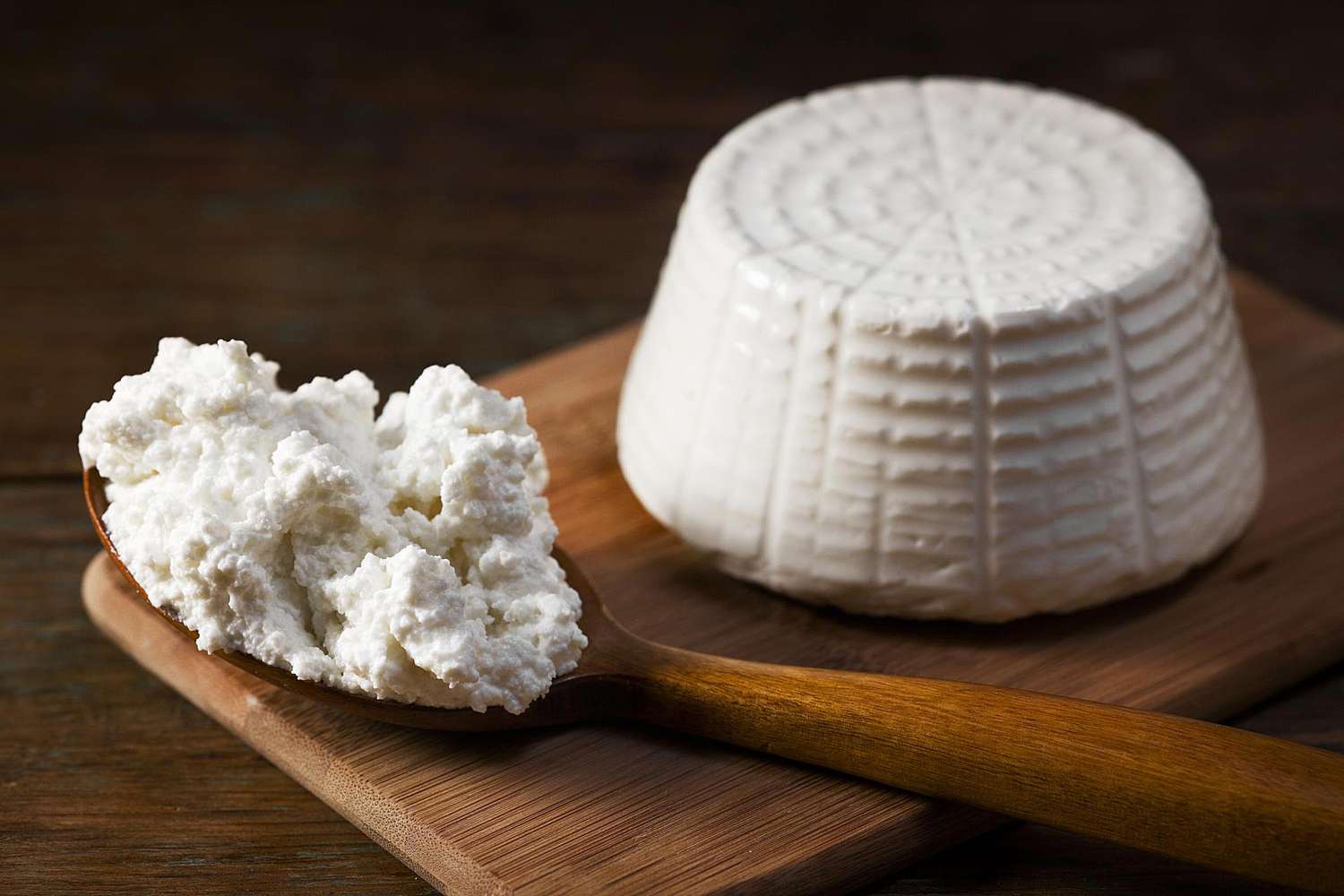
8 Sickened, 1 Dead in Listeria Outbreak Linked to Soft Ricotta Cheese

Kit Redwine
Kit Redwine is a senior technology sales and media professional with over 20 years of experience and holds an MBA. He is skilled in technology sales, creative engagement, and building strategic relationships in multiple industries. His career is dedicated to helping organizations streamline complex project portfolios and improve workflows. He currently researches and writes weekly articles to inform and create awareness of food safety practices to help prevent foodborne illness caused by pathogens such as Salmonella, Listeria, and E. coli.
Related Posts
Add A Comment