

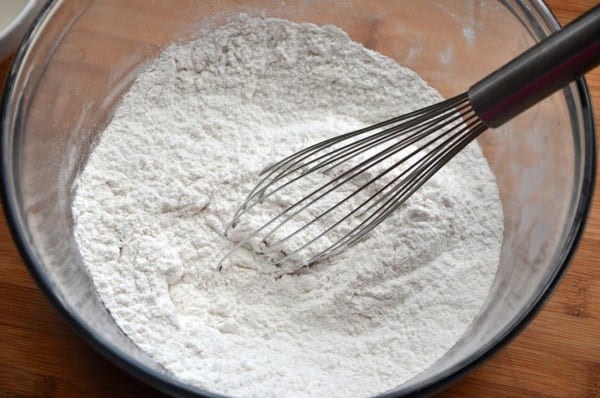

A common ingredient found in most kitchens, raw flour is a key ingredient in many delicious recipes. But, warns the nation’s leading e. coli lawyer, “uncooked flour can harbor harmful bacteria such as Escherichia coli (E. coli) and Salmonella, posing significant health risks to consumers.”
Contrary to popular belief, most flour is typically a raw agricultural product that has not undergone treatment to eliminate pathogens. The milling process, including grinding and bleaching, does not kill these harmful microorganisms, which can taint grain in the field or during flour production.
Multiple outbreaks linked to raw flour or cake mix have made national news in recent years, including incidents in 2016, 2019, 2021, and 2023. Some of these investigations resulted in product recalls, such as the 2019 recall over E. coli-contaminated raw flour from Pillsbury, King Arthur, and Aldi, highlighting the ongoing potential danger of consuming this food.
According to one food safety expert, “Consumers should be aware that flour has a long shelf life, and products purchased even years ago could still pose a risk. We recommend checking for any recalled flour or baking mixes and discarding them immediately.”
Health officials advise against consuming raw dough or batter, regardless of whether it contains eggs, another potential source of foodborne illness. They emphasize that baking or cooking is the only way to effectively eliminate harmful bacteria in flour.
In response to these concerns, some companies have begun producing edible cookie dough and brownie batter using heat-treated flour and pasteurized eggs or egg alternatives. However, consumers are urged to read labels carefully to ensure products are safe for consumption without cooking.
The Centers for Disease Control and Prevention (CDC) has issued guidelines for safely handling raw flour and eggs:
1. Avoid consuming any raw dough or batter
2. Bake all products containing flour thoroughly
3. Follow recipe instructions for temperature and cooking time
4. Keep raw ingredients separate from ready-to-eat foods
5. Wash hands and surfaces after handling raw flour or eggs
Food safety experts stress that while flour is a staple in many households, it’s crucial to treat it with the same caution as other raw ingredients. By following proper handling and cooking procedures, consumers can continue to enjoy baked goods while minimizing the risk of foodborne illness.
Commenting on this story, one national food poisoning lawyer said, “With the holidays approaching, I recommend that consumers follow safe raw flour handling practices. Just wait until it becomes a hot, delicious cookie out of the oven.”
