

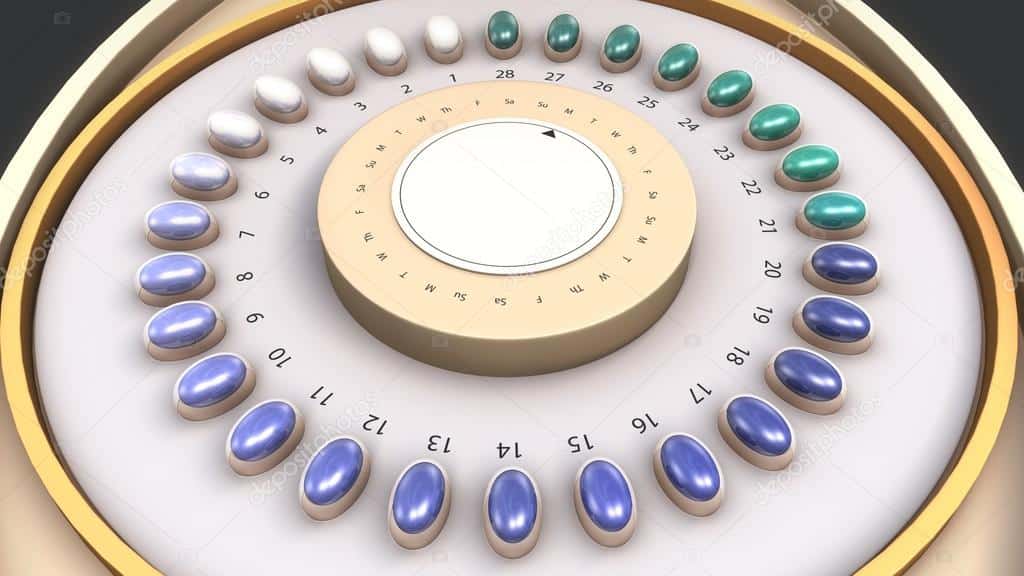

Hormone Replacement Therapy (HRT) is a treatment used to alleviate symptoms associated with hormonal imbalances, particularly those experienced during menopause in women, or to replace hormones in individuals with deficiencies or imbalances due to conditions such as hypothyroidism, menopause, or gender dysphoria. This therapy involves the administration of synthetic hormones, which are designed to supplement or replace the body’s natural hormone levels. HRT is generally prescribed to manage symptoms such as hot flashes, night sweats, and vaginal dryness, and it is also used for a variety of other medical purposes. However, like any medical treatment, HRT carries both benefits and risks, and the decision to pursue this therapy requires careful consideration of both factors.
What are the pros and cons of Hormone Replacement Therapy (HRT)? According to Anthony Coveny, a food safety lawyer, “its uses, benefits, risks, and its role in the management of different medical conditions is enough to fill up books. In the end, with proper medical supervision, HRT can be a life-changing treatment for many, so long as people understand the significant risks it poses, particularly when used long-term or in certain populations.”
Overview of Hormone Replacement Therapy
Hormone Replacement Therapy is most commonly associated with the treatment of symptoms caused by menopause in women. During menopause, a woman’s ovaries gradually stop producing estrogen and progesterone, which can lead to symptoms such as hot flashes, night sweats, mood swings, and vaginal dryness. In response to these symptoms, HRT is used to replace the estrogen (and sometimes progesterone) that the body no longer produces in sufficient quantities. There are various forms of HRT available, including:
- Estrogen-only therapy (used primarily in women who have had a hysterectomy)
- Combined estrogen and progesterone therapy (for women with an intact uterus, as progesterone helps protect against endometrial cancer)
- Bioidentical hormones (hormones that are chemically identical to those the human body produces)
- Testosterone therapy (sometimes used for women experiencing low libido and other symptoms of hormonal imbalance)
- Transdermal HRT (patches, gels, or sprays that release hormones through the skin)
Additionally, HRT is used in other contexts, such as for transgender individuals undergoing gender-affirming hormone therapy and in the treatment of hypothyroidism, where thyroid hormone replacements are necessary.
The Pros of Hormone Replacement Therapy
1. Alleviation of Menopausal Symptoms
The most well-known benefit of HRT is its ability to provide relief from the symptoms of menopause. Hot flashes, night sweats, mood swings, and vaginal dryness are some of the most common symptoms experienced by women during menopause. HRT can help to reduce the frequency and intensity of hot flashes and night sweats, allowing women to experience improved comfort and quality of life.
Estrogen therapy is particularly effective in reducing hot flashes. Estrogen helps regulate the body’s temperature control mechanisms, and as its levels fall during menopause, women can experience temperature fluctuations that cause discomfort. By restoring estrogen levels, HRT can alleviate these symptoms.
2. Prevention of Osteoporosis and Bone Fractures
Another significant benefit of HRT is its ability to prevent the development of osteoporosis, a condition where bones become brittle and fragile due to a loss of bone mass. Estrogen plays a crucial role in maintaining bone density. As women enter menopause and their estrogen levels drop, their risk of developing osteoporosis increases. HRT can help to maintain bone density and reduce the risk of fractures, particularly in postmenopausal women. Several studies have demonstrated that HRT can reduce the risk of hip fractures and other bone-related injuries in women.
3. Improvement in Skin Health
Estrogen has been shown to have beneficial effects on skin elasticity, hydration, and thickness. As women age and enter menopause, the decrease in estrogen can lead to visible signs of aging, such as thinning skin and wrinkles. By replenishing estrogen through HRT, women may experience improvements in skin texture and elasticity. In some cases, HRT has been shown to reduce the appearance of fine lines and wrinkles, providing a more youthful appearance.
4. Cardiovascular Health
Some studies suggest that HRT may have protective effects on cardiovascular health, particularly when started in the early years after menopause. Estrogen has been shown to have beneficial effects on cholesterol levels, reducing LDL cholesterol (the “bad” cholesterol) and increasing HDL cholesterol (the “good” cholesterol). Additionally, estrogen may help maintain the health of blood vessels, preventing the thickening of arterial walls and reducing the risk of atherosclerosis (plaque buildup in the arteries).
5. Mental Health and Cognitive Function
HRT has been shown to have positive effects on mood and mental well-being. Many women report experiencing mood swings, irritability, and even depression during menopause, and HRT may help alleviate these symptoms. Estrogen is known to have neuroprotective effects, which can benefit cognitive function and memory. There is some evidence that HRT may reduce the risk of developing Alzheimer’s disease and dementia when used early in postmenopausal years.
6. Relief from Genitourinary Symptoms
The decline in estrogen levels during menopause can also lead to genitourinary symptoms such as vaginal dryness, painful intercourse, urinary incontinence, and increased susceptibility to urinary tract infections. HRT can significantly reduce vaginal dryness and improve sexual function by restoring moisture and elasticity to the vaginal tissues. This can lead to better sexual health and improved quality of life.
The Cons of Hormone Replacement Therapy
1. Increased Risk of Breast Cancer
One of the most significant concerns associated with HRT, particularly combined estrogen and progesterone therapy, is its potential to increase the risk of breast cancer. Long-term use of HRT, especially when estrogen and progesterone are used together, has been linked to an increased risk of developing breast cancer. This risk appears to increase with the duration of HRT use. While estrogen-only therapy does not seem to carry the same breast cancer risk, women with an intact uterus are generally prescribed a combination of estrogen and progesterone.
A large study, the Women’s Health Initiative (WHI), found that women who took combined estrogen and progesterone therapy had a higher risk of breast cancer compared to those who took a placebo. This increased risk has led many women to reconsider or discontinue HRT, especially those with a family history of breast cancer.
2. Increased Risk of Blood Clots
Another major risk associated with HRT, especially when taken in oral form, is an increased risk of blood clots. This can lead to serious conditions such as deep vein thrombosis (DVT), pulmonary embolism (a blood clot in the lungs), and stroke. Estrogen can increase the blood’s clotting ability, and combined with other risk factors such as obesity, smoking, or a family history of clotting disorders, the risk of blood clots can be significantly elevated.
Transdermal HRT (e.g., patches or gels) may carry a lower risk of blood clots compared to oral forms, as it bypasses the digestive system and does not affect clotting factors in the same way.
3. Increased Risk of Stroke and Heart Disease
There is evidence suggesting that long-term use of HRT may increase the risk of stroke, particularly when initiated in older women, such as those well beyond the age of menopause. The risk is thought to be higher with oral HRT formulations compared to transdermal ones. Additionally, some studies have suggested a link between HRT and an increased risk of cardiovascular events such as heart attacks, particularly when the therapy is started later in life (more than 10 years after menopause). However, the effects of HRT on heart health are still debated, with some studies suggesting a possible protective effect if started early in menopause.
4. Potential Side Effects
Some women experience side effects from HRT, which can include headaches, nausea, bloating, weight gain, breast tenderness, and mood changes. These side effects may resolve after the body adjusts to the hormones, but they can be bothersome for some women. In addition, long-term use of HRT can increase the risk of gallstones, liver disease, and other issues related to the liver’s ability to process hormones.
5. Not Suitable for All Women
HRT is not suitable for all women, particularly those with a history of certain conditions. For example, women with a history of breast cancer, ovarian cancer, endometrial cancer, or certain types of blood clotting disorders may be advised against using HRT. Women who smoke, are overweight, or have high blood pressure may also face higher risks when using HRT. As such, doctors often assess an individual’s medical history and risk factors before recommending this treatment.
6. Potential Risk for Men
For men undergoing testosterone replacement therapy (TRT), while it can help alleviate symptoms of low testosterone (such as low libido, fatigue, and muscle loss), there are risks associated with its use. High doses of testosterone can lead to sleep apnea, an increased risk of heart disease, liver damage, and other issues. Furthermore, there are concerns regarding the potential for an increased risk of prostate cancer, although more research is needed in this area.
Conclusion
Hormone Replacement Therapy offers significant benefits for individuals suffering from hormone imbalances, particularly during menopause or for those with gender dysphoria. For many women, HRT provides relief from the debilitating symptoms of menopause, helps protect against osteoporosis, improves skin health, and may offer some cardiovascular protection. However, it also carries several risks, including an increased risk of breast cancer, blood clots, stroke, and heart disease. Additionally, not all individuals are suitable candidates for HRT, and it may cause unwanted side effects.
The decision to undergo HRT should be made carefully, in consultation with a healthcare provider, considering the individual’s health profile, family history, and specific symptoms. For some, HRT can be a transformative treatment that improves their quality of life, but for others, the risks may outweigh the benefits. As with any medical treatment, a personalized approach is essential to ensure the best outcomes.
