


The Difference Between Type One and Type Two Diabetes, and Why It Matters
Diabetes mellitus is a chronic condition that affects the way the body regulates blood sugar (glucose), which is essential for energy and proper cellular function. Although often discussed as a single disease, diabetes encompasses multiple types, primarily Type 1 and Type 2, each with distinct causes, characteristics, and treatment approaches. Understanding the differences between these two forms of diabetes is not only medically important but also socially and psychologically relevant. This essay explores the key differences between Type 1 and Type 2 diabetes, why those differences matter in diagnosis and management, and the broader implications for healthcare systems and public awareness.
What Is Diabetes?
To understand the difference between Type 1 and Type 2 diabetes, it’s helpful to begin with a basic explanation of what diabetes is. At its core, diabetes is a metabolic disorder marked by high levels of glucose in the blood. Glucose, derived from the food we eat, is the body’s primary source of energy. Insulin, a hormone produced by the pancreas, allows glucose to enter the body’s cells. When insulin production is inadequate or when the body cannot effectively use the insulin it produces, blood sugar levels remain elevated, leading to hyperglycemia. Long-term hyperglycemia is associated with a range of complications, including nerve damage, kidney disease, cardiovascular issues, and vision loss.
Type 1 Diabetes: An Autoimmune Condition
Type 1 diabetes is an autoimmune disorder, meaning it results from the body’s immune system attacking its own tissues—in this case, the insulin-producing beta cells in the pancreas. This leads to an absolute deficiency of insulin. Type 1 diabetes typically presents in childhood or adolescence, although it can develop at any age. It accounts for approximately 5–10% of all diabetes cases globally.
The onset of Type 1 diabetes is often sudden and can present with symptoms such as extreme thirst, frequent urination, unintended weight loss, fatigue, and blurry vision. Because the body can no longer produce insulin, people with Type 1 diabetes must rely on external insulin for survival, usually administered via injections or an insulin pump. There is currently no cure for Type 1 diabetes, and its exact cause remains unclear. However, a combination of genetic predisposition and environmental triggers, such as viral infections, are believed to play a role.
Type 2 Diabetes: A Metabolic Syndrome
Type 2 diabetes is a progressive metabolic disorder that develops when the body becomes resistant to insulin or when the pancreas cannot produce enough insulin to maintain normal blood sugar levels. It is far more common than Type 1, accounting for approximately 90–95% of all diabetes cases. While Type 2 diabetes used to be known as “adult-onset diabetes,” it is now increasingly diagnosed in children and adolescents, largely due to rising rates of obesity and sedentary lifestyles.
Unlike Type 1 diabetes, the onset of Type 2 diabetes is typically gradual. Many individuals may have the condition for years before being diagnosed. Symptoms are similar to those of Type 1 diabetes but may be less pronounced, including fatigue, increased hunger and thirst, frequent urination, slow-healing wounds, and infections. Risk factors for Type 2 diabetes include age, family history, obesity, poor diet, physical inactivity, and ethnicity.
Management of Type 2 diabetes often begins with lifestyle modifications such as diet, exercise, and weight loss. When these are not sufficient, oral medications or insulin therapy may be introduced. In some cases, Type 2 diabetes can be reversed or placed into remission through significant lifestyle changes.
Why the Difference Matters Clinically
Understanding the difference between Type 1 and Type 2 diabetes is essential for proper diagnosis and treatment. Misdiagnosis can lead to ineffective or even harmful treatment strategies. For instance, if a person with Type 1 diabetes is mistakenly diagnosed with Type 2 and given oral medications rather than insulin, they may experience diabetic ketoacidosis (DKA), a life-threatening condition.
Treatment approaches for the two types differ significantly. Type 1 diabetes necessitates insulin replacement from the outset, while Type 2 diabetes can often be managed through non-pharmacological means initially. Moreover, monitoring requirements, nutritional planning, and complication risks vary depending on the type. Tailoring medical care to the specific type of diabetes not only improves quality of life but can also reduce long-term complications and healthcare costs.
Psychological and Social Implications
The differences between Type 1 and Type 2 diabetes also have profound psychological and social implications. Because Type 2 diabetes is often associated with lifestyle factors, individuals with the condition may face stigma and blame, which can affect their mental health and willingness to seek care. Conversely, people with Type 1 diabetes may feel misunderstood or lumped in with a group whose condition stems from very different causes.
Educational programs often conflate the two types, leading to confusion among patients, healthcare providers, and the general public. This can result in misinformed judgments and policies that don’t adequately address the needs of both groups. For instance, public health campaigns aimed at reducing sugar intake or promoting exercise may be beneficial for Type 2 diabetes prevention but are irrelevant for Type 1, which is not preventable.
Children with Type 1 diabetes may struggle with the psychological burden of managing a complex disease while feeling different from their peers. Adults with Type 2 diabetes, meanwhile, may deal with feelings of guilt or shame, especially if they believe their condition was entirely preventable. Recognizing and addressing these emotional dimensions is a crucial part of comprehensive diabetes care.
Complications and Comorbidities
Both types of diabetes can lead to serious complications if not managed effectively. Chronic high blood sugar levels can damage blood vessels, nerves, and organs over time. However, the risk profiles and progression of complications may differ slightly between the two types. For example, people with Type 2 diabetes are more likely to be obese and may also suffer from comorbid conditions like hypertension and dyslipidemia, which compound cardiovascular risk.
Type 1 diabetes, often diagnosed at a younger age, means individuals live longer with the disease and may experience complications earlier in life. The intensive insulin management required also brings its own risks, including hypoglycemia (low blood sugar), which can be acutely dangerous and psychologically taxing.
[Note: Is food poisoning a greater concern for diabetics?]
Prevention and Public Health
Another important distinction between Type 1 and Type 2 diabetes lies in prevention. Type 1 diabetes cannot currently be prevented. Efforts are underway to identify environmental triggers and genetic markers that could help in early detection or prevention, but as of now, it remains an unpredictable condition.
Type 2 diabetes, on the other hand, is largely preventable through lifestyle changes. Regular physical activity, a healthy diet, weight management, and avoidance of tobacco use are all effective strategies for reducing the risk of developing Type 2 diabetes. Public health initiatives around the world focus heavily on these areas, often targeting at-risk populations through educational programs and community interventions.
By understanding the preventable nature of Type 2 diabetes, societies can work toward reducing its incidence, thereby easing the burden on healthcare systems. In contrast, for Type 1 diabetes, the focus remains on early diagnosis, effective management, and research into potential cures.
Technological and Scientific Advances
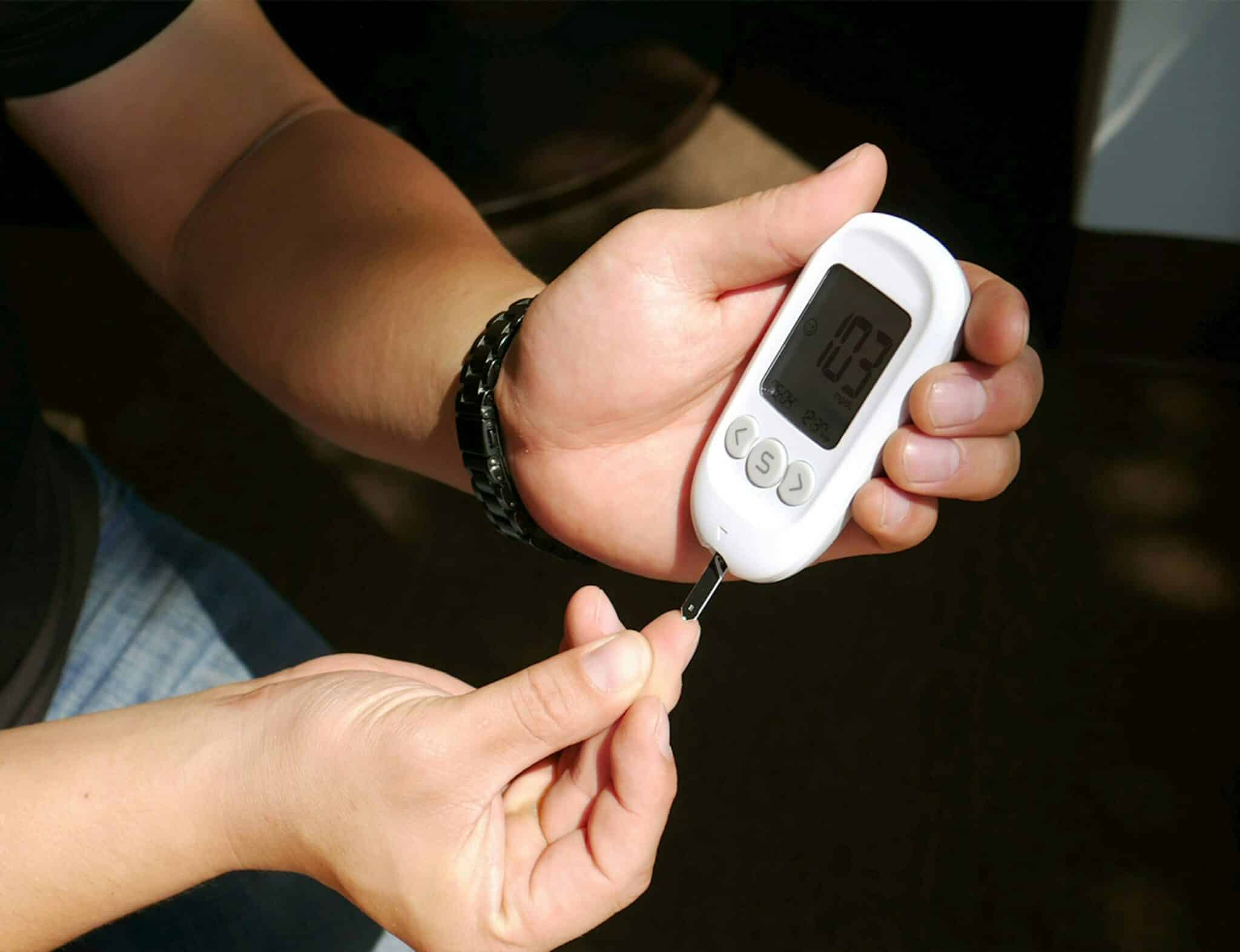
Recent advances in technology have improved the quality of life for people with both Type 1 and Type 2 diabetes. Continuous glucose monitors (CGMs), insulin pumps, and smart insulin pens are becoming more accessible and can help patients maintain tighter glucose control. These tools are particularly important for individuals with Type 1 diabetes, who must closely monitor their glucose levels throughout the day.
In the realm of Type 2 diabetes, medications have evolved to not only control blood sugar but also address other concerns such as cardiovascular health and weight management. Drugs like GLP-1 receptor agonists and SGLT2 inhibitors represent a new generation of treatments that offer multiple benefits beyond glucose control.
Ongoing research continues to explore novel therapies for both types of diabetes, including immunotherapies for Type 1 and personalized medicine for Type 2, aiming to match treatments to an individual’s genetic and lifestyle profile.
Policy and Healthcare Access
From a policy perspective, distinguishing between Type 1 and Type 2 diabetes has major implications. Healthcare funding, insurance coverage, and resource allocation must take into account the differing needs of these populations. For instance, insulin affordability is a pressing issue for individuals with Type 1 diabetes, who depend on it to survive. Meanwhile, those with Type 2 may face challenges accessing nutrition counseling, fitness programs, or newer medications.
Insurance plans and national healthcare systems must be designed to support both types of diabetes equitably while recognizing their unique challenges. Policymakers also need to consider the cost-effectiveness of preventive care programs for Type 2 diabetes, which can reduce the long-term financial burden on public health systems.
Conclusion: Bridging the Knowledge Gap
The difference between Type 1 and Type 2 diabetes is not merely academic—it influences diagnosis, treatment, public perception, and healthcare policy. Recognizing these distinctions can improve medical outcomes, reduce stigma, and lead to more effective healthcare strategies. While both conditions share the common feature of elevated blood glucose levels, their causes, management, and implications differ profoundly.
Increased public awareness and more nuanced educational campaigns can help bridge the knowledge gap that currently exists between these two forms of diabetes. By doing so, we can foster a more informed and empathetic society that supports all individuals living with diabetes, regardless of type.
